Blocked Drain Backing Up? Fixes & Prevention
By The FixDelivered Team · Updated 2026-08-06 · 8 min read
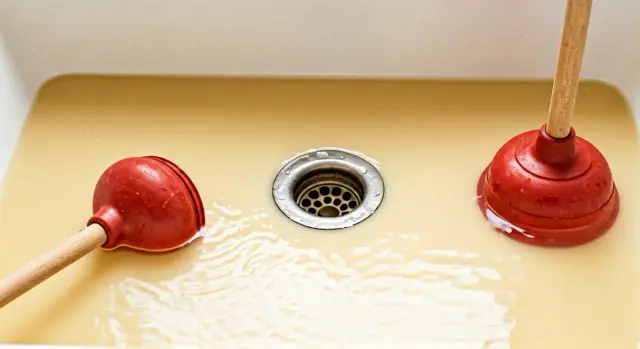
A blocked drain backing up into your sink, shower, or toilet is not just unpleasant; it's a genuine plumbing emergency that requires immediate attention. Ignoring it can lead to unsanitary conditions, potential water damage, and costly repairs. This guide will walk you through safe, effective DIY steps you can take, explain when it's crucial to call a professional, and offer advice on preventing future blockages.
Immediate Steps for a Backed-Up Drain
When you first notice a drain backing up, your immediate actions can significantly impact the outcome. Always prioritise safety and avoid using harsh chemicals that can worsen the situation or pose health risks.
1. Stop Using Water Immediately
The first and most critical step is to stop using any water fixtures connected to the affected drain. This includes flushing toilets, running taps, or using washing machines and dishwashers. Continuing to add water will only exacerbate the backup and potentially lead to overflowing.
2. Assess the Situation and Gather Tools
Identify which fixtures are affected. Is it just one sink, or are multiple drains (e.g., sink, toilet, shower) backing up? Multiple affected drains often indicate a deeper, more significant blockage in your main waste pipe or external drainage system. Before you start, gather:
- Rubber gloves: For hygiene and protection.
- Old towels or rags: To clean up spills and protect surfaces.
- A bucket or bowl: To catch any overflowing water.
- A plunger: A heavy-duty cup plunger for sinks/showers, or a flange plunger for toilets.
- A flashlight: To inspect drains.
3. Try a Plunger
A plunger is often the most effective first line of defence for minor blockages. Ensure you use the correct type for the fixture.
- Create a Seal: For sinks and baths, remove any strainers and ensure there's enough water to cover the plunger's rubber cup. If you have a double sink, block the other drain with a wet cloth to create a vacuum.
- Plunge Firmly: Place the plunger over the drain opening, creating a tight seal. Push down and pull up vigorously 10-15 times without breaking the seal.
- Check for Drainage: Remove the plunger quickly and observe if the water drains. You might need to repeat this process several times.
4. Manual Removal (If Visible)
For sinks and showers, hair, soap scum, and food debris are common culprits. If you can see the blockage, you might be able to remove it manually.
- Remove Drain Cover: Carefully remove the drain cover or plug.
- Use Pliers or Tweezers: With gloves on, use a pair of long-nosed pliers or tweezers to pull out any visible hair, grease, or foreign objects.
- Inspect the P-Trap: For sink blockages, the U-shaped pipe directly under the sink (the P-trap) is a common collection point. Place a bucket underneath, then carefully loosen the slip nuts on either side of the trap and remove it to clear any debris inside. Reassemble tightly to prevent leaks.
5. Natural Cleaning Agents (Limited Use)
While not as powerful as professional solutions, a mixture of bicarbonate of soda and vinegar can sometimes help with minor, greasy blockages and is safe for pipes.
- Pour Bicarbonate: Pour about half a cup of bicarbonate of soda down the drain.
- Add Vinegar: Follow with half a cup of white vinegar.
- Cover and Wait: Cover the drain with a plug or cloth to contain the chemical reaction. Let it sit for 30 minutes to an hour (or even overnight for stubborn clogs).
- Flush: Flush with hot (not boiling) water.
Caution: Never mix vinegar and bicarbonate of soda with commercial chemical drain cleaners, as this can produce dangerous fumes.
6. Using a Drain Snake or Auger (Caution)
A drain snake (or plumbing auger) is a long, flexible metal cable with a small auger or hook at the end. It can reach deeper into pipes than manual methods.
- Feed the Snake: Carefully feed the snake into the drain opening. If you encounter resistance, gently twist the handle to help the snake navigate bends.
- Reach the Blockage: Once you feel the blockage, twist the snake to hook onto or break up the obstruction.
- Retrieve Slowly: Slowly pull the snake back out, hopefully bringing the blockage with it.
Caution: Using a drain snake incorrectly can scratch or damage pipes, especially older or plastic ones. If you're unsure, it's best to call a professional.
When to Call a Professional Plumber
While DIY methods can resolve many minor blockages, there are clear signs that indicate it's time to call in the experts. Attempting to fix a complex issue yourself can often lead to further damage and higher repair costs.
- Multiple Fixtures Affected: If more than one drain is backing up simultaneously (e.g., toilet and shower, or kitchen sink and washing machine), it usually points to a blockage in the main waste pipe or even the external sewer line, which requires professional equipment.
- Outdoor Drains Blocked: If you notice water pooling around outdoor drains or manholes, the blockage is likely in your property's external drainage system, often caused by tree roots or collapsed pipes.
- Foul Smells Persist: Lingering sewage smells suggest a serious blockage or a problem with your ventilation system.
- DIY Attempts Fail: If plunging, manual removal, or natural cleaners haven't cleared the blockage after a few attempts, the obstruction is likely too stubborn or too deep for DIY solutions.
- Chemical Drain Cleaners Used (and Failed): If you've used chemical drain cleaners and they haven't worked, the drain contains corrosive chemicals, making it hazardous for you to continue DIY work and for a plumber to work on.
- No Visible Cause: If drains are backing up without any obvious cause, there might be a structural issue with your pipes.
If you've tried the DIY methods without success, or if the blockage seems more severe, it's time to call in the experts. For a reliable, local plumber, you can find emergency plumbers near you quickly through FixDelivered.
Professional Drain Unblocking Solutions
Qualified plumbers have access to specialised tools and expertise to tackle even the most stubborn blockages.
High-Pressure Water Jetting
This is one of the most effective methods for clearing severe blockages. A powerful stream of water is propelled into the drain, scouring the pipe walls and flushing away grease, scale, tree roots, and other debris. It's excellent for clearing main sewer lines.
Electro-Mechanical Cleaning (Drain Snaking)
Professional drain snakes are much more robust and longer than DIY versions, capable of reaching deep into pipes and cutting through tough obstructions like tree roots or hardened grease.
CCTV Drain Surveys
For persistent or mysterious blockages, plumbers can use small cameras to inspect the inside of your pipes. This helps them accurately diagnose the cause and location of the blockage, as well as identify any structural damage like cracks or collapses.
How Much Does Professional Drain Unblocking Cost in 2026?
The cost of unblocking a drain in the UK can vary significantly based on the severity of the blockage, its location (internal vs. external), the time of day (emergency call-out vs. standard hours), and your geographical location. As a rough guide for 2026:
- Standard Internal Blockage (e.g., sink, toilet): Typically ranges from £120 to £250.
- More Complex Internal Blockage (e.g., multiple fixtures, use of a power snake): Could be £180 to £350.
- External Drain Blockage (e.g., main sewer line, requiring jetting or CCTV): Costs can start from £250 and go up to £500+, depending on accessibility and the extent of the work.
- Emergency Call-Outs: Expect to pay a premium for out-of-hours service, often an additional £50-£100 on top of the standard rate.
These figures include the plumber's call-out fee and typically cover up to an hour or two of work. With FixDelivered, the plumber's callout fee is agreed upfront and paid directly to them, ensuring transparency. Learn more about how FixDelivered works.
Preventing Future Drain Backups
Prevention is always better (and cheaper) than a cure. Adopting good habits can significantly reduce your risk of future drain blockages:
- Don't Pour Grease or Oil Down Drains: Allow cooking fats to cool and solidify, then scrape them into the bin. Grease hardens in pipes and attracts other debris, forming stubborn blockages.
- Use Drain Strainers: Place strainers in all sinks and shower drains to catch hair, food particles, and soap scum before they enter your pipes.
- Only Flush the 3 Ps: Only flush pee, poo, and (toilet) paper down the toilet. Wipes (even 'flushable' ones), sanitary products, cotton wool, and dental floss should always go in the bin.
- Regular Flushing: Periodically flush drains with hot water, perhaps once a week, to help clear minor build-ups.
- Bicarbonate and Vinegar Maintenance: A monthly treatment with bicarbonate of soda and vinegar (as described above) can help keep drains fresh and clear.
- Be Mindful of Tree Roots: If you have large trees near your property's external drains, their roots can infiltrate pipes. Regular professional inspections might be advisable.
A blocked drain backing up is a major inconvenience, but by following these steps, you can often resolve minor issues yourself or know when to call in professional help. Addressing the problem quickly not only restores your plumbing but also prevents more extensive and costly damage.
If you're facing a stubborn blocked drain and need expert help fast, tell us your emergency on FixDelivered to connect with qualified local plumbers. You can also explore our plumbing emergency guides for more helpful advice.
Frequently asked questions
What causes a drain to back up?
Drains typically back up due to an obstruction in the pipe. Common causes include accumulated hair, soap scum, grease and food particles, foreign objects (like 'flushable' wipes), mineral build-up, or even tree roots invading outdoor pipes.
Can I use chemical drain cleaners for a backed-up drain?
While chemical drain cleaners are available, they are generally not recommended for backed-up drains. They can be highly corrosive, damage pipes, and pose significant health risks if used incorrectly or if they don't clear the blockage and a plumber needs to intervene. Natural alternatives like bicarbonate of soda and vinegar are safer, though less powerful.
How long does it take to unblock a drain professionally?
The time taken to unblock a drain varies. Simple internal blockages might take a plumber 30 minutes to an hour. More complex issues involving main sewer lines, stubborn roots, or the need for CCTV surveys and jetting could take several hours.
Is a blocked drain backing up an emergency?
Yes, a blocked drain backing up is considered a plumbing emergency, especially if it affects multiple fixtures, causes foul odours, or poses a risk of water damage or unsanitary conditions. Prompt action is crucial to prevent further problems.
Who is responsible for a blocked drain – tenant, landlord, or council?
Responsibility typically depends on the location and cause of the blockage. For internal drains within your property, a tenant might be responsible for blockages caused by misuse (e.g., flushing inappropriate items), while a landlord is usually responsible for issues due to wear and tear or structural defects. Blockages in the public sewer system are the responsibility of the local water authority or council.
Need a plumber now? Tell us your emergency and FixDelivered will find and confirm an available local plumber near you, usually within the hour.
Written by the FixDelivered Team. Reviewed by Rupert Lowe, Editor. Last updated 2026-08-06.