Boiler Not Working? Emergency or DIY Fix for 2026
By The FixDelivered Team · Updated 2026-08-04 · 6 min read
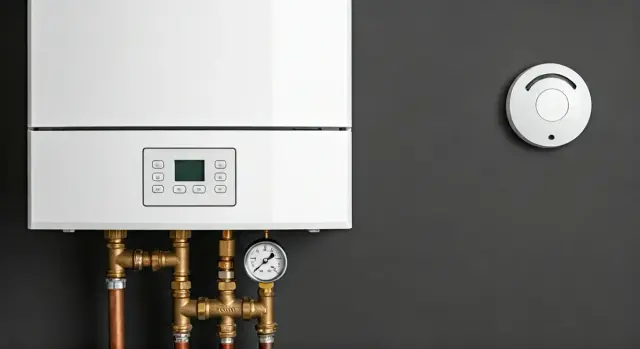
A boiler breakdown is never convenient, especially during colder months. When your heating or hot water stops working, the immediate question is often: Is this an emergency, or can I fix it myself? This guide will help you safely diagnose common boiler problems, understand when to call a professional, and what simple checks you can perform to get things running again.
When is a Boiler Breakdown an Emergency?
Some boiler issues pose immediate risks to your safety or property and require urgent professional attention. It's crucial to act quickly if you encounter any of these:
- Suspected Gas Leak: If you smell rotten eggs or sulphur, hear a hissing sound near the boiler, or feel unwell with symptoms like dizziness or nausea, you might have a gas leak. Immediately: turn off your gas supply at the meter, open all windows and doors, evacuate the property, and call the National Gas Emergency Service (0800 111999) and a Gas Safe registered plumber. Do not use electrical switches or light anything.
- Carbon Monoxide Alarm Activation: If your carbon monoxide alarm sounds, immediately: open windows and doors, evacuate the property, and call the National Gas Emergency Service. Carbon monoxide is colourless and odourless but deadly.
- Significant Water Leak: A gushing or steady stream of water from your boiler can cause serious damage to your property and potentially create an electrical hazard. Immediately: turn off the water supply to your boiler (usually via a small valve on the pipework) and switch off the electricity supply to the boiler at your fuse box. Then call an emergency plumber near you.
- No Heating or Hot Water with Vulnerable Residents: If your boiler completely fails and you have elderly, very young, or seriously ill individuals in your household, a prolonged lack of heating or hot water can become a health emergency. This warrants an urgent call to a Gas Safe engineer.
Safe DIY Checks for a Non-Emergency Boiler
If your boiler isn't showing any of the emergency signs above, there are a few safe, external checks you can perform. Never attempt to open the boiler casing or tamper with internal components – this is dangerous and must only be done by a Gas Safe registered engineer.
Tools You Might Need:
- A torch
- A screwdriver (for fuse box access)
- An old towel or small bucket
1. Check the Power Supply
- Is the Boiler Plugged In? Sounds simple, but sometimes a plug can work loose.
- Check the Fuse/Switch: Ensure the boiler's dedicated fuse switch on your consumer unit (fuse box) hasn't tripped to the 'off' position. If it has, switch it back on.
- Test Other Appliances: If other electrical items in your home are also not working, you might have a wider power cut or a tripped RCD (Residual Current Device) for your entire property.
When to call a professional: If the fuse repeatedly trips or the boiler fails to power on after checking the supply, there could be an internal electrical fault.
2. Check Your Boiler Pressure
- Locate the Pressure Gauge: Most modern boilers have a visible pressure gauge, often a needle or digital display. For central heating systems, it should typically read between 1 and 1.5 bar when the system is cold.
- Low Pressure: If the pressure is below 1 bar, your boiler may have shut down as a safety measure. You can usually repressurise your boiler yourself using the external filling loop, following your boiler's manual. This typically involves opening two small taps on the filling loop until the pressure reaches 1.5 bar, then closing them tightly.
- High Pressure: If the pressure is consistently above 2.5-3 bar, it could indicate a fault with the pressure relief valve or expansion vessel.
When to call a professional: If you're unsure how to repressurise, the pressure drops frequently (indicating a leak somewhere), or the pressure is consistently too high.
3. Review Thermostat and Programmer Settings
- Check the Thermostat: Ensure your room thermostat is set to 'heating' mode and the desired temperature is higher than the current room temperature.
- Check the Programmer: Verify that your boiler programmer (timer) is set correctly for your heating and hot water to come on at the desired times.
- Wireless Thermostat Batteries: If you have a wireless thermostat, check if the batteries need replacing.
When to call a professional: If all settings appear correct, but the boiler still isn't responding or providing heat/hot water.
4. Thaw a Frozen Condensate Pipe
Condensing boilers produce a small amount of acidic water (condensate) that drains away through a plastic pipe, often routed outside. In freezing weather, this pipe can freeze, causing the boiler to shut down.
- Locate the Pipe: It's usually a white or grey plastic pipe, about 2-3cm in diameter, leaving the boiler and heading outdoors.
- Look for an Ice Blockage: The blockage is often at the most exposed point, like the end of the pipe or a bend.
- Thaw Carefully: Gently pour warm (not boiling!) water over the frozen section of the pipe. You can also use a hot water bottle or a heat wrap. This can take 5-10 minutes.
When to call a professional: If you cannot safely access the pipe, thawing doesn't resolve the issue, or the problem recurs frequently. A Gas Safe registered plumber can insulate the pipe or reroute it.
Understanding Boiler Error Codes
Most modern boilers display an error code when something is wrong. While this doesn't fix the problem, it can give you a clue. Consult your boiler's instruction manual to understand what a specific code means. Some codes indicate simple issues like low pressure, while others point to more complex internal faults requiring a professional.
The Importance of Professional Help
For any issues beyond these basic external checks, or if you're unsure, it is always safest and legally required to call a Gas Safe registered plumber. Working on gas appliances without proper certification is illegal and extremely dangerous. Gas Safe engineers have the training, tools, and legal authorisation to diagnose and repair boiler faults safely.
Typical Costs (Rough 2026 UK Guide):
- Boiler Service: An annual service typically costs £80-£120.
- Standard Call-Out Fee: For non-emergency repairs during working hours, expect to pay £80-£150 for the initial diagnosis.
- Emergency Call-Out Fee: Out-of-hours or emergency call-outs can range from £150 to £350+, depending on location and time.
- Repair Costs: These vary significantly based on the part and labour. For example, a new pressure relief valve might cost £150-£250, while a new diverter valve could be £200-£350. A new PCB (Printed Circuit Board) can range from £300-£600.
How FixDelivered Can Help
When you need a professional, finding a reliable, qualified emergency plumber near you quickly is crucial. FixDelivered connects you with vetted, Gas Safe registered engineers in your local area. Simply tell us your emergency, and we'll connect you with available plumbers who can address your boiler issue. Our transparent process means the plumber's callout fee is agreed upfront and paid directly to them, and our booking fee is refundable if no plumber is found.
Preventative Maintenance is Key
Many boiler breakdowns can be prevented with regular maintenance. An annual service by a Gas Safe engineer ensures your boiler runs efficiently and safely, identifying potential issues before they become costly emergencies. Regularly checking your boiler pressure and bleeding radiators also contributes to a healthier heating system.
While some minor boiler issues can be resolved with a few simple, safe checks, always prioritise safety. For anything gas-related or complex, trust a Gas Safe registered professional. When you need help, FixDelivered is here to connect you with qualified local plumbers quickly. Discover how FixDelivered works to get your heating and hot water back on track.
Frequently asked questions
How much does an emergency boiler repair cost in the UK?
Emergency boiler repair costs vary, but as a rough 2026 guide, an out-of-hours call-out fee can range from £150 to £350+. This typically covers the initial diagnosis, with parts and additional labour charged on top. Always agree on costs upfront with the Gas Safe engineer.
Can I fix my boiler myself if it stops working?
You can perform safe, external DIY checks like ensuring the power supply is on, checking boiler pressure, or thawing a frozen condensate pipe. However, any work involving opening the boiler casing or tampering with internal components or gas parts must ONLY be done by a Gas Safe registered engineer. Attempting to do so yourself is dangerous and illegal.
What are the first signs of a gas leak from a boiler?
The most common first sign of a gas leak is the distinct smell of rotten eggs or sulphur. You might also hear a faint hissing sound near the boiler. If you suspect a gas leak, immediately turn off your gas supply, open windows and doors, evacuate, and call the National Gas Emergency Service (0800 111999).
How often should I get my boiler serviced?
It is highly recommended to have your boiler serviced annually by a Gas Safe registered engineer. This ensures it runs safely and efficiently, identifies potential issues early, and often keeps your warranty valid.
Need a plumber now? Tell us your emergency and FixDelivered will find and confirm an available local plumber near you, usually within the hour.
Written by the FixDelivered Team. Reviewed by Rupert Lowe, Editor. Last updated 2026-08-04.