Advice & guides › Costs & Pricing
Central Heating Installation Cost UK 2026 Guide
By The FixDelivered Team · Updated 2026-09-09 · 5 min read
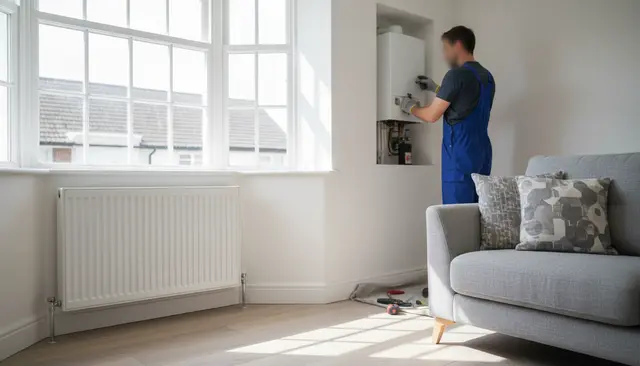
Installing a new central heating system is a significant investment for any UK homeowner, promising warmth, comfort, and often increased property value. However, understanding the true cost to install central heating can be complex, as prices vary widely based on numerous factors. This guide will break down the typical central heating installation cost in the UK for 2026, helping you budget effectively and make informed decisions.
What Influences Central Heating Installation Cost?
The total cost of installing a new central heating system isn't just about the boiler itself. Several key elements contribute to the overall price:
- Property Size and Number of Radiators: Larger homes require more powerful boilers, more radiators, and extensive pipework, all of which increase material and labour costs.
- Boiler Type: The choice between a combi, system, or conventional boiler significantly impacts the initial unit cost and installation complexity.
- Labour Costs: Plumbers' rates vary geographically across the UK, and the duration of the job depends on its complexity.
- Complexity of Installation: Installing a completely new system from scratch (e.g., in an extension or a property without existing heating) is more involved and costly than replacing an old system. This includes running new pipework, fitting radiators, and potentially altering existing plumbing.
- System Components: Beyond the boiler and radiators, costs include thermostats (smart controls can add significantly), thermostatic radiator valves (TRVs), pipework, fittings, and a magnetic filter.
- Flushing and Cleaning: If connecting to an existing system, a power flush might be necessary to clean out sludge and debris, ensuring efficiency but adding to the cost.
- Waste Removal: Disposal of old boilers, radiators, and pipework will also be factored in.
- Location: As with many services, costs can be higher in London and the South East compared to other regions of the UK.
Boiler Types and Their Cost Impact
The boiler is the heart of your central heating system, and its type will be a major cost driver:
Combi Boilers
Combination (combi) boilers are the most popular choice in the UK, providing both heating and hot water directly from the mains. They don't require a hot water cylinder or cold water tank, saving space. They are ideal for smaller to medium-sized homes with one bathroom.
- Unit Cost: Typically £800 - £2,500.
- Installation Cost: £1,000 - £2,000 (often quicker to install if replacing an existing combi).
- Total Estimated Cost: £1,800 - £4,500 (boiler only, excluding full system).
System Boilers
System boilers work with a hot water storage cylinder but don't require a cold water tank. They are great for homes with multiple bathrooms where simultaneous hot water demand is common. The main components are built into the boiler, making installation simpler than conventional boilers.
- Unit Cost: Typically £900 - £3,000.
- Installation Cost: £1,200 - £2,500 (requires cylinder installation).
- Total Estimated Cost: £2,100 - £5,500 (boiler and cylinder, excluding full system).
Conventional (Regular) Boilers
Also known as regular or heat-only boilers, these systems require both a hot water cylinder and a cold water storage tank (usually in the loft). They are common in older properties and suitable for homes with high hot water demand. Replacing a conventional boiler with another conventional boiler can be the most straightforward option in some cases.
- Unit Cost: Typically £700 - £2,000.
- Installation Cost: £1,500 - £3,000 (most complex installation due to tanks).
- Total Estimated Cost: £2,200 - £5,000 (boiler and tanks, excluding full system).
Typical Central Heating Installation Costs 2026 (Full System)
Here's a rough guide to the total central heating installation cost for a complete system, including boiler, radiators, pipework, and labour, based on property size:
- 2-Bedroom House (6-8 Radiators):Estimated Cost: £3,500 - £5,500
- 3-Bedroom House (8-10 Radiators):Estimated Cost: £4,500 - £7,000
- 4-Bedroom House (10-12+ Radiators):Estimated Cost: £5,500 - £8,000+
These figures are for a standard installation, replacing an existing system. A brand-new installation where no pipework or radiators exist will typically be at the higher end of these ranges, or even exceed them, due to the extensive labour involved in routing new pipework, making good plasterwork, and fitting all components from scratch.
Additional Costs to Consider:
- Smart Thermostats: £150 - £400 (e.g., Nest, Hive).
- Power Flushing: £300 - £600 (recommended for older systems).
- Magnetic Filter: £100 - £200 (protects boiler from debris).
- Chemical Inhibitors: £30 - £50 (protects against corrosion).
- Removal of Old Tanks/Boiler: £50 - £150.
When to Call a Professional
Installing a central heating system is a complex and potentially dangerous job that must always be carried out by a qualified professional. Any work involving gas boilers must only be performed by a Gas Safe registered plumber. Attempting DIY installation of a gas appliance is illegal and extremely hazardous due to the risk of gas leaks, carbon monoxide poisoning, and explosions. Even for non-gas elements, the intricacies of pipework, pressure systems, and electrical connections require expert knowledge.
How to Save Money on Central Heating Installation
- Get Multiple Quotes: Always obtain at least three detailed quotes from different reputable installers. This allows you to compare prices, services, and boiler brands.
- Energy Efficiency: Opt for an A-rated boiler and consider smart controls and TRVs. While the upfront cost might be slightly higher, the long-term savings on energy bills can be substantial.
- Off-Peak Installation: Some installers might offer slightly lower rates during their quieter periods, typically in summer.
- Check for Grants: The UK government occasionally offers grants or schemes for energy-efficient home improvements. Check if you are eligible.
- Consider Your Needs: Don't over-specify. A large, powerful boiler might be overkill for a small, well-insulated home, leading to unnecessary expense.
Finding a Qualified Plumber
When you're ready to get quotes for your central heating installation, finding reliable and qualified professionals is paramount. FixDelivered connects you with local, vetted plumbers who can provide expert advice and competitive quotes for central heating installation. You can learn more about how FixDelivered works to quickly find tradespeople in your area.
Conclusion
The cost to install central heating in the UK in 2026 can vary significantly, but by understanding the factors involved – from boiler type and property size to labour and additional components – you can better prepare your budget. Always prioritise safety and professional installation from Gas Safe registered plumbers. For peace of mind and to ensure a safe, efficient installation, consider using FixDelivered to get a plumber now who meets your needs and budget.
Frequently asked questions
How long does central heating installation take?
A complete central heating installation in a typical 3-bedroom house can take anywhere from 3 to 7 days, depending on the complexity of the job, whether it's a full new system or a replacement, and the number of radiators and pipework involved.
Do I need a new boiler with new central heating?
Yes, if you're installing a completely new central heating system, a new boiler is an essential component. If you're upgrading an existing system, you might consider replacing an old, inefficient boiler for better performance and energy savings, even if it's not strictly necessary for the rest of the system.
What's the difference between a combi, system, and conventional boiler?
A combi boiler heats water on demand for both heating and hot water, without tanks. A system boiler works with a hot water cylinder but does not need a cold water tank. A conventional (or regular) boiler requires both a hot water cylinder and a cold water tank, typically in the loft.
Is it worth upgrading my central heating?
Upgrading your central heating can be a worthwhile investment. Modern, A-rated boilers are significantly more energy-efficient, leading to lower energy bills. A new system can also improve comfort, provide more reliable heating, and increase your property's value. If your current system is old, inefficient, or prone to breakdowns, an upgrade is highly recommended.
Need a plumber now? Tell us your emergency and FixDelivered will find and confirm an available local plumber near you, usually within the hour.
Written by the FixDelivered Team. Reviewed by Rupert Lowe, Editor. Last updated 2026-09-09.