Find & Turn Off Your Stopcock in a Water Emergency
By The FixDelivered Team · Updated 2026-08-08 · 6 min read
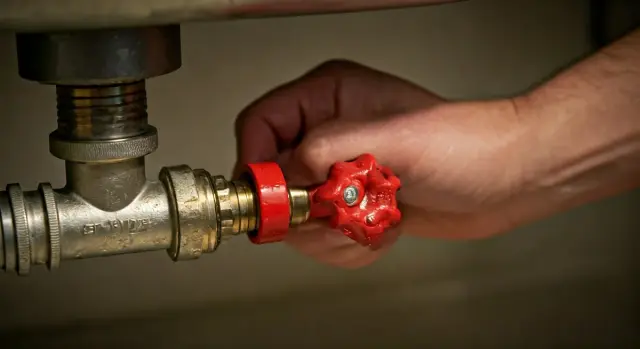
A burst pipe or a major leak can cause significant damage to your home in minutes. Knowing how to quickly locate and turn off your main water supply via the stopcock is one of the most crucial pieces of homeowner knowledge you can possess. This guide will help you identify, locate, and safely operate your stopcock in an emergency.
What is a Stopcock and Why is it Important?
The stopcock, also known as a stop tap or main water shut-off valve, controls the flow of all incoming mains water to your property. Turning it off cuts the entire water supply to your house. This is critical in several situations:
- Burst Pipes: Stops the flow of water immediately, preventing extensive flooding and structural damage.
- Major Leaks: Minimises water waste and damage from significant leaks in pipes, appliances, or fixtures.
- Plumbing Repairs: Essential before undertaking any plumbing work that requires the water supply to be off.
Where to Find Your Internal Stopcock
Your internal stopcock is typically found where the main water supply pipe enters your property. In most UK homes, common locations include:
- Under the Kitchen Sink: This is the most frequent location. Look inside the cupboard, usually at the back or side, where pipes enter.
- Utility Room: Often located near the washing machine or other water-fed appliances.
- Downstairs Toilet or Cloakroom: Sometimes found behind the toilet or within a nearby cupboard.
- Under the Stairs: In a cupboard or access panel beneath the staircase.
- Garage: If your garage is attached to your home, the stopcock might be on the wall where the pipe enters.
- Near the Boiler: While less common as the primary stopcock, some properties might have a valve here that controls the incoming mains water to the heating system.
Your stopcock usually looks like a brass valve with a small lever, a wheel handle (which might be red or blue), or a simple spindle that you turn. It will be on the thickest pipe entering your home.
The External Stopcock (Pavement Stopcock)
Outside your property, usually at the boundary with the public footpath or in your front garden, you'll find an external stopcock. This valve controls the water supply to your entire property from the mains network. It's typically located within a small, covered access chamber in the ground.
Important Note: While you can technically operate this, it's typically the responsibility of your local water authority. Tampering with it might cause issues or damage, and it's best to call your water company if you need this turned off, unless it's a critical emergency and you cannot access your internal stopcock. If you do need to use it, you'll generally require a special stopcock key to reach and turn the valve, as it’s often deep underground.
How to Turn Off Your Stopcock in an Emergency: A Step-by-Step DIY Guide
Tools You Might Need:
- Stopcock Key: Essential for older or seized stopcocks, or for reaching external ones.
- Adjustable Spanner: Useful for stopcocks with hexagonal spindles instead of handles.
- Old Towels and a Bucket: To catch any drips or minor leaks during operation.
- Torch or Phone Light: For visibility in dark spaces.
- Phone: To call for help if needed.
Step-by-Step Instructions:
- Stay Calm & Locate: In an emergency, panic can set in. Take a deep breath and quickly locate your internal stopcock using the common locations listed above. If you absolutely cannot find it, or it's inaccessible, then consider trying the external stopcock.
- Clear the Area: Ensure you have enough space to work. Remove any items from the cupboard or area around the stopcock.
- Prepare for Water: Place old towels and a bucket directly underneath the stopcock. Even a properly working stopcock might drip a little when turned, and in an emergency, you want to minimise any further mess.
- Turn Clockwise: Rotate the stopcock handle or wheel clockwise until it feels tight and can no longer turn. For older, stiff valves, a stopcock key can provide extra leverage. Never force it excessively, as this can cause it to break or leak.
- Check Water Flow: Turn on a cold tap, preferably downstairs, to check if the water supply has been cut. The water should quickly slow to a trickle and then stop completely.
- Drain System: Once the main supply is off, open all cold taps in the house (starting with the lowest ones) to drain any remaining water from the pipes. This reduces pressure in the system and minimises further leakage from the source of the problem.
Safety Cautions:
- Do Not Overtighten: Applying too much force can damage the stopcock, leading to a new leak or making it impossible to turn back on.
- Electrical Hazards: If the leak is near electrical sockets or appliances, turn off the power at your main consumer unit (fuse box) before approaching the water source to avoid electric shock.
- Beware of Hot Water: Remember that turning off the main stopcock only affects the cold water supply. Your hot water cylinder or boiler will still contain hot water.
When to Call a Professional
If you cannot locate your stopcock, it's seized and won't turn, or it starts leaking when you try to operate it, it's time to call in an expert. Don't hesitate to find a local plumber through FixDelivered. They can quickly address the issue and prevent further damage, often having specialist tools to free or replace a faulty stopcock.
After Turning Off the Water
With the water supply secured, your next step is to address the source of the leak. For immediate assistance, you can tell us your emergency and get connected with a qualified professional.
How to Turn Your Water Back On:
Once the repair is complete, or your plumber instructs you to, you can turn the water back on. Do this slowly:
- Ensure all taps in the house are closed, except for one lowest cold tap (e.g., downstairs bathroom sink).
- Slowly turn the stopcock anti-clockwise to open it. You'll hear the pipes refill.
- Once water starts flowing steadily from the open tap, close it.
- Gradually open other taps around the house, starting from the lowest floor and working your way up, to release any trapped air from the system.
Dealing with a water emergency is stressful, but knowing how to quickly turn off your stopcock can save you time, money, and significant property damage. If you need help finding or operating your stopcock, or if you're facing any plumbing emergency, FixDelivered connects you with qualified local plumbers fast. Learn more about how FixDelivered works and get expert help when you need it most. You can also explore our plumbing emergency guides for more helpful advice.
Frequently asked questions
What is the purpose of a stopcock?
The stopcock (or stop tap) is the main valve that controls the flow of all incoming mains water into your property. Turning it off stops the water supply, preventing flooding and damage during a leak or burst pipe.
Where is my internal stopcock usually located?
In most UK homes, the internal stopcock is commonly found under the kitchen sink. Other typical locations include utility rooms, downstairs toilets, under the stairs, in a garage, or near the boiler.
What should I do if my stopcock is seized or won't turn?
If your stopcock is seized, stiff, or starts leaking when you try to turn it, do not force it. Applying excessive force can damage it further. It's best to call a professional plumber who has the correct tools and expertise to free or replace it safely.
Can I turn off the external stopcock myself?
While you technically can, the external stopcock (pavement stopcock) is typically the responsibility of your local water company. It's usually best to contact them if you need it turned off. Only use it yourself in a critical emergency if you cannot access your internal stopcock, and ensure you have the correct stopcock key to avoid damage.
Need a plumber now? Tell us your emergency and FixDelivered will find and confirm an available local plumber near you, usually within the hour.
Written by the FixDelivered Team. Reviewed by Rupert Lowe, Editor. Last updated 2026-08-08.