Fix a Dripping Tap: DIY Washer Replacement
By The FixDelivered Team · Updated 2026-08-08 · 6 min read
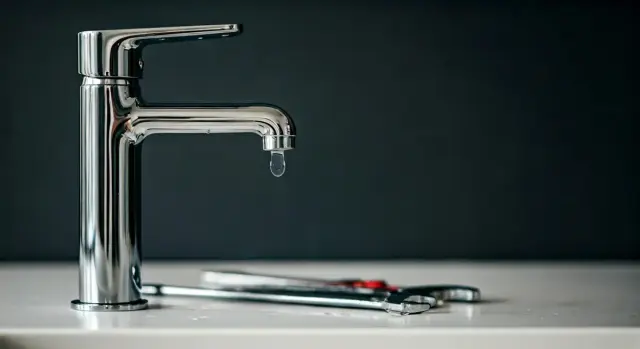
A dripping tap is more than just an irritating sound; it's a constant waste of water and money. Over time, even a slow drip can add up to hundreds of litres, impacting your utility bills and the environment. Fortunately, in most cases, fixing a dripping tap is a straightforward DIY task that involves replacing a worn-out washer.
Why Do Taps Drip?
Most common household taps, especially older compression types, drip due to a worn-out or perished rubber washer. This small component sits at the base of the tap's spindle and creates a watertight seal when the tap is turned off. Over time, constant pressure and wear cause the washer to harden, crack, or lose its shape, preventing it from sealing properly. While other issues like faulty O-rings or a damaged ceramic cartridge can also cause leaks, a washer replacement is the most frequent and easiest fix for a dripping spout.
What You'll Need: Tools and Materials
Before you start, gather these essential tools and materials:
- Adjustable Spanner: For loosening and tightening nuts.
- Screwdriver Set: Flat-head and Phillips, depending on your tap's handle screws.
- Replacement Washers: It's wise to have a selection of common sizes or take the old one to a hardware shop for an exact match.
- PTFE Tape (optional but recommended): For sealing threads during reassembly.
- Penetrating Oil (optional): If parts are seized.
- Old Cloths/Rags: To protect surfaces and clean up spills.
- Bucket or Bowl: To catch any residual water.
- Protective Gloves: To keep hands clean and prevent minor scrapes.
Safety First! Important Precautions
Always prioritise safety when undertaking any DIY plumbing work:
- Turn Off the Water Supply: This is the most crucial step. Failure to do so will result in a flood.
- Protect Surfaces: Place old towels or cloths in the sink and on any surrounding surfaces to prevent scratches or water damage.
- Beware of Hot Water: If working on a hot tap, be aware that residual hot water might be present.
- Don't Overtighten: When reassembling, tighten components firmly but avoid excessive force, which can strip threads or crack ceramic.
Step-by-Step Guide: How to Fix a Dripping Tap
Step 1: Turn Off the Water Supply
Locate the isolation valves directly beneath the sink for the specific tap you're working on. These usually have a small lever or a slotted screw that you can turn a quarter-turn to shut off the water. If your tap doesn't have isolation valves, you'll need to turn off the main stopcock for your property. This is typically found under the kitchen sink, in a downstairs toilet, or near where the water pipe enters your home.
Step 2: Drain the Tap
Once the water supply is off, open both the hot and cold taps fully to release any remaining water pressure and drain residual water from the spout. Place your bucket underneath to catch any drips.
Step 3: Access the Tap Mechanism
This step varies slightly depending on your tap's style:
- Remove the Decorative Cap: Many taps have a small, coloured cap (often red for hot, blue for cold) on top of the handle. Carefully prise this off with a flat-head screwdriver or a thin knife.
- Unscrew the Handle: Underneath the cap, you'll find a screw (usually Phillips or flat-head). Unscrew this and lift the tap handle off.
- Remove the Shroud/Cover: Some taps have a decorative shroud or cover that sits over the tap body. This might simply lift off or be held by a small grub screw on the side (which you'll need an Allen key for).
- Unscrew the Tap Headgear/Spindle: You should now see the main brass or chrome component that the handle was attached to. This is the headgear or spindle. Using your adjustable spanner, carefully loosen and unscrew this part by turning it anti-clockwise. It might be stiff, so apply steady pressure. If it's very stiff, a small amount of penetrating oil left for a few minutes can help.
Step 4: Replace the Washer
Once the headgear/spindle is removed, you'll typically see the rubber washer at its base, held in place by a small screw or simply pushed into a recess. Remove the old, worn washer. Clean any sediment or limescale from the spindle and the tap body where the washer sits. Insert the new washer, ensuring it sits correctly and is the right size. If there are O-rings around the spindle, inspect them for wear and replace them if necessary.
Step 5: Reassemble the Tap
Carefully reverse the disassembly steps:
- Screw the headgear/spindle back into the tap body. If the threads look worn or you want an extra seal, you can apply a few wraps of PTFE tape clockwise around the threads before tightening.
- Tighten the headgear/spindle firmly with your adjustable spanner, but do not overtighten.
- Replace any shrouds or covers.
- Put the tap handle back on and secure it with its screw.
- Snap the decorative cap back into place.
Step 6: Restore Water Supply and Test
Slowly turn the water supply back on (either the isolation valves or the main stopcock). Check carefully for any leaks around the base of the tap or where the headgear meets the tap body. Once you're confident there are no leaks, test the tap by turning it on and off a few times to ensure it's functioning correctly and, most importantly, no longer dripping!
When to Call a Professional Plumber
While fixing a dripping tap is often a simple DIY job, there are times when it's best to call in the experts:
- Persistent Drip: If the tap continues to drip after you've replaced the washer, there might be a more complex issue, such as a damaged valve seat or a problem with the tap's internal mechanism.
- Cartridge Taps: Modern mixer taps often use ceramic cartridges instead of traditional washers. These are more complex to replace and require a specific cartridge model.
- Seized Components: If parts are corroded or seized and you can't loosen them without risking damage to the tap or pipework.
- No Isolation Valves/Main Stopcock Issues: If you can't locate or turn off your water supply, a plumber can assist.
- Unsure or Uncomfortable: If you're not confident in your abilities or simply prefer professional help, it's always safer to call a qualified plumber.
For any plumbing emergency or if your DIY efforts don't resolve the issue, you can quickly tell us your emergency and find emergency plumbers near you through FixDelivered.
Preventing Future Tap Drips
A few simple habits can help prolong the life of your tap washers and prevent future drips:
- Don't Overtighten: Turning the tap off with excessive force will only compress and wear out the washer faster. A gentle turn until the water stops is sufficient.
- Regular Maintenance: Periodically check your taps for any signs of stiffness or minor drips.
- Consider Upgrades: If you frequently experience dripping, consider upgrading to quarter-turn ceramic disc taps. These don't use rubber washers and are generally more durable and less prone to dripping.
Fixing a dripping tap yourself is a rewarding task that can save you money and conserve water. However, if the problem persists or you encounter difficulties, don't hesitate to get a plumber now. FixDelivered makes it easy to find qualified local plumbers, and you can learn more about how FixDelivered works on our website.
Frequently asked questions
How much does it cost to fix a dripping tap professionally in the UK?
Typically, a plumber's call-out fee to fix a dripping tap in the UK can range from £75 to £150 for a standard repair, plus the cost of any parts. This can vary by region and the complexity of the issue. Our plumbers agree their callout fee upfront.
How long does it take to fix a dripping tap with a new washer?
For a competent DIYer, replacing a tap washer usually takes between 30 minutes to an hour, depending on the tap's age and how easily the components can be disassembled. A professional plumber can often complete the job much faster.
What kind of washer do I need for my tap?
Taps typically use either a 'flat' washer or a 'bevelled' washer. The best approach is to remove the old washer and take it to your local hardware shop to ensure you get an exact match for size and type. It's often helpful to buy a small assortment of common sizes.
Can a dripping tap cause significant damage?
While a slow drip usually won't cause immediate catastrophic damage, it can lead to several problems over time. These include staining of sinks and fixtures, limescale build-up, mould growth due to constant moisture, and increased water bills. In rare cases, if the leak is internal or unnoticed, it could contribute to rot in surrounding cabinetry.
Need a plumber now? Tell us your emergency and FixDelivered will find and confirm an available local plumber near you, usually within the hour.
Written by the FixDelivered Team. Reviewed by Rupert Lowe, Editor. Last updated 2026-08-08.