Fix a Constantly Running Toilet: UK DIY Guide & Pro Tips
By The FixDelivered Team · Updated 2026-08-10 · 7 min read
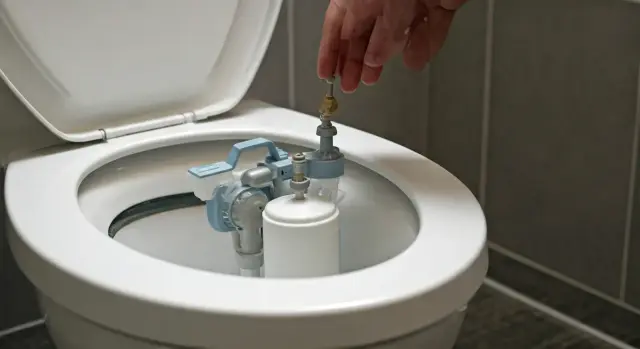
A toilet that constantly runs or refills itself is more than just an annoying noise; it's a significant waste of water and money. Depending on the severity, a running toilet can silently flush away thousands of litres of water each year, leading to unexpectedly high utility bills. Fortunately, many common causes are simple to diagnose and fix yourself with basic tools.
Why is My Toilet Constantly Running? Common Causes
Understanding what makes your toilet run is the first step to fixing it. The issue almost always lies within the cistern (the tank at the back of the toilet) and its internal mechanisms. Here are the most frequent culprits:
- Worn or Misaligned Flapper/Flush Valve Seal: This is the most common cause. The flapper is the rubber or plastic seal at the bottom of the cistern that lifts when you flush. If it's worn, stiff, dirty, or not seating properly, water will continuously leak from the cistern into the toilet bowl.
- Faulty Fill Valve/Float Mechanism: The fill valve (also known as the ballcock) controls the water entering the cistern. It has a float (either a ball on an arm or a float cup) that rises with the water level. If the float is set too high, stuck, or the fill valve itself is faulty, it won't shut off the water supply, causing the water to overflow into the overflow pipe.
- Incorrectly Positioned Refill Tube: This small tube connects the fill valve to the overflow pipe. Its purpose is to refill the toilet bowl after a flush. If it's pushed too far down into the overflow pipe, or if it's constantly siphoning water, it can create a continuous flow.
- Sticking Flush Handle or Chain: If the flush handle is stiff or the chain connecting it to the flapper is too tight, it can prevent the flapper from fully closing, causing a leak.
- Cracked Overflow Pipe: While less common, a hairline crack in the overflow pipe can allow water to slowly drain into the bowl, especially if the fill valve is overfilling.
Tools You'll Need
Before you start, gather these basic tools:
- Rubber gloves
- Sponge or old towel
- Screwdriver (flathead and/or Phillips, depending on your toilet)
- Wire brush or old toothbrush (for cleaning)
- Small mirror (optional, for checking the back of the flapper)
- Food colouring (for testing leaks)
- Replacement flapper or fill valve (if needed, match your existing type)
Safety First
Always turn off the water supply to the toilet before attempting any repairs. The isolation valve is usually located on the pipe coming out of the wall or floor, often beneath the cistern. Turn it clockwise until the water flow stops. Flush the toilet to empty the cistern.
DIY Fixes for a Running Toilet
1. Check and Adjust the Flapper/Flush Valve Seal
This is the most common culprit. A simple test can confirm if your flapper is leaking:
- The Dye Test: Add a few drops of food colouring (dark blue or green works well) into your toilet cistern. Do not flush. Wait 15-20 minutes. If the coloured water appears in the toilet bowl, your flapper is leaking.
- Inspect the Flapper: Lift the cistern lid. Examine the flapper at the bottom of the tank. Is it worn, cracked, or stiff? Is there any debris (limescale, sediment) preventing it from sealing properly?
- Clean or Replace: If it's just dirty, carefully clean the edges of the flapper and the flush valve seat with a sponge or brush. If it's old, warped, or damaged, it will need replacing. Take the old flapper with you to a DIY store to ensure you get a compatible replacement.
- Re-seat the Flapper: Ensure the flapper chain has a small amount of slack (about 1-2 cm) when the flapper is closed. Too tight, and it won't seal; too loose, and it won't lift properly. Make sure the flapper is sitting squarely over the flush valve opening.
2. Adjust the Float Arm/Fill Valve
The float mechanism tells the fill valve when to stop filling the cistern. If the water level is too high, it will continuously drain into the overflow pipe.
- Identify Your Float Type: Older toilets often have a ballcock float (a large ball on a metal arm). Newer toilets typically use a float cup that slides up and down the fill valve shaft.
- Lower the Water Level: The water level in the cistern should typically be about 2-3 cm below the top of the overflow pipe. If it's higher, you need to adjust the float.
- Adjusting a Ballcock Float: Gently bend the float arm downwards, or turn the adjustment screw (if present) on the fill valve assembly to lower the float.
- Adjusting a Float Cup: There's usually an adjustment screw or a clip on the fill valve shaft. Push down or turn the screw to lower the float cup.
- Check for Obstructions: Ensure the float mechanism moves freely and isn't snagged on any other internal components.
3. Check the Refill Tube
This small tube is crucial for refilling the toilet bowl after a flush.
- Positioning: The refill tube should be clipped to the top of the overflow pipe and directed slightly into it, but crucially, its end should be above the water level in the cistern when full.
- Ensure No Siphoning: If the tube is pushed too far down into the overflow pipe, it can create a siphoning effect, continuously drawing water from the fill valve into the bowl. Pull it up so that its opening is clear of the water line.
4. Inspect the Flush Handle and Chain
A simple mechanical issue can cause continuous running.
- Handle Movement: Ensure the flush handle moves freely and springs back to its original position without sticking. If it's stiff, it might need lubrication or replacement.
- Chain Length: As mentioned in the flapper section, the chain connecting the handle lever to the flapper should have a slight amount of slack. If it's too tight, it will keep the flapper slightly open. If it's too loose, the flapper might not lift enough for a full flush. Adjust the chain length as needed.
When to Call a Professional
While many running toilet issues are DIY-friendly, some problems require expert attention. You should consider calling a professional plumber if:
- You've tried the above fixes, and the toilet is still running.
- You suspect a more complex issue, such as a faulty fill valve that needs replacing, and you're not confident doing it yourself.
- There's a visible crack in the cistern or toilet bowl.
- You notice water leaking from the base of the toilet or from pipes, indicating a more serious plumbing problem.
- You're uncomfortable working with plumbing or lack the necessary tools.
For persistent or complex issues, it's always best to get a qualified expert involved. You can quickly find emergency plumbers near you through FixDelivered, ensuring you get a trusted professional to resolve the problem efficiently.
Cost of Professional Toilet Repair (2026 UK Guide)
The cost of hiring a plumber to fix a running toilet in the UK can vary based on location, urgency, and the complexity of the repair. As a rough guide for 2026, you can expect:
- Call-out Fee: Typically £70 - £120, which may include the first hour of labour.
- Hourly Labour Rate: £60 - £90 per hour for additional time.
- Parts: Replacement flappers usually cost £10 - £20. A new fill valve can range from £25 - £50.
Most running toilet issues are straightforward and can often be resolved within the first hour, bringing the total cost to roughly £150 - £250, including parts and labour. Complex repairs or the need for new ceramic components (cistern or bowl) would naturally increase this figure.
A running toilet is a common household nuisance, but often a simple fix. By following these steps, you can save water, money, and the irritation of constant noise. If you do find yourself needing professional help, remember that FixDelivered can connect you with reliable local plumbers quickly. Don't let a running toilet drain your wallet – address it promptly!
Ready to get your plumbing emergency sorted? Tell us your emergency and learn how FixDelivered works to connect you with a qualified local plumber today.
Frequently asked questions
How much water does a running toilet waste?
A constantly running toilet can waste hundreds of litres of water per day, potentially leading to thousands of litres wasted per month. This can significantly increase your water bill and is a major environmental concern.
How do I know if my toilet is running?
The most obvious sign is the sound of water continuously flowing into the bowl or the cistern refilling itself frequently without being flushed. You can also perform a dye test by adding food colouring to the cistern; if the colour appears in the bowl without flushing, your toilet is leaking.
Can I fix a running toilet myself?
Many common running toilet issues, such as a worn flapper, a misaligned float, or a sticking handle, can be fixed by a competent DIYer with basic tools and some patience. This guide provides step-by-step instructions for these common problems.
What's the average cost to fix a running toilet in the UK?
In 2026, you can expect a professional plumber to charge roughly £150 - £250 for a running toilet repair in the UK, including call-out fees, labour for the first hour, and common replacement parts like a flapper or fill valve. This can vary by location and the complexity of the issue.
What is a flapper valve?
The flapper valve (or flush valve seal) is the rubber or plastic component at the bottom of your toilet cistern that seals the water in. When you flush, the flapper lifts to allow water into the bowl, then drops back down to create a seal, allowing the cistern to refill. A faulty flapper is the most common cause of a running toilet.
Need a plumber now? Tell us your emergency and FixDelivered will find and confirm an available local plumber near you, usually within the hour.
Written by the FixDelivered Team. Reviewed by Rupert Lowe, Editor. Last updated 2026-08-10.