Fix a Toilet That Won't Flush Properly: UK DIY Guide
By The FixDelivered Team · Updated 2026-08-11 · 7 min read
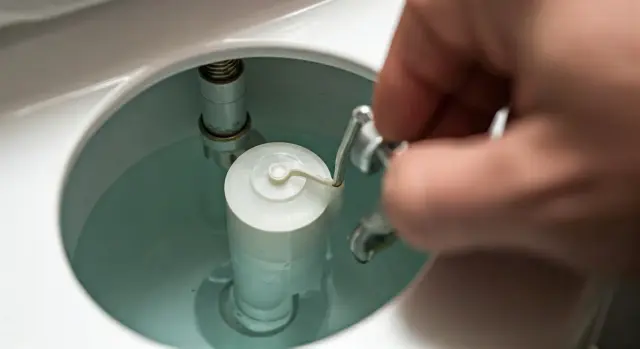
A toilet that fails to flush properly, whether it's a weak flush or no flush at all, is a common and inconvenient plumbing problem in UK homes. Before you panic and call an emergency plumbers near you, many issues can be diagnosed and fixed with a few simple DIY steps. This guide will walk you through the most common causes and how to tackle them yourself, saving you time and potentially money.
Common Reasons Your Toilet Isn't Flushing Properly
Understanding why your toilet isn't flushing is the first step to fixing it. Here are the most typical culprits:
- Low Water Level in the Cistern: If the water level inside the cistern isn't reaching the overflow pipe (or the marked fill line), there simply isn't enough water volume to create an effective flush. This is often due to a faulty or incorrectly adjusted fill valve (also known as a ballcock).
- Faulty Flush Mechanism: The internal components that initiate the flush – typically a flapper valve, siphon diaphragm, or a drop valve – can wear out, become misaligned, or get obstructed. A chain that's too long, too short, or disconnected from the flush handle can also prevent the mechanism from lifting correctly.
- Partial Blockage in the Pan or Waste Pipe: Even if water enters the bowl, a weak flush can indicate a partial blockage. This might be due to too much toilet paper, non-flushable items, or a build-up of limescale and debris restricting the flow down the waste pipe.
- Clogged Rim Jets: The small holes located under the rim of the toilet bowl are called rim jets. These direct water into the bowl to create the flushing action. Over time, limescale and mineral deposits can block these jets, leading to a weak or incomplete flush.
- Damaged or Worn Components: Rubber seals, washers, and plastic parts within the cistern can degrade over time, leading to leaks or inefficient operation of the flush mechanism.
Tools You'll Need
For most DIY toilet flush repairs, you'll only need a few basic tools:
- Rubber gloves
- Old towels or a bucket
- Adjustable spanner or pliers
- Screwdriver (flathead or Phillips, depending on your cistern fixings)
- Stiff wire brush or old toothbrush (for cleaning rim jets)
- White vinegar or a limescale remover
- Plunger (for blockages)
- Toilet auger or snake (optional, for stubborn blockages)
Step-by-Step DIY Guide to Fix a Weak or Non-Flushing Toilet
Before you begin, always turn off the water supply to the toilet. The isolation valve is usually located on the pipe coming out of the wall or floor, near the base of the toilet. Flush the toilet to empty the cistern.
- Check the Water Level in the Cistern:
- Carefully lift off the cistern lid.
- Observe the water level. It should typically be 1-2 inches below the top of the overflow pipe (the central vertical pipe) or at a marked fill line.
- If the water level is too low, gently bend the float arm downwards (if it's a traditional ballcock) or adjust the float cup (on modern fill valves) to allow more water to enter before it shuts off.
- Turn the water supply back on and let the cistern refill to check the new level.
- Inspect the Flush Mechanism:
- With the cistern lid off, lift the flush handle or press the button as if flushing.
- Observe if the flapper valve (a rubber disc at the bottom of the cistern) or the siphon/drop valve assembly lifts completely and falls back into place properly.
- Check the chain or linkage connecting the handle/button to the valve. It should have a small amount of slack but not be so long that it doesn't lift the valve fully, nor so short that it prevents the valve from sealing. Adjust as needed.
- Look for any visible damage or wear on the flapper or siphon diaphragm. If it looks degraded, it might not be sealing correctly, leading to a slow leak and low water level.
- Clean the Rim Jets:
- Wear rubber gloves and use a mirror to see the underside of the toilet rim. You'll see several small holes.
- Use a small wire (like a straightened paperclip) or a stiff wire brush/old toothbrush to clear any visible limescale or debris from these holes.
- For stubborn build-up, pour white vinegar or a dedicated limescale remover into the overflow pipe inside the cistern. Let it sit for at least 30 minutes (or overnight for severe cases) before flushing. This allows the cleaning solution to flow through the rim jets.
- Address Partial Blockages:
- If the water fills the bowl but drains very slowly or doesn't clear waste effectively, you likely have a partial blockage.
- Use a sturdy toilet plunger. Place it firmly over the drain hole, ensuring a good seal, and plunge vigorously 10-15 times.
- If plunging doesn't work, a toilet auger (also known as a closet auger or toilet snake) can be used. Carefully feed the auger into the toilet bowl drain, rotating it to break up or retrieve the blockage. Be gentle to avoid scratching the porcelain.
- Check for Leaks and Worn Seals:
- Inspect all visible connections and seals within the cistern and where the pan meets the waste pipe.
- If you suspect a slow leak from the flapper or siphon, add a few drops of food colouring to the cistern water. Wait 15-30 minutes without flushing. If the colour appears in the toilet bowl, the seal is faulty and needs replacing.
Safety Caution
Always turn off the water supply before working inside the cistern. Be careful when handling porcelain to avoid chips or cracks. Do not mix different chemical cleaners, as this can produce dangerous fumes.
When to Call a Professional Plumber
While many toilet flush issues can be fixed DIY, there are times when it's best to call in a professional. If you've tried the steps above and the problem persists, if you're uncomfortable working with plumbing, or if you encounter any of the following, it's time to seek expert help:
- The problem is a persistent or deep blockage that a plunger or auger can't clear.
- You need to replace major components like the entire fill valve or flush valve assembly and lack the confidence or tools.
- There's a leak that you can't locate or stop.
- Your toilet is a macerating toilet (these require specialist knowledge).
- You have an older toilet with unfamiliar mechanisms.
For reliable assistance, you can find a local plumber quickly through FixDelivered. We connect you with qualified professionals ready to tackle your plumbing emergency.
How Much Does a Plumber Cost to Fix a Toilet in 2026?
The cost of hiring a plumber to fix a toilet in the UK in 2026 can vary significantly based on your location, the plumber's rates, and the complexity of the job. As a rough guide:
- Call-out fee: Typically £80-£120, which may include the first hour of labour.
- Hourly rate: Usually £60-£90 per hour after the initial call-out.
- Simple repairs (e.g., adjusting a chain, clearing a minor blockage, replacing a flapper): Expect to pay £100-£180, including parts and labour for an hour or so.
- Replacing a fill valve or flush valve assembly: This might cost between £150-£250. Parts themselves are usually £20-£50, with labour for 1-2 hours.
- More complex blockages (e.g., requiring specialist equipment like a drain jetter): These can range from £200-£400+, depending on the severity and time taken.
Always ask for an upfront quote or an estimate of the work involved before authorising any repairs.
Get a Qualified Plumber Fast with FixDelivered
If your toilet flush problem is beyond a DIY fix, or you simply prefer professional help, FixDelivered is here to help. We make it easy to get a plumber now who is qualified and local to you. Our service aims to connect you with reliable tradespeople quickly, taking the stress out of plumbing emergencies. You can learn more about how FixDelivered works on our site, or explore our plumbing emergency guides for more helpful advice.
Frequently asked questions
Why is my toilet flushing weakly?
A weak flush is typically caused by a low water level in the cistern, a partial blockage in the toilet bowl or waste pipe, or clogged rim jets under the toilet rim. Check these areas first to diagnose the problem.
Can I use chemical drain cleaner in my toilet?
While chemical drain cleaners can be used, they are generally not recommended for toilets. They can damage rubber seals and plastic components over time, and if the blockage is severe, they can create a bowl full of corrosive water that's difficult to remove safely. A plunger or toilet auger is usually a safer and more effective first step.
How do I know if my fill valve is faulty?
A faulty fill valve will often result in a consistently low water level in the cistern, or it may continuously run, causing a constant trickle into the toilet bowl. You can test it by observing if the water stops filling at the correct level, or if it takes an unusually long time to fill.
What's the average cost to fix a toilet flush?
In the UK in 2026, fixing a toilet flush typically costs between £100-£250, depending on the issue. Simple fixes like adjusting a chain or replacing a flapper might be £100-£180, while replacing a fill or flush valve assembly could be £150-£250, including parts and labour. Always get a quote upfront.
Need a plumber now? Tell us your emergency and FixDelivered will find and confirm an available local plumber near you, usually within the hour.
Written by the FixDelivered Team. Reviewed by Rupert Lowe, Editor. Last updated 2026-08-11.