Low Water Pressure: Diagnose & Fix It at Home (UK Guide)
By The FixDelivered Team · Updated 2026-08-11 · 7 min read
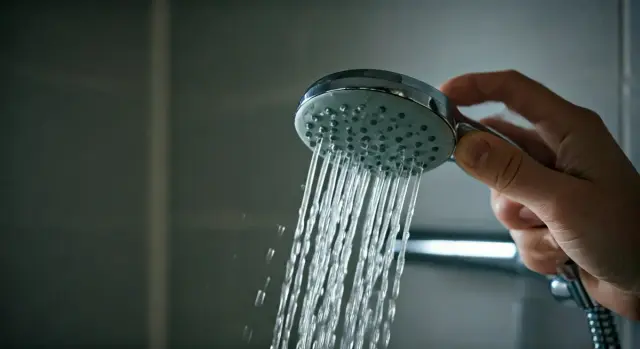
Low water pressure can turn simple tasks like showering or washing dishes into a frustrating ordeal. While it might seem like a major problem, many causes of low water pressure are surprisingly easy to diagnose and fix yourself. This comprehensive UK guide will help you pinpoint the source of the issue and provide clear, actionable steps to restore your home's water flow. We’ll cover everything from simple DIY solutions to knowing when it’s time to call in a professional plumber.
Understanding Your Home's Water Supply
Before diving into diagnostics, it's helpful to understand how water enters and flows through your property. Most UK homes receive water directly from the mains, but some older properties or specific fixtures might be gravity-fed from a cold water storage tank, typically located in the loft. Mains-fed systems generally offer better pressure, while gravity-fed systems rely on the height difference between the tank and the tap for pressure.
You'll also have at least two main stopcocks: an external one (usually in the street outside your property, managed by your water company, but accessible to you in an emergency) and an internal one (often under the kitchen sink, in a utility room, or near the incoming water pipe). Ensuring both are fully open is a basic but critical check.
Diagnosing Low Water Pressure: Where's the Problem?
The first step to fixing low water pressure is to determine if the problem is isolated to one tap or affects your entire home. This distinction is crucial for effective diagnosis.
- Is it just one tap or shower? If only a single fixture has low pressure, the issue is likely localised to that specific tap, its aerator, or the supply pipe leading to it.
- Is it only the hot water? This often points to a problem with your boiler, hot water cylinder, or the hot water supply lines. If it's your boiler, remember that Gas Safe registered plumbers are the only professionals qualified to work on gas appliances.
- Is it only the cold water? This suggests an issue with the cold water supply to that fixture, or potentially the main cold water feed.
- Is it affecting all taps and showers in the house? This indicates a more widespread problem, potentially with your main stopcock, a pressure reducing valve (PRV), or even an issue with your external mains supply.
- Have you asked your neighbours? If they are also experiencing low water pressure, the problem likely lies with your local water supplier. Check their website for known issues in your area.
DIY Fixes for Common Low Water Pressure Issues
Once you've narrowed down the problem, you can attempt some common DIY fixes.
1. Check and Fully Open Stopcocks
Often, a partially closed stopcock is the culprit. Ensure both your internal and external stopcocks are fully open.
- Locate your internal stopcock: Typically under the kitchen sink, in a utility room, or near where the main water pipe enters your home.
- Turn it clockwise until it stops, then anti-clockwise a quarter turn: This ensures it's fully open but not seized.
- Locate your external stopcock: Usually in a small chamber under a cover on your property boundary or in the pavement. You might need a stopcock key or large adjustable spanner to operate it.
- Turn the external stopcock fully anti-clockwise: Be gentle, as older ones can be stiff. If you have difficulty or believe it's seized, contact your water supplier, as they are responsible for this part of the supply.
When to call a professional: If you cannot locate or safely operate your stopcocks, or if the external stopcock appears damaged.
2. Clean Tap Aerators and Shower Heads
Mineral deposits (limescale) and debris can build up in aerators (the mesh at the end of a tap) and shower heads, restricting water flow.
Tools needed: Adjustable spanner or pliers (with a cloth to protect chrome), old toothbrush, white vinegar, small bowl.
- Turn off the water supply to the affected tap/shower at the isolation valve (usually a small valve on the pipe underneath) or the main internal stopcock if no isolation valve is present.
- Place a cloth over the tap/shower head to protect the finish.
- Carefully unscrew the aerator/shower head using an adjustable spanner or pliers. Turn anti-clockwise.
- Disassemble the aerator/shower head: Note the order of any washers or screens.
- Clean all components: Use an old toothbrush to scrub away visible debris. For stubborn limescale, soak the parts in white vinegar for a few hours.
- Rinse thoroughly and reassemble in the correct order.
- Screw the aerator/shower head back on gently, hand-tightening first, then a quarter turn with the spanner. Do not overtighten.
- Turn the water supply back on and check the pressure.
Safety Caution: Do not overtighten components, as this can damage threads or seals. If the aerator or shower head is stuck, do not force it; call a plumber.
When to call a professional: If the aerator or shower head cannot be removed, or if cleaning does not improve the pressure.
3. Check for Leaks
Even a small, hidden leak can significantly reduce water pressure over time.
- Turn off all taps and appliances that use water (washing machine, dishwasher, etc.).
- Note your water meter reading.
- Wait for an hour or two (or overnight if possible), ensuring no water is used.
- Check the meter again. If the reading has changed, you likely have a leak.
When to call a professional: If you suspect a hidden leak. Locating and repairing leaks, especially under floors or behind walls, requires specialist tools and expertise. For reliable assistance, you can find emergency plumbers near you through FixDelivered.
4. Boiler Pressure (Hot Water Only)
If only your hot water pressure is low, and you have a combi boiler, check the boiler's pressure gauge. It should typically be between 1 and 1.5 bar when cold. Refer to your boiler's manual for specific instructions on how to re-pressurise it. Be aware that frequent re-pressurising can indicate a leak in the system.
Safety Warning: Do not attempt any internal repairs or adjustments to your boiler beyond simple re-pressurisation as per the manufacturer's instructions. Any work on gas appliances or their internal components must be carried out by a Gas Safe registered plumber.
When to call a professional: If re-pressurising doesn't fix the issue, if you need to re-pressurise frequently, or if you are unsure about any boiler-related task.
When to Call a Professional Plumber
While many low water pressure issues can be resolved with DIY efforts, some problems require the expertise of a qualified plumber. You should call a professional if:
- The problem persists after trying the above DIY fixes.
- You suspect a main supply issue or a problem with your external stopcock that your water company cannot resolve.
- You have a faulty or incorrectly set Pressure Reducing Valve (PRV). Adjusting these can be complex and requires specialist knowledge to ensure safe and effective water pressure.
- You suspect a hidden leak that you cannot locate.
- There are issues with your hot water cylinder or boiler (always ensure they are Gas Safe registered for boiler work).
- You're uncomfortable performing any of the DIY steps.
A professional plumber can accurately diagnose more complex problems using specialised equipment and ensure repairs are carried out safely and effectively. For urgent or complex low water pressure issues, you can tell us your emergency and FixDelivered will connect you with a qualified local plumber.
Preventative Measures
To help maintain good water pressure and prevent future issues:
- Regularly clean tap aerators and shower heads to prevent limescale build-up.
- Be mindful of water usage during peak times, as this can temporarily reduce pressure.
- Address any minor leaks promptly to prevent them from worsening.
Find a Qualified Plumber Today
Low water pressure can be more than just an inconvenience; it can indicate underlying issues that need attention. By following this guide, you can often diagnose and resolve the problem yourself. However, for more complex or persistent issues, don't hesitate to call in the experts. FixDelivered makes it easy to find a local plumber who can quickly and efficiently get your water pressure back to normal. Our service connects you with qualified professionals, with the callout fee agreed upfront for your peace of mind. Learn more about how FixDelivered works.
Frequently asked questions
Why is my water pressure suddenly low?
Sudden low pressure can be caused by a partially closed stopcock, a burst pipe or leak (internal or external), a blockage in your pipes, or an issue with your local water supplier's mains.
Can low water pressure damage my boiler?
Consistently very low water pressure, especially for hot water, can indicate an issue that may affect your boiler's performance or efficiency. For combi boilers, low pressure can prevent the boiler from firing up. Any boiler issues should be addressed by a Gas Safe registered engineer.
How much does it cost to get a plumber to fix low water pressure?
The cost varies significantly depending on the cause. Simple fixes like cleaning an aerator might be part of a standard call-out fee (typically £80-£150 in 2026), while complex issues like hidden leaks or main supply problems could involve more extensive work and cost more.
What's the ideal water pressure for a UK home?
For most mains-fed UK homes, a good water pressure is typically between 1.5 to 3 bar. Anything below 1 bar is generally considered low. Specific regulations for new builds often require a minimum of 1 bar at the boundary stopcock.
Need a plumber now? Tell us your emergency and FixDelivered will find and confirm an available local plumber near you, usually within the hour.
Written by the FixDelivered Team. Reviewed by Rupert Lowe, Editor. Last updated 2026-08-11.