Frozen Pipes: Safely Thaw & Prevent Bursts
By The FixDelivered Team · Updated 2026-08-05 · 6 min read
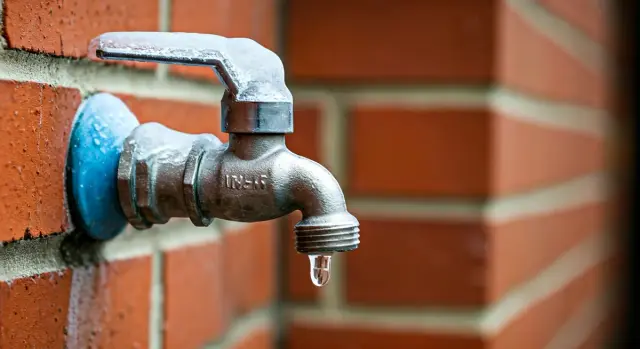
When temperatures plummet in the UK, frozen pipes become a significant concern for homeowners. Water expands as it freezes, and this expansion can exert immense pressure on your pipework, leading to cracks and potentially devastating bursts. Dealing with a frozen pipe quickly and safely is crucial to prevent extensive water damage and expensive repairs. This guide will walk you through identifying, safely thawing, and ultimately preventing frozen pipes in your home.
How to Identify Frozen Pipes
The most obvious sign of a frozen pipe is a complete lack of water or significantly reduced water pressure from a tap, especially during cold weather. Other indicators include:
- No water flow: If you turn on a tap and nothing comes out, or only a trickle, a pipe supplying that tap might be frozen.
- Visible frost: You might see frost or a bulge on an exposed pipe, particularly in unheated areas like lofts, basements, or outside walls.
- Strange noises: Gurgling or banging sounds can indicate water trying to pass through a blockage.
- Unusual odours: A strong, unpleasant smell from a drain could mean a frozen waste pipe, preventing water from moving away.
Immediate Action: Shut Off Your Water Supply
Before attempting any thawing, the most critical step is to locate and turn off your main stopcock. This prevents a potential burst pipe from flooding your home as the ice thaws. If the pipe has already burst, shutting off the water will minimise damage immediately. You should also turn off your central heating system to prevent further water circulation to the frozen area.
How to Safely Thaw Frozen Pipes (DIY Guide)
If you've located the frozen section and it's accessible, you can often thaw it yourself. Always proceed with caution to avoid further damage.
Tools You'll Need:
- Hairdryer (on a low setting)
- Hot water bottles or towels soaked in hot water
- Bucket or old towels to catch drips
- Torch (for inspecting dark areas)
- Gloves
Step-by-Step Thawing Instructions:
- Locate the frozen section: Start at the point where the pipe enters the unheated area and work your way back. Look for any visible frost or bulges.
- Open the tap: Open the tap connected to the frozen pipe. This allows water to flow out as the ice melts and relieves pressure.
- Apply gentle heat: Begin applying heat to the pipe as close to the tap as possible, working backwards towards the main supply.
- Hairdryer: Use a hairdryer on a low or medium setting, keeping it moving to prevent overheating one spot.
- Hot towels/bottles: Wrap hot, damp towels around the pipe, changing them frequently as they cool. Hot water bottles can also be effective.
- Monitor for leaks: As the ice melts, keep a close eye on the pipe for any cracks or leaks. Have your bucket and towels ready.
- Restore water slowly: Once water starts flowing freely from the tap, you can slowly turn your main stopcock back on. Check all taps and visible pipework for leaks.
Safety Cautions:
- NEVER use an open flame: Blowtorches or any open flame can cause serious damage to pipes (especially plastic ones) and are a significant fire risk, particularly near insulation or timber.
- Avoid boiling water directly: While hot towels are fine, pouring boiling water directly onto a frozen pipe can cause it to crack due to sudden temperature changes.
- Ensure good ventilation: If using electrical appliances like hairdryers, ensure the area is dry and well-ventilated to prevent electrical hazards.
When to Call a Professional
Sometimes, DIY thawing isn't possible or safe. You should call a qualified plumber if:
- The frozen pipe is inaccessible (e.g., behind a wall, under floorboards).
- You cannot locate the frozen section.
- You suspect the pipe has already burst or is leaking.
- You've tried thawing but water still isn't flowing.
- You are unsure or uncomfortable performing the steps yourself.
If you're unsure or the pipe is inaccessible, it's best to call an emergency plumber near you.
What to Do if a Pipe Bursts
A burst pipe can quickly cause significant damage. If you discover a burst pipe:
- Shut off your main stopcock immediately: This is the most crucial step to stop the flow of water.
- Turn off your central heating and immersion heater: This prevents more water from circulating and heating up.
- Open all cold taps: This helps drain the system and reduce pressure.
- Collect water: Use buckets and towels to contain the water and minimise damage.
- Call a plumber: Once the immediate danger is contained, you'll need professional help to repair the pipe. Don't hesitate to tell us your emergency for rapid assistance.
Preventing Frozen Pipes
Prevention is always better than cure. Here are key steps to protect your pipes:
- Insulate (lag) pipes: Wrap all exposed pipes in unheated areas (lofts, garages, basements, under sinks) with foam pipe insulation.
- Insulate your loft: A well-insulated loft keeps the cold out and prevents pipes from freezing.
- Drip outdoor taps: Disconnect any garden hoses and, if possible, drain outdoor taps. If you can't drain them, leave them dripping slightly during severe cold snaps to keep water moving.
- Keep heating on low: If you're going away during winter, leave your heating on a low setting (e.g., 12-14°C) or set it on a timer to come on for a few hours a day.
- Open loft hatches: On very cold nights, open your loft hatch to allow some warmth from your home to rise into the loft space.
- Check on your home: If you're away for an extended period, ask a neighbour or friend to check your property regularly.
- Know your stopcock location: Ensure everyone in the household knows where the main stopcock is and how to turn it off.
Cost of Dealing with Frozen Pipes (2026 UK Guide)
The cost of dealing with frozen pipes in the UK can vary significantly:
- DIY thawing: Minimal, mainly the cost of a hairdryer if you don't own one.
- Professional thawing: Typically, an emergency plumber's call-out fee is between £80-£150, plus an hourly rate of £50-£100. Total cost for thawing a simple accessible pipe might be £150-£250.
- Burst pipe repair: This is more complex and can range from £150 for a straightforward repair to £300+ for more involved work, especially if it requires cutting into walls or floors. Significant water damage adds considerably to the total cost.
Always check your home insurance policy, as many policies cover damage caused by burst pipes, though there might be an excess to pay.
Get Help Fast with FixDelivered
Dealing with frozen or burst pipes can be stressful and requires quick action. FixDelivered connects you with qualified local plumbers who can respond to your emergency swiftly, often within hours. We ensure you get transparent pricing with an agreed-upon callout fee paid directly to the plumber, and our booking fee is refundable if no plumber is found.
For any plumbing emergency, including frozen or burst pipes, FixDelivered connects you with qualified local plumbers quickly. Learn more about how FixDelivered works and how we can help. For more advice on common household plumbing issues, explore our plumbing emergency guides.
Frequently asked questions
How quickly can a pipe freeze in the UK?
A pipe can freeze within a few hours if temperatures drop significantly below zero, especially if it's exposed, uninsulated, and there's no water flow. Pipes in unheated areas like lofts, garages, and external walls are most vulnerable.
Can I use a blowtorch to thaw a frozen pipe?
Absolutely not. Using a blowtorch or any open flame on a frozen pipe is extremely dangerous. It can damage the pipe (especially plastic pipes), cause it to burst from rapid expansion, or ignite nearby insulation or building materials, leading to a serious fire.
Will my home insurance cover damage from frozen and burst pipes?
Most standard UK home insurance policies (buildings and contents) typically cover damage caused by burst pipes, as long as reasonable precautions were taken to prevent freezing (e.g., maintaining heating or insulating pipes). However, you'll likely have to pay an excess, and the policy might not cover the cost of repairing the pipe itself, only the resulting damage. Always check your specific policy details.
Need a plumber now? Tell us your emergency and FixDelivered will find and confirm an available local plumber near you, usually within the hour.
Written by the FixDelivered Team. Reviewed by Rupert Lowe, Editor. Last updated 2026-08-05.