Advice & guides › Costs & Pricing
Drain Unblocking Cost UK: When to DIY & When to Call a Pro
By The FixDelivered Team · Updated 2026-08-14 · 7 min read
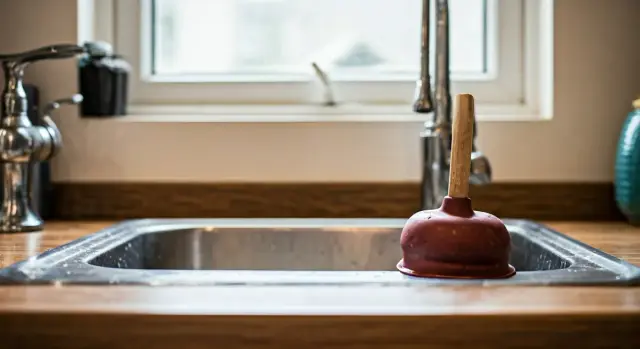
A blocked drain is a common, messy, and often frustrating household problem. From a slow-draining sink to a completely backed-up toilet, knowing whether to tackle it yourself or call in a professional can save you both time and money. This guide breaks down the typical costs for drain unblocking in the UK for 2026 and helps you decide on the best course of action.
When to Tackle a Blocked Drain Yourself
For minor, localised blockages, a DIY approach can often be effective. These are usually caused by hair, soap scum, or small food particles accumulating near the drain opening. Always wear rubber gloves and eye protection when working with drains.
DIY Method 1: The Plunger
A simple plunger is surprisingly effective for many blockages.
Tools you'll need:
- Rubber gloves
- Plunger (cup-style for sinks, flange-style for toilets)
- Old towels or rags
Step-by-step:
- Clear the area: Remove any standing water and debris around the drain. For sinks, remove the drain stopper.
- Create a seal: Place the plunger firmly over the drain opening, ensuring a tight seal. For sinks, block any overflow holes with a wet cloth or rag.
- Plunge vigorously: Push down and pull up sharply for about 15-20 seconds. The aim is to create suction and pressure to dislodge the blockage.
- Check and repeat: Remove the plunger and see if the water drains. If not, repeat the process several times.
DIY Method 2: Baking Soda and Vinegar
This natural remedy can sometimes clear minor organic blockages. It creates a fizzing reaction that can help break down grease and grime.
Tools you'll need:
- Rubber gloves
- Baking soda (bicarbonate of soda)
- White vinegar
- Kettle of hot (not boiling) water
Step-by-step:
- Pour hot water: Carefully pour a kettle of hot water down the drain to loosen any grease.
- Add baking soda: Follow with about half a cup of baking soda. Let it sit for a few minutes.
- Add vinegar: Pour in one cup of white vinegar. You should hear a fizzing sound.
- Cover and wait: Immediately cover the drain with a stopper or cloth to keep the reaction concentrated. Let it sit for 30 minutes to an hour, or even overnight for stubborn clogs.
- Flush: Finish by flushing the drain with another kettle of hot water.
When to call a professional:
If your DIY efforts don't clear the blockage after a couple of attempts, or if the problem recurs quickly, it's time to call in the experts. Persistent blockages often indicate a deeper or more complex issue that requires specialist tools and expertise.
When to Call a Professional Plumber
Certain situations almost always warrant professional help to avoid causing further damage to your plumbing system or property.
- Multiple blocked drains: If your toilet, sink, and shower are all backing up, it likely indicates a main sewer line blockage, which needs professional attention.
- Foul odours or gurgling sounds: These can be signs of a blockage building up in your main drainpipes or sewer system.
- External drain issues: Blockages in outdoor drains, manholes, or inspection chambers often require high-pressure water jetting or specialist tools.
- Suspected structural damage: If you suspect tree roots have infiltrated your pipes, or there's a collapsed section, a plumber with CCTV drain survey equipment is essential.
- Chemical drain cleaners failed: If you've tried store-bought chemical drain cleaners (use sparingly and with extreme caution, as they can damage pipes and be dangerous), and they haven't worked, do not add more. Call a professional.
- Emergency situations: If you have raw sewage backing up, or a burst pipe causing a major flood, you need emergency plumbers near you immediately.
How Much Does Drain Unblocking Cost in the UK (2026)?
The cost of professional drain unblocking in the UK can vary significantly based on several factors, including the type and severity of the blockage, your location, and whether it's an emergency call-out. Here’s a rough guide for 2026:
Typical Price Ranges:
- Simple Internal Blockage (e.g., sink, toilet, bath): For a straightforward blockage that can be cleared with a plumber's auger or small jetting unit, expect to pay typically between £80 - £150. This usually covers the first hour or a fixed fee for simple jobs.
- More Complex Internal or External Blockage (e.g., main drain, fatberg, roots): If the blockage is deeper, in an external drain, or requires high-pressure water jetting (hydro-jetting) or more time, costs can range from £150 - £350+. This might include the use of specialist equipment.
- Emergency/Out-of-Hours Call-Outs: For urgent services outside of standard working hours (evenings, weekends, bank holidays), expect an additional premium of £50 - £100 on top of the standard rate.
- CCTV Drain Survey: If the cause of the blockage is unclear, or recurring, a plumber might recommend a CCTV drain survey. This typically costs between £200 - £400 and provides a detailed report and video footage of your drainage system.
Always ask for a clear quote or an estimated range before any work begins. Many plumbers offer a fixed price for common unblocking jobs, while others charge an hourly rate plus a call-out fee. With FixDelivered, you'll agree the plumber's callout fee upfront, giving you peace of mind.
What Does a Professional Plumber Do to Unblock Drains?
Professional plumbers have a range of tools and techniques at their disposal to tackle even the most stubborn blockages.
- Plumber's Auger/Drain Snake: A long, flexible cable with an auger head that can be fed down drains to break up or retrieve blockages.
- High-Pressure Water Jetting (Hydro-jetting): This powerful method uses high-pressure water streams to blast away blockages, including fatbergs, scale, and even tree roots, cleaning the pipe walls thoroughly.
- CCTV Drain Surveys: A small camera is inserted into the drain to visually inspect the pipes, identify the exact cause and location of the blockage, and check for damage like cracks or root ingress.
- Specialist Chemical Treatments: While less common for residential call-outs due to safety concerns, professional-grade chemicals can be used by experts in controlled environments for specific types of blockages.
Preventing Drain Blockages
Prevention is always better (and cheaper) than a cure. Here are some simple tips to keep your drains flowing freely:
- Kitchen Sinks: Never pour cooking fat or oil down the drain. Scrape food scraps into the bin before washing dishes. Use a sink strainer.
- Bathroom Sinks & Showers: Use drain covers or hair traps to catch hair and soap scum. Avoid flushing cotton wool, wet wipes, or dental floss.
- Toilets: Only flush the 'three Ps' – pee, poo, and (toilet) paper. Wet wipes (even 'flushable' ones), sanitary products, and cotton buds should go in the bin.
- Regular Flushing: Periodically flush all drains with hot water, perhaps with a little washing-up liquid, to help prevent build-up.
For more general advice on maintaining your home's plumbing, you can explore our plumbing emergency guides.
Choosing a Professional Plumber for Drain Unblocking
When you need a professional, it's important to choose wisely:
- Experience and Reputation: Look for plumbers with a good track record and positive reviews.
- Transparent Pricing: Always get a clear quote or understanding of costs upfront. Be wary of quotes that seem too good to be true, or those that are vague.
- Insurance: Ensure the plumber has public liability insurance.
- Availability: For emergencies, you'll need someone who can respond quickly.
Finding a reliable local plumber can be daunting, especially during an emergency. FixDelivered connects you with qualified, local plumbers quickly, and you can see how FixDelivered works to understand our process. We aim to take the stress out of finding a trusted professional when you need one most.
Conclusion
While minor drain blockages can often be resolved with a bit of DIY effort, knowing when to call a professional is key to preventing more serious issues and costly repairs. For persistent or severe blockages, the expertise and equipment of a qualified plumber are invaluable. If you're facing a stubborn blockage and need immediate assistance, you can get a plumber now through FixDelivered.
Frequently asked questions
How much does it cost to unblock a drain in the UK?
In 2026, the typical cost for a professional to unblock a simple internal drain is between £80 - £150. More complex or external blockages can range from £150 - £350+, with emergency call-outs adding an extra £50 - £100.
Can I unblock a drain myself?
Yes, for minor, localised blockages caused by hair or soap scum, you can often use a plunger or a baking soda and vinegar solution. However, for persistent, multiple, or external blockages, it's best to call a professional.
What are the signs of a serious drain blockage?
Signs of a serious blockage include multiple fixtures backing up (e.g., toilet, sink, shower), foul odours, gurgling sounds from drains, or issues with external drains and manholes. These usually require professional intervention.
How long does it take a plumber to unblock a drain?
A straightforward internal blockage can often be cleared within an hour. More complex blockages requiring specialist equipment like high-pressure jetting or CCTV surveys can take several hours, depending on the severity and location.
Are drain unblocking chemicals safe?
Store-bought chemical drain cleaners should be used sparingly and with extreme caution, as they can be corrosive, damage pipes, and pose health risks. If they don't work, do not add more; call a professional. Plumbers may use professional-grade chemicals in controlled environments, but it's less common for residential call-outs.
Need a plumber now? Tell us your emergency and FixDelivered will find and confirm an available local plumber near you, usually within the hour.
Written by the FixDelivered Team. Reviewed by Rupert Lowe, Editor. Last updated 2026-08-14.