Bleed Your Radiators: Fix Cold Spots & Improve Heating
By The FixDelivered Team · Updated 2026-08-09 · 6 min read
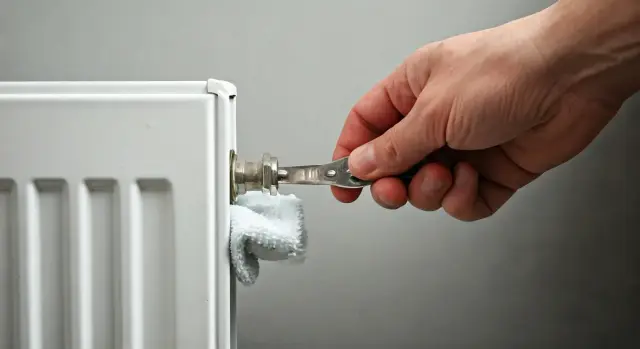
A cold spot on your radiator, particularly at the top, is a common sign of trapped air within your central heating system. This air prevents hot water from circulating effectively, leading to inefficient heating, higher energy bills, and a less comfortable home. Bleeding your radiators is a straightforward DIY task that can resolve this issue, improving your heating system's performance and potentially saving you money.
Why Bleed Your Radiators?
Over time, air can accumulate in your central heating system. This can happen for several reasons, including during system refills, minor leaks, or simply through the natural process of water heating and cooling. Air, being lighter than water, rises and gets trapped at the highest points within your radiators. When this happens, you'll typically notice:
- Cold spots: The top of the radiator feels cold while the bottom is warm.
- Gurgling noises: Sounds of water and air moving through the pipes or radiators.
- Reduced efficiency: Your heating system works harder to warm your home, but some rooms remain chilly.
By releasing this trapped air, you allow hot water to fill the entire radiator, ensuring it heats up evenly and efficiently.
Tools You'll Need
Before you begin, gather these essential items:
- Radiator Key: This small, square or winged key is specifically designed to fit your radiator's bleed valve. They are inexpensive, typically costing £1-£5, and available at most DIY stores. Do not be tempted to use pliers or other tools, as you risk damaging the valve.
- Old Cloth or Towel: To catch any drips of water.
- Small Container or Bowl: To collect any water that comes out, especially if you have several radiators to bleed.
- Gloves: Optional, but recommended, as the water can be dirty or hot.
Safety First
Bleeding radiators is generally safe, but always observe these precautions:
- Turn off your central heating system: This is crucial. Bleeding a radiator while the system is running can draw more air into the system and is less effective.
- Allow radiators to cool: Hot water can scald. Wait at least 30 minutes after turning off the heating for the radiators to cool down completely.
- Protect surfaces: The water that comes out can be discoloured or contain sludge, which can stain carpets or flooring.
- Do not force the valve: If the bleed valve is stuck, do not apply excessive force, as you could damage it.
How to Bleed a Radiator: Step-by-Step Guide
Follow these steps to bleed your radiators effectively:
Turn Off Your Heating System
Locate your boiler or thermostat and switch off your central heating. This stops the pump from circulating water and prevents air from being drawn back into the system.
Allow Radiators to Cool Down
Wait until all radiators are completely cool to the touch. This can take 30 minutes to an hour, depending on how long your heating was on.
Locate the Bleed Valve
The bleed valve is usually a small, round fitting with a square or slotted hole, located at the top corner of the radiator, opposite the thermostatic valve (the one you turn to adjust heat). Some older radiators might have a slightly different design.
Prepare for Water
Place your old cloth or towel on the floor directly beneath the bleed valve to catch any drips. Hold your small container or bowl underneath the valve opening.
Insert Radiator Key and Turn
Fit the radiator key into the bleed valve. Slowly turn the key anti-clockwise (usually a quarter to half a turn) until you hear a hissing sound. This is the trapped air escaping. Do not open the valve too much, as water will come out faster.
Wait for Water
Continue to let the air escape. Once the hissing stops and a steady stream of water begins to trickle out, you know all the trapped air has been released. The water might initially be discoloured.
Close the Valve
As soon as water consistently streams out, immediately turn the radiator key clockwise to close the valve tightly. Do not overtighten, but ensure it's snug enough to prevent leaks.
Check System Pressure
After bleeding all your radiators (it's best to start with the downstairs radiators and work your way up), check your boiler's pressure gauge. Bleeding radiators can cause a slight drop in system pressure. If the pressure is below the manufacturer's recommended level (typically between 1 and 1.5 bar when cold), you'll need to repressurise your boiler. Consult your boiler's manual for specific instructions on how to do this, as the process varies between models.
Turn Heating Back On and Re-check
Once you've bled all radiators and, if necessary, repressurised your boiler, turn your central heating system back on. Check each radiator again to ensure it heats up evenly across its entire surface. If any cold spots remain, you may need to repeat the bleeding process.
How Often Should You Bleed Radiators?
As a rough guide, it's a good idea to check your radiators for cold spots and gurgling noises at least once a year, ideally before the colder months set in. However, if you notice any of the signs of trapped air, don't hesitate to bleed them sooner.
When to Call a Professional
While bleeding radiators is a simple task, there are times when it's best to call in a professional plumber:
- Persistent Cold Spots: If, after bleeding, a radiator still has cold spots, particularly at the bottom, this could indicate a build-up of sludge in the system, requiring a power flush.
- No Air or Water Escapes: If you open the bleed valve and nothing comes out (no air, no water), there might be a blockage or a more serious system issue.
- Boiler Pressure Issues: If you're unable to repressurise your boiler or the pressure drops frequently, there could be a leak in the system or a boiler fault. Remember, any work on the internal components of a boiler or gas appliance must ONLY be carried out by a Gas Safe registered plumber.
- Lack of Confidence: If you're unsure at any step, or uncomfortable performing the task, it's always safer to rely on an expert. A plumber's call-out fee typically ranges from £70-£120 for a basic visit in 2026.
If you need help with persistent heating issues, you can quickly tell us your emergency. Understanding how FixDelivered works can give you peace of mind when seeking professional help.
Further Tips for Heating Efficiency
Once your radiators are bled, consider these additional steps to maximise your heating system's efficiency:
- Balance your radiators: This involves adjusting the lockshield valve on each radiator to ensure an even distribution of heat throughout your home. This is a more advanced DIY task, but guides are available.
- Insulate your home: Loft and cavity wall insulation can significantly reduce heat loss.
- Service your boiler annually: Regular servicing by a Gas Safe registered engineer ensures your boiler runs safely and efficiently.
Bleeding your radiators is a simple yet effective way to maintain an efficient and comfortable home. By following these steps, you can tackle cold spots and ensure your central heating system is working optimally. For other household issues, check out our plumbing emergency guides, and if you ever need a qualified professional, FixDelivered can connect you with emergency plumbers near you.
Frequently asked questions
How often should I bleed my radiators?
It's a good practice to check your radiators for cold spots and gurgling noises at least once a year, typically before the colder months. However, if you notice any signs of trapped air, bleed them as soon as possible.
What if no air or water comes out when I bleed a radiator?
If you open the bleed valve and nothing comes out, it could indicate a blockage, a completely air-locked system, or a more significant issue with your central heating. In this situation, it's best to consult a professional plumber.
What if water keeps coming out of the bleed valve?
If water continues to stream out without any air, it means all the trapped air has been released. Close the valve immediately. If water continues to flow after closing, the valve may be faulty and need replacement.
Can I bleed a radiator without a key?
While some people try to use pliers or a screwdriver for slotted valves, it's highly recommended to use a proper radiator key. Using incorrect tools can damage the valve, potentially leading to leaks or making it impossible to close properly. Radiator keys are inexpensive and widely available.
Why is my radiator cold at the bottom?
A radiator that is cold at the bottom but warm at the top usually indicates a build-up of sludge or debris within the radiator, rather than trapped air. This issue typically requires a professional power flush of your central heating system to resolve.
Need a plumber now? Tell us your emergency and FixDelivered will find and confirm an available local plumber near you, usually within the hour.
Written by the FixDelivered Team. Reviewed by Rupert Lowe, Editor. Last updated 2026-08-09.