Advice & guides › Prevention & Maintenance
Preventing Blocked Drains: Your 2026 UK Guide
By The FixDelivered Team · Updated 2026-08-13 · 6 min read
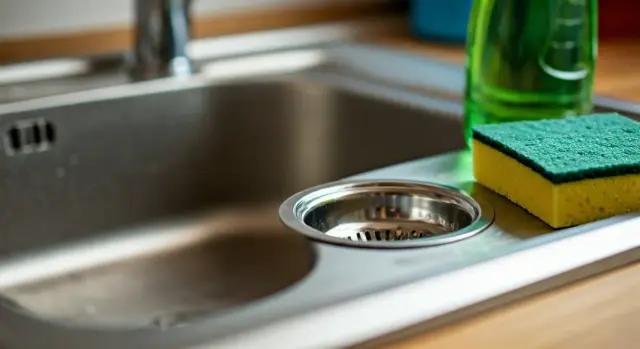
Blocked drains are a frustrating and often messy problem that most homeowners will encounter at some point. While some blockages require professional intervention, many can be prevented with simple habits and regular maintenance. Understanding the common culprits and adopting a proactive approach can save you time, money, and hassle. This 2026 UK guide will walk you through the best strategies to keep your drains flowing freely.
Common Causes of Blocked Drains
Drains can become blocked for a variety of reasons, depending on their location. Identifying the source is the first step towards prevention and resolution.
In the Kitchen
- Fats, Oils, and Grease (FOG): Often poured down the sink as liquids, FOG cools and solidifies in pipes, creating stubborn blockages that trap other debris.
- Food Scraps: Even small particles can accumulate over time, especially starchy foods like rice or pasta, which expand with water. Coffee grounds are also a common culprit.
- Detergent Residue: Some washing-up liquids can contribute to a sticky build-up inside pipes.
In the Bathroom
- Hair: A major cause of shower and bath drain blockages, hair combines with soap scum to form dense clogs.
- Soap Scum: The residue from soaps and shampoos can build up on pipe walls, narrowing the passage and catching hair and other debris.
- "Flushable" Wipes & Sanitary Products: Despite claims, most wipes do not break down adequately in pipes and can cause significant blockages, especially when combined with sanitary items.
- Dental Floss & Cotton Buds: These items are not biodegradable and can tangle together, forming obstructions.
External Drains & General Causes
- Leaves and Debris: Guttering and outdoor drains can become clogged with leaves, twigs, and general garden waste.
- Silt and Soil: Heavy rain can wash soil and silt into external drains, leading to blockages.
- Tree Roots: A more serious issue, tree roots can infiltrate pipes through tiny cracks, growing and eventually blocking the entire pipe.
Effective Prevention Strategies
Preventing blockages is far easier and cheaper than dealing with them. Incorporate these habits into your routine:
Kitchen Drain Prevention
- Scrape Plates Before Washing: Dispose of food scraps in the bin or compost. Use a sink strainer to catch any remaining particles.
- Never Pour FOG Down the Sink: Collect used cooking oils and grease in an old container (e.g., a jar or tin) and dispose of it in your general waste once cooled and solidified.
- Run Hot Water: After washing dishes, run hot water for a minute or two to help flush away any lingering grease or soap residue.
Bathroom Drain Prevention
- Use Drain Protectors: Install inexpensive mesh or silicone drain covers in showers and baths to catch hair and soap scum. Clean them regularly.
- Bin "Flushable" Wipes & Sanitary Items: The only things that should be flushed down a toilet are human waste and toilet paper. Everything else belongs in the bin.
- Regularly Flush with Hot Water: Once a week, run hot water down your bathroom drains for a few minutes to help dissolve soap scum.
General Drain Maintenance
- Perform a Monthly Drain Flush: For all household drains, pour a kettle of boiling water (be careful with PVC pipes, let it cool slightly if unsure) followed by a cup of baking soda, then a cup of white vinegar. Let it sit for 30 minutes to an hour, then flush with more hot water. This creates a fizzing action that can help break down minor build-ups.
- Avoid Chemical Drain Cleaners: While they might offer a quick fix, harsh chemical cleaners can damage your pipes over time and are hazardous to handle. They can also solidify further down the pipe, creating an even tougher blockage for a plumber to tackle.
- Maintain External Drains: Regularly clear leaves and debris from outdoor drains and guttering, especially in autumn.
DIY Fixes for Minor Blockages
If you have a minor blockage, a simple DIY approach might clear it.
Tools You'll Need:
- Plunger (cup-style for sinks, flange-style for toilets)
- Bucket
- Rubber gloves
- Baking soda and white vinegar (optional)
Step-by-Step Plunging Method:
- Clear the Area: Remove any standing water from the sink or bath using a cup and bucket.
- Seal the Overflow: For sinks and baths, block the overflow opening with a wet cloth or sponge to create a better seal for the plunger.
- Position the Plunger: Place the plunger firmly over the drain, ensuring a good seal. The base of the plunger should be submerged in water to work effectively.
- Plunge Vigorously: Push down and pull up sharply 15-20 times, maintaining the seal. The suction and pressure can dislodge the blockage.
- Check and Repeat: Remove the plunger and see if the water drains. If not, repeat the process.
Baking Soda and Vinegar Method (for minor clogs):
- Remove Standing Water: Clear as much water as possible from the drain.
- Pour Baking Soda: Pour about half a cup of baking soda directly down the drain.
- Add Vinegar: Follow with half a cup of white vinegar. You'll hear a fizzing sound.
- Wait: Let the mixture sit for at least 30 minutes, or even overnight for stubborn clogs.
- Flush: Flush the drain thoroughly with hot water.
When to Call a Professional
While DIY methods can be effective for minor clogs, there are times when professional help is essential. You should call a qualified plumber if:
- The blockage is severe: Water isn't draining at all, or is backing up significantly.
- Multiple drains are affected: This often indicates a deeper issue in your main drainage system.
- Foul odours persist: Strong, persistent smells can signal a serious blockage or even a sewer line problem.
- DIY methods fail: If plunging or natural cleaners don't work after a couple of attempts.
- You suspect a structural issue: Such as tree roots or a collapsed pipe.
Attempting to fix a major blockage yourself with harsh chemicals or improper tools can sometimes worsen the problem or damage your pipes, leading to more expensive repairs. A professional plumber has the right tools, such as drain snakes or CCTV inspection cameras, to diagnose and resolve complex blockages safely and effectively. If you're facing a stubborn blockage and need to find emergency plumbers near you, it's always best to call in the experts.
How FixDelivered Can Help
Dealing with a blocked drain can be stressful, especially when it's an emergency. FixDelivered connects you with qualified, local plumbers across the UK, quickly and efficiently. You can tell us your emergency, and we'll help you find a professional to get your pipes flowing again. Typically, a professional plumber might charge between £80-£150 for a standard drain unblocking, though complex issues could be more. The callout fee is agreed upfront, so you know exactly what to expect.
By following these prevention tips and knowing when to seek professional help, you can keep your drains clear and your home running smoothly. For more tips and advice, you can always check our plumbing emergency guides.
Frequently asked questions
How often should I clean my drains?
For maintenance, a monthly flush with baking soda and vinegar, followed by hot water, is recommended. Regular cleaning of drain protectors (in showers/baths) and sink strainers (in kitchens) should be done after each use or daily.
What is the best natural drain cleaner?
A combination of baking soda and white vinegar is generally considered the best natural and safe drain cleaner. It creates a fizzing reaction that helps to break down minor clogs and refresh drains without damaging pipes or posing health risks associated with harsh chemical products.
Can I pour boiling water down a drain?
Yes, pouring boiling water down drains can help melt grease and loosen minor clogs. However, be cautious with PVC pipes, as extremely hot water can potentially weaken or warp them over time. For PVC, let the water cool slightly after boiling before pouring.
How much does a plumber charge to unblock a drain in the UK (2026)?
As a rough guide for 2026, a plumber might charge between £80 and £150 for a standard drain unblocking in the UK. This can vary based on location, the complexity of the blockage, and whether it's an emergency call-out. More severe blockages requiring specialist equipment like CCTV inspection or high-pressure jetting could cost more.
Need a plumber now? Tell us your emergency and FixDelivered will find and confirm an available local plumber near you, usually within the hour.
Written by the FixDelivered Team. Reviewed by Rupert Lowe, Editor. Last updated 2026-08-13.