How to Safely Reset Your Boiler & Understand Fault Codes
By The FixDelivered Team · Updated 2026-08-10 · 5 min read
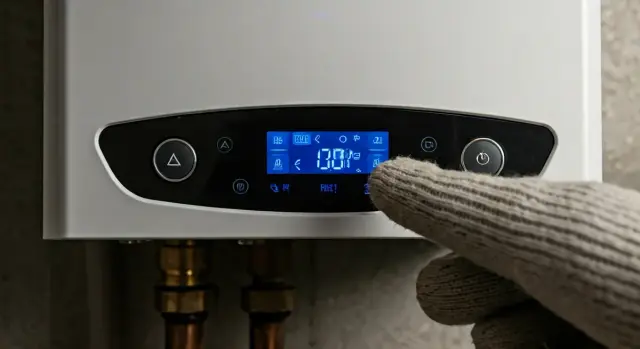
When your heating or hot water suddenly stops working, a flashing light or a cryptic code on your boiler's display can be alarming. Often, a simple reset can resolve temporary glitches, saving you the hassle and cost of an unnecessary callout. However, it's crucial to understand when a reset is appropriate and, more importantly, when it signals a deeper issue that requires a qualified professional.
When to Consider Resetting Your Boiler
A boiler reset is essentially like restarting your computer – it clears temporary errors and allows the system to re-initialise. You might consider resetting your boiler if:
- It's been without power: After a power cut or if you've deliberately switched it off for maintenance elsewhere.
- It's displaying a non-persistent fault code: Some codes are temporary warnings that resolve themselves or appear due to a minor, transient issue.
- Your boiler has recently been serviced or repaired: The engineer might have reset it, or you might need to if it trips shortly after.
- There's been a temporary interruption to your gas or water supply: Once restored, a reset can help it fire up again.
When NOT to Reset Your Boiler (and What to Check First)
Resetting a boiler without understanding the underlying cause can sometimes mask a serious problem or even be unsafe. Never repeatedly reset your boiler if a fault code persists, or if you notice any of the following:
- Smell of gas: This is an emergency. Turn off your gas supply at the meter, open windows, and call your gas emergency service provider immediately. Do NOT reset the boiler.
- Water leak: Turn off your water supply and switch off the boiler. A leak could indicate a damaged component.
- Strange noises: Banging, gurgling, or grinding sounds could indicate pump issues, air in the system, or other mechanical failures.
- No power to the boiler: Check your fuse box or trip switch before attempting a reset.
- Low system pressure: Many boilers display a specific fault code for low pressure. This usually requires repressurising the system, not just a reset. Consult your boiler manual for instructions on how to do this safely, or contact a Gas Safe registered plumber.
How to Safely Reset Your Boiler
If you've checked the points above and believe a reset is appropriate, follow these steps:
- Consult your boiler manual: Every boiler is different. Your manual will have specific instructions for your model, including the location of the reset button and what common fault codes mean.
- Locate the reset button: This is usually clearly labelled 'Reset' and may be a button or a dial position.
- Press and hold (or turn): For most modern boilers, you'll press and hold the reset button for 3-5 seconds. For older models, you might turn a dial to the 'Reset' position, hold it, and then turn it back.
- Wait and observe: The boiler will typically go through a restart cycle. Listen for the ignition and watch for the flame.
- Check the display: If the reset was successful, the fault code should clear, and the boiler should resume normal operation.
- Do not repeatedly reset: If the boiler immediately displays the same fault code or fails to ignite after one or two attempts, do not keep trying. This indicates a persistent problem that requires professional attention.
Understanding Common Boiler Fault Codes
Boiler fault codes are diagnostic messages designed to help identify issues. While codes vary significantly between manufacturers (e.g., Worcester Bosch, Vaillant, Baxi, Ideal), they often point to similar categories of problems.
Always refer to your specific boiler's manual for the exact meaning of a fault code. However, here are some common categories and what they typically indicate:
- Low Pressure (e.g., F1, E1, 224, F.22): This is one of the most common issues. Your boiler system's pressure gauge (usually on the front) should typically read between 1 and 1.5 bar when cold. If it's below 1 bar, the boiler may lock out to protect itself.
- Ignition Failure (e.g., A01, F.28, F.29, L2): The boiler tried to ignite but couldn't detect a flame. This could be due to a lack of gas supply, a faulty igniter, or a problem with the flame sensor.
- Overheat/High Temperature (e.g., E9, F.20, L1): The boiler's internal temperature has exceeded safe limits, often caused by poor circulation due to a faulty pump, blocked pipes, or a closed valve.
- Fan Fault (e.g., F.04, F.33, F.54): Problems with the fan that helps expel combustion gases.
- Sensor Fault (e.g., F.10, F.11, F.75): A component designed to measure temperature or pressure isn't providing a correct reading.
- Condensate Pipe Blockage (e.g., D5, F.27, F.71): For condensing boilers, the condensate pipe can freeze or become blocked, preventing the safe disposal of acidic water.
Remember, while these are common indicators, a fault code alone doesn't always pinpoint the exact component. It often requires a professional's diagnostic tools and expertise.
When to Call a Professional Gas Safe Engineer
Any work on the internal components of a gas boiler, including diagnosing and repairing fault codes, must only be carried out by a Gas Safe registered engineer. This is for your safety and to comply with UK law.
You should call a professional if:
- The fault code persists after one or two resets.
- You're unsure about the meaning of a fault code or how to address it.
- There are any signs of a gas leak, water leak, or unusual noises.
- Your boiler manual advises professional intervention for a specific code.
- You need assistance with repressurising your system and are uncomfortable doing it yourself.
Don't hesitate to get expert help. Leaving a boiler fault unaddressed can lead to further damage, inefficiency, or even dangerous situations. For urgent issues, you can quickly tell us your emergency at FixDelivered and we'll connect you with a qualified local plumber.
Preventative Maintenance
The best way to avoid unexpected boiler breakdowns and fault codes is through regular maintenance. An annual boiler service by a Gas Safe registered engineer can identify potential issues before they become major problems, ensuring your boiler runs efficiently and safely.
Need a Boiler Expert?
If your boiler is showing a persistent fault code or you're unsure how to proceed, don't risk it. FixDelivered can help you find a local plumber quickly. We connect you with qualified, local emergency plumbers who can diagnose and safely resolve your boiler issues, often on the same day. Learn more about how FixDelivered works and get your heating and hot water back on track.
Frequently asked questions
What does it mean when my boiler displays a fault code?
A boiler fault code indicates that your boiler has detected an internal issue or an operating condition that prevents it from running safely or efficiently. Each code corresponds to a specific problem, such as low pressure, ignition failure, or a sensor fault. Always refer to your boiler's manual for the exact meaning of the code displayed by your specific model.
Is it safe to reset my boiler multiple times?
No, it is not safe or advisable to repeatedly reset your boiler if a fault code persists. A reset should only be attempted once or twice for temporary glitches. If the boiler immediately locks out again or the fault code reappears, it indicates an underlying problem that requires investigation by a Gas Safe registered engineer. Continuous resetting can mask a serious issue or cause further damage.
When should I call a Gas Safe engineer for a boiler fault?
You should call a Gas Safe registered engineer immediately if you smell gas, notice a water leak, hear strange noises from your boiler, or if a fault code persists after one or two reset attempts. Any work on gas appliances must legally and safely be carried out by a qualified professional. If you're unsure about the cause of a fault or how to safely address it, always call an expert.
Can I fix a low-pressure fault myself?
Many low-pressure faults can be resolved by repressurising your boiler system, which is a task some homeowners can do themselves. Your boiler manual will contain specific instructions on how to locate the filling loop and increase the system pressure. However, if you are uncomfortable or unsure, or if the pressure drops repeatedly, it's best to contact a Gas Safe registered engineer to diagnose any potential leaks or underlying issues.
How much does a boiler repair typically cost in the UK?
The cost of a boiler repair in the UK can vary significantly based on the issue, boiler type, parts needed, and your location. As a rough guide for 2026, a plumber's call-out fee might range from £80-£120, with labour typically £50-£90 per hour. Simple repairs could be £150-£300, while more complex issues involving major component replacements (e.g., a new pump or PCB) could range from £400-£800 or more. Always get an upfront quote from a Gas Safe registered engineer.
Need a plumber now? Tell us your emergency and FixDelivered will find and confirm an available local plumber near you, usually within the hour.
Written by the FixDelivered Team. Reviewed by Rupert Lowe, Editor. Last updated 2026-08-10.