How to Unblock a Sink: Kitchen & Bathroom DIY Guide
By The FixDelivered Team · Updated 2026-08-09 · 6 min read
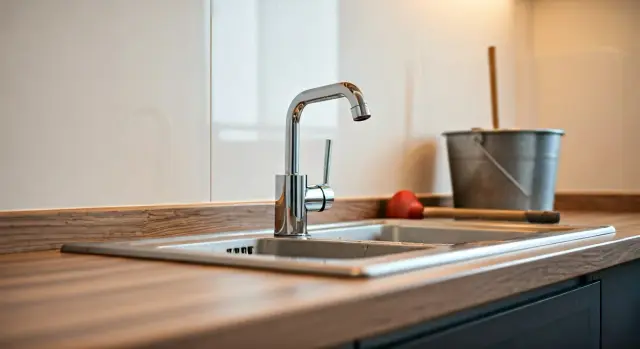
A blocked sink is one of the most common and annoying household plumbing issues, whether it's in your kitchen or bathroom. The good news is that many blockages can be resolved with a bit of DIY effort, saving you the cost and inconvenience of calling a professional plumber. This guide provides practical, step-by-step advice for UK homeowners on how to tackle common sink blockages safely and effectively in 2026.
Common Causes of Blocked Sinks
Understanding what causes a blockage can help you prevent future issues and choose the right unblocking method.
Kitchen Sinks
- Grease and Fat: When hot grease or fat is poured down the drain, it cools and solidifies, clinging to pipe walls and catching food particles.
- Food Particles: Coffee grounds, rice, pasta, vegetable peelings, and other small food scraps can accumulate and form stubborn clogs.
- Soap Scum: Over time, detergents and soap residues can build up, especially in pipes that also carry grease.
Bathroom Sinks
- Hair: The most frequent culprit. Loose hair combines with soap scum to form dense, waterproof blockages.
- Soap Scum: Like in the kitchen, soap and shampoo residues can accumulate and harden.
- Toothpaste and Dental Floss: Can contribute to blockages by adding to the gunk and catching other debris.
- Small Objects: Jewellery, cotton buds, or small toys accidentally dropped down the drain.
Safety First!
Before you begin, always prioritise safety:
- Protective Gear: Wear rubber gloves and eye protection, especially if dealing with standing water or using any cleaning agents.
- Avoid Chemical Drain Cleaners: We strongly advise against using harsh chemical drain cleaners. They can be highly corrosive, dangerous to handle, damage your pipes (especially older ones), and pose a risk to your health and the environment. They can also make a plumber's job harder and more hazardous if they later need to open the drain.
- Hot Water Caution: Be careful when handling boiling water to avoid scalds.
Tools You'll Need
Gather these items before you start:
- Rubber gloves and eye protection
- Plunger (cup-style for sinks)
- Bucket and old towels
- Adjustable wrench or basin wrench (for P-trap removal)
- Baking soda and white vinegar
- Drain snake (also known as a hand auger or plumber's snake)
- Flashlight
Step-by-Step Guide to Unblocking Your Sink
1. Initial Attempt: Hot Water & Washing Up Liquid
For minor grease blockages, this can often work wonders.
- Remove as much standing water from the sink as possible.
- Boil a kettle of water.
- Pour a generous amount (about half a cup) of washing up liquid directly down the drain.
- Slowly pour the hot (but not boiling, as extreme heat can damage some pipes) water down the drain.
- Let it sit for 20-30 minutes. The hot water helps to melt grease, and the washing up liquid acts as a lubricant.
- Flush with more hot tap water. Repeat if necessary.
2. The Plunger Method
A plunger creates suction that can dislodge blockages.
- Remove any drain stoppers or strainers.
- If there's no standing water, fill the sink with enough water to cover the rubber cup of the plunger.
- Place the plunger firmly over the drain, ensuring a good seal.
- Plunge vigorously for 20-30 seconds, maintaining the seal.
- Quickly pull the plunger off the drain.
- Repeat several times. If successful, you'll hear the water rush down.
3. Baking Soda and Vinegar
This natural remedy creates a fizzing reaction that can break down soft blockages.
- Remove as much standing water from the sink as possible.
- Pour one cup of baking soda directly down the drain.
- Follow with one cup of white vinegar.
- Immediately cover the drain with a stopper or cloth to contain the chemical reaction.
- Let it sit for 30 minutes to an hour. You'll hear fizzing as the reaction works.
- Flush thoroughly with hot (not boiling) tap water.
4. Using a Drain Snake (Auger)
For more stubborn blockages, a drain snake can physically break through or pull out obstructions.
- Feed the end of the snake into the drain opening.
- Push it down slowly until you feel resistance.
- Rotate the handle of the snake to extend it further and hook onto the blockage.
- Once you feel it has snagged something, slowly pull the snake back out.
- Clean any debris off the snake and repeat until the drain clears.
- Flush the drain with hot water.
5. Cleaning the P-Trap (Under the Sink)
The P-trap is the curved pipe directly beneath your sink, designed to hold water and prevent sewer gases from entering your home. It's also a common spot for blockages.
- Place a bucket directly underneath the P-trap to catch any water or debris.
- Use an adjustable wrench to loosen the slip nuts on both ends of the P-trap.
- Carefully remove the P-trap. Be prepared for water to spill out.
- Use a flashlight to inspect the P-trap and the drainpipes for any visible blockages. Manually remove any hair, grease, or debris.
- Clean the P-trap thoroughly, perhaps with an old brush or a coat hanger.
- Reattach the P-trap, ensuring the slip nuts are tightened securely (hand-tight plus a quarter turn with a wrench).
- Run water through the sink to check for leaks. Tighten further if needed.
When to Call a Professional
While DIY can solve many issues, some blockages require professional expertise. Don't hesitate to call a plumber if:
- DIY methods fail: You've tried all the above steps multiple times without success.
- Slow drainage persists: Even if some water drains, persistent slow drainage suggests a deeper, more stubborn blockage.
- Foul odours return: A lingering sewage smell often indicates a blockage that's festering.
- Multiple drains are blocked: If your sink, bath, or toilet are all showing signs of blockage, it could indicate a main sewer line issue, which requires professional equipment to resolve.
- Water is backing up elsewhere: This is a clear sign of a significant blockage further down the system.
A call-out fee for a professional plumber in the UK typically ranges from £80-£150, with hourly rates on top, often £50-£100 per hour, depending on location, complexity, and time of day (as a rough guide for 2026). If you're facing a stubborn blockage or multiple issues, you can tell us your emergency. For more immediate assistance, you can easily find emergency plumbers near you.
Preventative Measures
Prevention is always better than cure:
- Use Drain Strainers: Place mesh strainers over all your drains to catch hair and food particles.
- Scrape Plates: Scrape all food waste into the bin before washing dishes.
- Avoid Grease: Never pour cooking oil, fat, or grease down the sink. Let it cool and solidify, then dispose of it in your general waste bin.
- Regular Flushing: Once a week, flush your drains with hot water for a few minutes to help prevent buildup.
- Limit Hair: Brush hair before showering or bathing to minimise loose strands going down the drain.
Unblocking a sink can be a straightforward task, saving you time and money. However, if you find yourself needing professional help, FixDelivered can connect you with a qualified professional to find a local plumber quickly. To understand more about how we help, read how FixDelivered works and let us assist you in getting your drains flowing freely again.
Frequently asked questions
Can I use chemical drain cleaners to unblock my sink?
We strongly advise against using chemical drain cleaners. They are highly corrosive, dangerous to handle, can damage your pipes (especially older ones), and pose environmental risks. They can also make the situation worse or make a plumber's job more hazardous if they later need to intervene. Stick to mechanical methods or natural solutions like baking soda and vinegar.
How often should I clean my drains to prevent blockages?
To prevent common blockages, it's a good idea to perform some preventative maintenance weekly. Flushing drains with hot water for a few minutes, especially after washing up, can help. For a deeper clean, using the baking soda and vinegar method once a month can help keep pipes clear and fresh.
What's the difference between a kitchen and bathroom sink blockage?
Kitchen sink blockages are typically caused by a buildup of grease, fat, and food particles. Bathroom sink blockages are most commonly due to hair and soap scum. While the unblocking methods are similar, knowing the likely cause can help you target the problem more effectively, for instance, a drain snake is often more effective for hair in bathrooms.
Need a plumber now? Tell us your emergency and FixDelivered will find and confirm an available local plumber near you, usually within the hour.
Written by the FixDelivered Team. Reviewed by Rupert Lowe, Editor. Last updated 2026-08-09.