Washing Machine or Dishwasher Flood: First Steps UK
By The FixDelivered Team · Updated 2026-08-06 · 6 min read
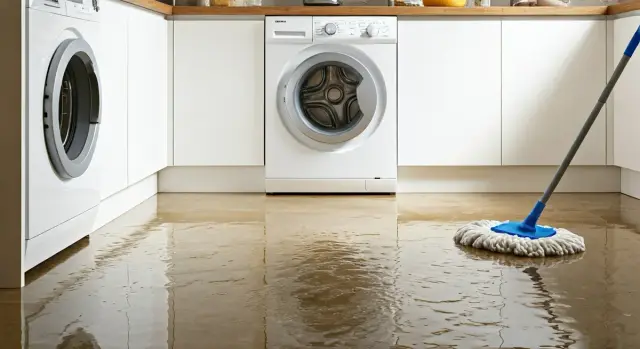
A sudden flood from your washing machine or dishwasher can be incredibly stressful, turning your kitchen into a chaotic scene in moments. Acting quickly and calmly is key to minimising damage and ensuring safety. This guide will walk you through the immediate steps to take if an appliance starts leaking, helping you to contain the problem and understand when to call in a professional.
Immediate Action: Stop the Flood and Ensure Safety
When faced with a kitchen flood, your first priority is always safety, followed by stopping the water flow. Water and electricity are a dangerous combination, so proceed with extreme caution.
- Cut the Power: This is paramount. If safe to do so, unplug the appliance directly. If the area around the plug is wet, or you cannot safely reach it, go to your fuse box (consumer unit) and switch off the circuit breaker for your kitchen or the entire house. Never touch electrical appliances or sockets with wet hands or if standing in water.
- Turn Off the Water Supply: Locate the water isolation valve for the leaking appliance. This is usually a small tap or lever on the pipework directly behind or next to the washing machine or dishwasher. Turn it clockwise until the water flow stops. If you can't find it or it's inaccessible, locate your home's main stopcock (often under the sink, in a utility room, or near the front door) and turn it off completely.
- Identify the Source (Carefully): Once power and water are off, try to quickly identify where the water is coming from. Is it a burst hose, a leaking door seal, or pooling underneath the machine? This information will be vital for diagnosis and repair.
Minimising Damage: Containment and Clean-Up
With the immediate danger and water flow addressed, your next step is to contain the existing flood and begin the clean-up process to prevent further damage.
Tools Needed for Containment and Clean-Up:
- Buckets and bowls
- Absorbent towels, old cloths, and mops
- Squeegee
- Torch or headlamp (to inspect dark areas)
- Rubber gloves
- Hairdryer or fan (for careful drying, only after power is confirmed off and area is safe)
Step-by-Step Damage Control:
- Contain the Spread: Use towels, old sheets, or even sandbags (if you have them) to create a barrier and stop the water from spreading to other rooms, especially those with wooden flooring or carpets.
- Scoop and Mop: Use buckets or a squeegee to remove as much standing water as possible. Follow up with mops and absorbent towels to dry the floor thoroughly.
- Move Affected Items: Carefully move any items that have been in contact with water – rugs, furniture, food items from lower cupboards – to a dry area. This helps prevent waterlogging and mould.
- Ventilate the Area: Open windows and doors to encourage air circulation. If safe, use fans or dehumidifiers to help dry out the space and prevent mould growth.
- Document the Damage: Take clear photos and videos of the flood and any damaged items. This will be crucial evidence if you need to make an insurance claim.
When to Call a Professional Plumber
While you can handle the immediate containment, many appliance leaks require professional attention. It's important to know when to call a plumber rather than attempting a repair yourself, which could worsen the problem or invalidate warranties.
- Unidentified Source: If you cannot determine where the water is coming from after a careful inspection.
- Internal Leak: If the leak appears to be from inside the appliance itself, rather than from the hoses or connections. This often requires specialist knowledge.
- Persistent Leak: If the leak continues even after you've tightened connections or taken initial steps.
- Significant Flooding: For large-scale floods that have caused extensive damage to flooring, cupboards, or walls.
- Electrical Concerns: If you suspect water has come into contact with electrical wiring or components beyond the appliance's plug.
- Damaged Hoses or Connections: While a simple loose connection might be tightened, a split hose or corroded valve should be replaced by a professional.
For fast access to qualified professionals, you can tell us your emergency. FixDelivered connects you with reputable, local plumbers quickly. If you're unsure or the leak is substantial, it's always best to contact an emergency plumber near you.
What a Plumber Can Do (and What an Appliance Engineer Does)
A plumber is typically your first call for appliance leaks. They specialise in water supply, drainage, and connections. They can:
- Inspect and replace faulty inlet or outlet hoses.
- Check and tighten water supply connections.
- Clear blocked appliance drain pipes (if accessible).
- Diagnose leaks from external valves or pipework.
For internal faults with the appliance itself, such as a broken pump, faulty drum seal, or electronic control issue, you might need a dedicated appliance repair engineer. However, a plumber can often diagnose if the problem is water-related or appliance-internal and advise on the next steps.
Typical Costs for a Plumber in 2026 (UK)
Costs can vary based on location, time of day (emergency call-out vs. standard hours), and the complexity of the job. As a rough guide for 2026:
- Emergency Call-Out Fee: Expect to pay £80-£150 for the plumber to attend, often including the first hour of labour.
- Hourly Rate: After the initial hour, rates typically range from £60-£90 per hour.
- Simple Fix (e.g., hose replacement): For a straightforward job like replacing a hose, you might be looking at £150-£300, including parts and labour.
- More Complex Diagnosis/Repair: If the issue is harder to trace or involves replacing internal plumbing components, costs could be higher, potentially £300+.
Contacting Your Home Insurance Provider
As soon as the immediate emergency is under control and you've documented the damage, contact your home insurance provider. They can advise you on your policy's coverage for accidental water damage and guide you through the claims process. Be prepared to provide them with your documentation (photos, videos).
Preventative Measures to Avoid Future Floods
Once the crisis is over, consider these steps to prevent future appliance floods:
- Inspect Hoses Regularly: Check inlet and outlet hoses for cracks, bulges, kinks, or leaks every 6-12 months. Replace any worn hoses proactively.
- Clean Filters: Regularly clean your washing machine's lint filter and your dishwasher's food trap to prevent blockages that can lead to overflows.
- Don't Overload: Avoid overloading your washing machine or dishwasher, as this can strain the appliance and its components.
- Check Connections: Periodically ensure all hose connections are secure and not corroded.
- Consider Flood Protection: Some smart home systems offer leak detection sensors that can alert you to water presence and even automatically shut off your main water supply. For more guidance on various plumbing issues, explore our plumbing emergency guides.
How FixDelivered Can Help
Dealing with an appliance flood is stressful enough without the added worry of finding a reliable plumber. FixDelivered takes the guesswork out of it, connecting you with qualified local plumbers quickly. Understanding how FixDelivered works can give you peace of mind, knowing that you can find a local plumber efficiently, with transparent pricing and upfront call-out fees agreed directly with the plumber.
Don't let a leak overwhelm you; get a plumber now and get your home back to normal.
Frequently asked questions
What's the very first thing I should do if my washing machine or dishwasher starts leaking?
Immediately cut the power to the appliance by unplugging it or switching off the circuit breaker at your fuse box. Then, turn off the water supply to the appliance using its isolation valve or your home's main stopcock. Safety first!
Can I fix an appliance leak myself?
For simple issues like a loose hose connection, you might be able to tighten it yourself after turning off the water and power. However, for internal leaks, damaged hoses, or if you can't identify the source, it's always best to call a professional plumber to avoid further damage or safety risks.
Will my home insurance cover a flood from an appliance?
Typically, most home insurance policies cover accidental water damage from internal leaks, including those from washing machines or dishwashers. However, coverage can vary, so it's crucial to contact your insurance provider as soon as possible after containing the flood to discuss your specific policy and claim process.
How much does a plumber cost for an appliance leak in the UK (2026)?
In 2026, you can expect an emergency plumber's call-out fee to be around £80-£150, often including the first hour of labour. Subsequent hours typically cost £60-£90. A simple fix like a hose replacement might total £150-£300, while more complex issues could be higher.
Need a plumber now? Tell us your emergency and FixDelivered will find and confirm an available local plumber near you, usually within the hour.
Written by the FixDelivered Team. Reviewed by Rupert Lowe, Editor. Last updated 2026-08-06.