Leaking Radiator? Stop the Drip & Fix It Safely
By The FixDelivered Team · Updated 2026-08-06 · 7 min read
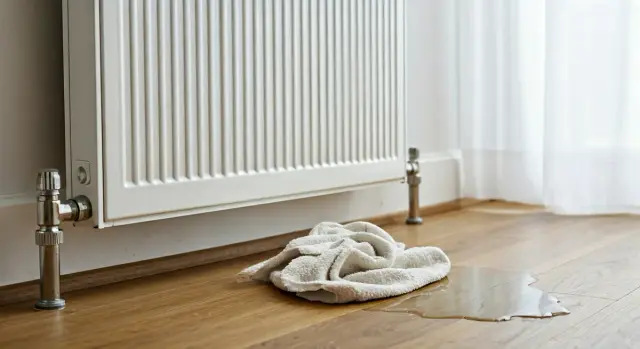
A leaking radiator is more than just an annoyance; it can lead to costly damage to your flooring, walls, and even structural elements of your home if not dealt with swiftly. Understanding why your radiator is leaking and what steps you can take – both immediate and long-term – is crucial. This guide will walk you through identifying the source of the leak, potential DIY fixes, and when it’s essential to call in a professional.
Immediate Action: Stop the Leak and Prevent Damage
The moment you notice a radiator leaking, your priority is to minimise water damage. Act quickly and calmly.
- Turn off your central heating: This reduces the pressure in the system and stops hot water from circulating, which can worsen the leak.
- Catch the water: Place a bucket, bowl, or old towels directly under the leak to collect the dripping water. You might need to change these frequently if the leak is substantial.
- Identify the source: Carefully inspect the radiator to pinpoint exactly where the water is coming from. This will help you decide on the next steps.
- Be cautious: Radiator water can be very hot, especially if the heating has just been on. Avoid direct contact and use gloves if possible.
Where is the Leak Coming From? Common Culprits
Before attempting any fix, you need to know where the water is escaping. Common leak points include:
- Radiator Valves: Both the thermostatic radiator valve (TRV) and the lockshield valve, where the pipes connect to the radiator. Leaks often occur around the spindle or the pipe connection.
- Bleeding Screw: The small screw at the top of the radiator used to release trapped air. If not tightened properly or if the washer is worn, it can drip.
- Pipe Connections: The nuts that connect the pipes to the radiator can loosen over time or have worn seals.
- Radiator Body: This is often the most serious type of leak, indicating corrosion or a manufacturing defect, usually appearing as a pinhole or crack in the radiator panel itself.
DIY Fixes for Common Radiator Leaks
For minor leaks from valves or bleeding screws, a DIY approach might suffice. However, always exercise caution and remember these are often temporary solutions.
Leaking Radiator Valve
Leaks from the valve spindle (the part that turns) or the pipe connection are often fixable.
Tools You'll Need:- Adjustable spanner or pipe wrench
- PTFE (Teflon) tape
- Bucket and old cloths
- Radiator key (if draining)
- Turn off heating and drain (if necessary): If the leak is from the pipe connection, you'll need to turn off your central heating, isolate the radiator (close both valves), and partially drain the system using a drain cock at the lowest point, or just the radiator itself if you're only working on that one radiator. If it's just the spindle, you might not need to drain fully.
- Tighten the gland nut: For leaks around the valve spindle, try gently tightening the gland nut (the small nut around the spindle) with an adjustable spanner. Do not overtighten, as this can damage the valve.
- Repack the gland: If tightening doesn't work, you might need to undo the gland nut and wrap some PTFE tape around the spindle before re-tightening. This acts as a new seal.
- Tighten pipe connection: For leaks at the pipe connection, gently tighten the large nut connecting the pipe to the valve. If it still leaks, you might need to undo the nut, wrap PTFE tape around the olive (compression fitting) on the pipe, and re-tighten.
If tightening doesn't stop the leak, if the valve is old, seized, or visibly damaged, or if you're uncomfortable with draining and refilling your heating system, it’s best to call a qualified plumber. Replacing a faulty valve typically costs between £150 and £300, including parts and labour in 2026.
Leaking Bleeding Screw
This is often the simplest leak to fix.
Tools You'll Need:- Radiator key
- PTFE (Teflon) tape
- Cloth
- Tighten the screw: Use your radiator key to gently tighten the bleeding screw. Sometimes, it just needs a quarter turn.
- Apply PTFE tape: If tightening doesn't work, unscrew the bleeding screw completely (ensure the heating is off and catch any water). Wrap a few layers of PTFE tape clockwise around the thread of the screw, then reinsert and tighten it.
If the screw is stripped, broken, or if the leak persists after applying PTFE tape, a professional plumber may need to replace the entire bleeding valve assembly. This is usually a quick and inexpensive fix for them.
Temporary Fixes for Radiator Body Leaks
If the leak is coming from the body of the radiator itself (a pinhole or crack), DIY fixes are generally temporary and should always be followed by a professional repair or replacement.
- Epoxy Putty: Clean and dry the area around the pinhole. Mix the two-part epoxy putty as directed and firmly press it over the leak. Allow it to cure fully. This can provide a strong, temporary seal.
- Radiator Repair Tape: Specialised waterproof tapes can be wrapped tightly around small leaks. Ensure the surface is clean and dry for best adhesion.
Important: These are stop-gap measures. A leak from the radiator body often indicates internal corrosion or damage, meaning the radiator's integrity is compromised. A long-term solution will be needed.
When to Call a Professional Plumber Immediately
While some minor leaks can be temporarily managed, there are clear signs that you need expert help. Don't hesitate to call a professional if:
- The leak is from the radiator body: Pinhole leaks or cracks mean the radiator is failing from the inside out.
- Your DIY attempts fail: If tightening or temporary fixes don't stop the leak, you risk further damage.
- You're unsure: If you're not confident in your ability to isolate, drain, or refill your heating system, or if you can't identify the source of the leak, it's safer to call an expert.
- The leak is near electrical sockets or appliances: Water and electricity are a dangerous combination.
- Any part of your boiler or gas system is involved: For anything related to your boiler's internal components or gas supply, you must contact a Gas Safe registered plumber. Never attempt to work on these yourself.
For urgent issues, you can quickly find emergency plumbers near you through FixDelivered.
Cost of Fixing a Leaking Radiator (2026 UK Guide)
The cost to fix a leaking radiator varies significantly depending on the nature of the leak, whether you do it yourself, and if professional help is required. Prices are rough guides for 2026 and can vary by region.
- DIY Fixes: Materials like PTFE tape, epoxy putty, or a radiator key are relatively inexpensive, typically under £20.
- Professional Plumber:
- Call-out fee: Expect to pay between £70 and £120 for a plumber's initial call-out.
- Hourly rate: Once on-site, plumbers usually charge £50-£90 per hour.
- Simple tightening/minor repair: For a quick fix like tightening a nut or replacing a bleeding screw, the total cost (call-out + labour) might be £100-£200.
- Valve replacement: If a radiator valve needs replacing, expect to pay £150-£300, covering the new valve and labour.
- Radiator replacement: If the entire radiator body is compromised, a new radiator (depending on size and type) plus labour for draining, removal, fitting, and refilling the system could cost £300-£600+.
Using a service like how FixDelivered works allows you to get upfront pricing and connect with qualified local plumbers quickly, ensuring you know the cost before work begins.
Preventing Radiator Leaks
While some leaks are unavoidable, regular maintenance can significantly reduce the risk:
- Bleed your radiators annually: Releasing trapped air prevents corrosion and ensures efficient heating.
- Add corrosion inhibitor: A qualified plumber can add inhibitor to your central heating system to protect against rust and sludge build-up, which are major causes of radiator body leaks.
- Regular servicing: An annual check of your central heating system by a professional can spot potential issues before they become major leaks.
Conclusion
A leaking radiator requires prompt attention to prevent further damage. While some minor issues can be tackled with a DIY approach, knowing when to call a professional is key. For serious leaks, or if you're simply unsure, don't hesitate to seek expert help. FixDelivered connects you with qualified local plumbers quickly, ensuring your radiator issues are resolved efficiently and safely.
If you have a leaking radiator and need immediate assistance, tell us your emergency or find a local plumber through FixDelivered today.
Frequently asked questions
How much does it cost to fix a leaking radiator in the UK?
In 2026, DIY fixes for minor leaks are typically under £20 for materials. For professional repairs, expect a call-out fee of £70-£120, plus hourly rates of £50-£90. A simple fix might cost £100-£200, while a valve replacement could be £150-£300, and a full radiator replacement £300-£600+.
Can I use sealant to fix a leaking radiator?
While internal radiator sealants are available, they are generally considered a temporary fix and can sometimes cause blockages in your heating system. For leaks from the radiator body, it's usually a sign of corrosion, and a professional repair or replacement is the recommended long-term solution over sealant.
When should I replace a leaking radiator instead of repairing it?
You should consider replacing a radiator if the leak is from the main body (indicating internal corrosion or a pinhole), if it's an old radiator prone to recurring leaks, or if the cost of repair (e.g., multiple valve replacements) approaches the cost of a new, more efficient unit. A professional plumber can advise on the best course of action.
Need a plumber now? Tell us your emergency and FixDelivered will find and confirm an available local plumber near you, usually within the hour.
Written by the FixDelivered Team. Reviewed by Rupert Lowe, Editor. Last updated 2026-08-06.