No Water From Taps: Causes & Your First Checks
By The FixDelivered Team · Updated 2026-08-05 · 6 min read
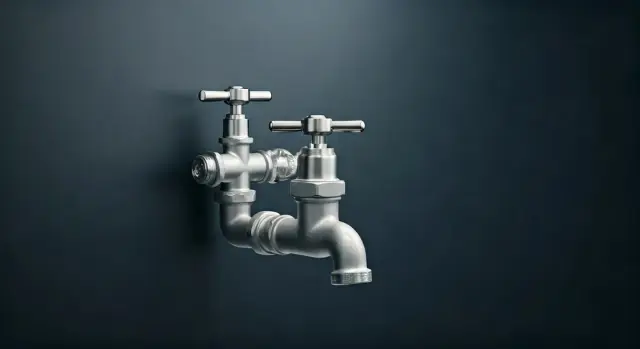
Waking up to no water coming out of your taps can be a frustrating and confusing start to the day. Whether it's just one tap, all taps, or only the hot water that's affected, pinpointing the cause quickly is key to resolving the issue. This guide will walk you through the most common reasons for a sudden loss of water supply in your UK home and provide clear, actionable steps you can take before needing to call a professional plumber.
Why is There No Water From My Taps? Common Causes
The problem of no water can stem from several sources, both outside and inside your property. Understanding these can help you diagnose the issue more efficiently.
External Water Supply Problems
- Local Supply Interruption: Your water supplier might be carrying out planned maintenance or dealing with an unexpected burst main in your area. This is a common reason for a complete loss of water to multiple properties.
- Burst Water Main: A significant burst main on your street or nearby can lead to a sudden and complete loss of water pressure or supply.
- Frozen External Pipes: During particularly cold weather, the main water pipe leading into your home from the street could freeze, blocking the supply.
Internal Plumbing Issues
- Main Stopcock is Closed: The main stopcock (also known as a stop tap) controls the entire water supply to your property. If it's accidentally or intentionally turned off, no water will reach your taps.
- Internal Isolation Valves are Closed: Individual appliances or sections of your plumbing system (e.g., under a sink, to a toilet, or an outdoor tap) often have their own isolation valves. If one of these is closed, it will only affect that specific outlet or area.
- Frozen Internal Pipes: Pipes in unheated areas like lofts, garages, or outside walls are susceptible to freezing in cold weather. This can block water flow to specific taps or sections of your home.
- Boiler or Hot Water Cylinder Fault: If you have cold water but no hot water, the issue almost certainly lies with your boiler, immersion heater, or hot water cylinder. For combi boilers, a fault can sometimes affect both hot and cold water if the system is designed that way, though this is less common.
- Air Lock: An air lock occurs when a bubble of air gets trapped in your plumbing system, blocking the flow of water. This typically affects specific hot water taps.
- Pressure Reducing Valve (PRV) Fault: Some homes have a PRV to manage water pressure. If this valve malfunctions, it can restrict or completely cut off your water supply. This is a job for a professional.
- Blocked Pipes or Filters: While less common for a complete loss of water to all taps, sediment or debris can sometimes block individual pipes or tap filters, causing low or no flow from that specific outlet.
Your Step-by-Step Troubleshooting Guide
Before you panic or call a plumber, follow these steps to narrow down the problem. You'll need a torch and perhaps an old towel or bucket.
- Check with Your Neighbours: This is often the quickest way to determine if the problem is confined to your property or if it's a wider issue. If your neighbours also have no water, it points towards an external supply problem.
- Contact Your Water Supplier: If neighbours are also affected, or even if they're not, check your local water utility company's website or social media channels. They often post updates on planned maintenance, burst mains, and supply interruptions.
- Locate and Check Your Main Stopcock:
Your main stopcock is usually located where the water pipe enters your property. Common locations include under the kitchen sink, in the downstairs toilet, in an airing cupboard, or sometimes in an outdoor meter box. Ensure it is fully open (turned anti-clockwise). If it was closed, opening it should restore your supply. If it's stiff, try gentle persuasion, but don't force it excessively as older stopcocks can be fragile.
- Check Internal Isolation Valves:
Look for smaller valves under sinks, behind toilets, or near appliances like washing machines and dishwashers. Ensure these are open. A quarter-turn lever valve should be parallel with the pipe to be open, and perpendicular to be closed. A traditional stopcock-style valve needs to be turned anti-clockwise to open.
- Inspect for Frozen Pipes:
During cold snaps, check any visible pipes in unheated areas for signs of ice (frost on the pipe, or a bulge). If you find a frozen section and no burst, you can try to thaw it gently. Use a hairdryer on a low setting, hot water bottles, or towels soaked in hot water. Never use a naked flame or high heat source as this can cause the pipe to burst or even start a fire. If you suspect a pipe has burst due to freezing, immediately turn off your main stopcock and call a plumber.
- If Only Hot Water is Affected:
If you have cold water but no hot water, the issue is with your hot water system. Check your boiler's display for error codes, ensure the power supply is on, and check the pressure gauge (if applicable). For hot water cylinders, check the immersion heater switch and thermostat. For any gas boiler issues, always contact a Gas Safe registered plumber. Do not attempt to fix a gas appliance yourself.
- Test Individual Taps:
Sometimes, the issue might be isolated to a single tap. Try turning on both the hot and cold water on various taps around your home. If only one tap is affected, it might have a blocked aerator (the mesh at the end of the spout) or a faulty internal component.
When to Call a Professional Plumber
If you've gone through all the troubleshooting steps and still have no water, or if you suspect a more serious issue like a burst pipe or a boiler malfunction, it's time to call in the experts. A qualified plumber can quickly diagnose complex problems and carry out necessary repairs safely and efficiently.
You should also call a professional if:
- You cannot locate or turn your main stopcock.
- You suspect a burst pipe, especially if you see water leaking or hear running water when all taps are off.
- You have tried thawing frozen pipes, but the water supply hasn't returned.
- There's no hot water and you suspect a boiler fault (especially for gas boilers).
- You're simply uncomfortable performing the checks yourself.
For urgent situations, FixDelivered can connect you with emergency plumbers near you quickly. Our platform helps you find qualified local plumbers who can attend to your needs, with the callout fee agreed upfront and paid directly to the plumber.
How FixDelivered Can Help
When you're facing a plumbing emergency like no water, time is of the essence. FixDelivered makes it easy to find a trusted, local plumber. Simply tell us your emergency, and we'll connect you with professionals in your area. You can learn more about how FixDelivered works and find a local plumber through our platform, ensuring you get your water supply restored with minimal fuss.
Frequently asked questions
Why is there no water coming out of my taps suddenly?
Common reasons for a sudden loss of water from your taps include a local water supply outage (e.g., burst main, planned maintenance), your main stopcock being closed, frozen pipes, or an issue with your hot water system if only hot water is affected.
What's the first thing I should check if I have no water?
The very first thing you should check is whether your neighbours also have no water. If they do, it points to a wider issue with your local water supply, and you should then check your water utility's website for updates.
Can a frozen pipe cause no water from taps?
Yes, frozen pipes are a common cause of no water from taps, especially during cold weather. Water inside a pipe can freeze and block the flow. If you suspect a frozen pipe, locate the frozen section and try to thaw it gently, but be prepared for a potential burst if the pipe has already fractured.
Why is there no hot water but cold water is working?
If you have cold water but no hot water, the problem is almost certainly with your hot water system. This could be a fault with your boiler (check for error codes, power supply, pressure), an immersion heater, or a hot water cylinder. For gas boiler issues, always contact a Gas Safe registered engineer.
How do I know if my water supplier has an outage?
You can check for water outages by visiting your local water utility company's official website, checking their social media channels (like X/Twitter), or calling their customer service line. They typically post updates on planned work and unexpected disruptions.
Need a plumber now? Tell us your emergency and FixDelivered will find and confirm an available local plumber near you, usually within the hour.
Written by the FixDelivered Team. Reviewed by Rupert Lowe, Editor. Last updated 2026-08-05.