Advice & guides › Prevention & Maintenance
Radiator & Heating Maintenance: Your UK Guide
By The FixDelivered Team · Updated 2026-09-25 · 7 min read
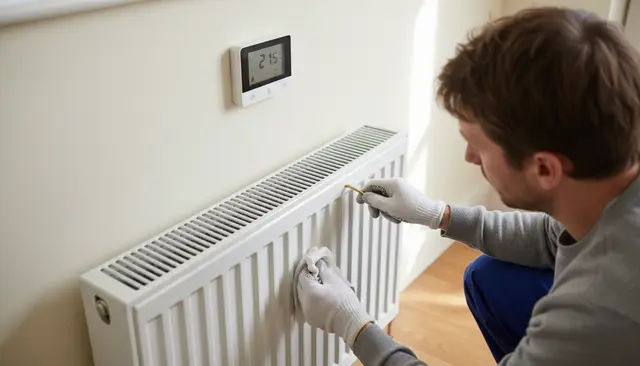
A well-maintained heating system is essential for a warm, comfortable, and energy-efficient home, especially during the colder months in the UK. Regular maintenance, including knowing how often to bleed radiators and ensuring your boiler receives its annual service, can prevent costly breakdowns, extend the life of your system, and keep your energy bills in check. This guide will walk you through the key aspects of radiator and heating system upkeep.
Why Radiator & Heating Maintenance Matters
Neglecting your heating system can lead to several problems, from cold spots in your home to complete system failure. Proactive maintenance offers significant benefits:
- Improved Efficiency: A properly functioning system uses less energy to heat your home, saving you money on bills.
- Extended Lifespan: Regular checks and servicing can identify minor issues before they become major, prolonging the life of your boiler and radiators.
- Consistent Comfort: Ensures your radiators heat evenly, eliminating cold spots and providing a consistent temperature throughout your home.
- Safety: Crucially, annual boiler servicing helps identify dangerous faults, particularly with gas boilers, protecting your household from carbon monoxide poisoning.
- Warranty Preservation: Many boiler warranties require annual servicing by a qualified professional to remain valid.
How Often Should You Bleed Radiators?
Bleeding a radiator means releasing trapped air from inside it. Air can prevent hot water from circulating effectively, leading to cold spots on the radiator, even when your heating is on. You should typically consider bleeding your radiators annually, ideally before the heating season begins in autumn, or whenever you notice signs of trapped air.
Signs Your Radiators Need Bleeding:
- Cold Spots: The top of the radiator is cold, but the bottom is warm.
- Gurgling Noises: You hear bubbling or gurgling sounds from your radiators or pipes.
- Slow to Heat Up: Radiators take a long time to warm up.
- Inefficient Heating: Your home isn't as warm as it should be, despite the heating being on.
DIY Guide: How to Bleed a Radiator
Bleeding a radiator is a straightforward task that most competent adults can do themselves. You'll need a few simple tools:
Tools You'll Need:- A radiator key (often found at hardware stores).
- A cloth or old towel (to catch any drips).
- A small container or bowl (for collecting water).
- Gloves (optional, for handling potentially hot water).
- Turn Off Your Heating: Ensure your central heating system is completely off and the radiators are cool to the touch. This prevents hot water from spraying out and allows air to settle at the top of the radiator.
- Locate the Bleed Valve: This is usually a small, square or slotted valve at the top corner of the radiator, opposite the temperature control valve.
- Prepare for Drips: Place your cloth or towel on the floor directly beneath the bleed valve and hold your small container underneath it.
- Insert the Radiator Key: Fit the radiator key into the valve.
- Turn the Key Slowly: Gently turn the key anti-clockwise. You should hear a hissing sound as air escapes.
- Wait for Water: Keep the valve open until the hissing stops and a steady stream of water starts to come out. This indicates all the trapped air has been released. Be careful, as this water can be dirty and slightly warm.
- Close the Valve: Quickly turn the radiator key clockwise to close the valve tightly. Do not overtighten.
- Repeat for All Radiators: Work your way around your home, bleeding each radiator. Start with radiators on the ground floor and move upwards if you have multiple levels.
- Check System Pressure: Once all radiators are bled, switch your heating back on. Check your boiler's pressure gauge. If the pressure has dropped significantly (typically below 1 bar), you'll need to repressurise your system according to your boiler's manual.
While bleeding radiators is simple, there are times when professional help is needed. If you've bled your radiators and they still have cold spots, if you notice persistent leaks from the valves, or if you're uncomfortable repressurising your system, it's best to tell us your emergency so we can connect you with a qualified plumber. They can diagnose underlying issues such as sludge build-up or problems with your central heating pump.
Annual Boiler & Heating System Servicing
Beyond bleeding radiators, the most critical aspect of heating maintenance is the annual service of your boiler and wider heating system. This is not just about efficiency; it's about safety.
Why Annual Servicing is Crucial:
- Safety First: For gas boilers, an annual service by a Gas Safe registered engineer is vital to check for dangerous carbon monoxide leaks and other hazards.
- Efficiency: Ensures your boiler is running at peak efficiency, which can significantly reduce your energy bills.
- Reliability: Helps prevent breakdowns, especially during peak demand in winter.
- Warranty: Most boiler manufacturers require an annual service to keep your warranty valid.
Who Should Service Your Boiler?
For gas boilers, it is a legal requirement and absolutely essential that only a Gas Safe registered plumber carries out any work, including servicing. Never attempt to service a gas boiler yourself or allow an unqualified individual to do so. For oil or LPG boilers, ensure your engineer is appropriately qualified and registered with the relevant body (e.g., OFTEC for oil).
What a Boiler Service Typically Involves:
During an annual service, a qualified engineer will typically:
- Visually inspect the boiler and its controls.
- Check the operating pressure and temperature.
- Examine the flue and ventilation to ensure they are clear and safe.
- Test the safety devices.
- Clean internal components if necessary.
- Check for leaks or corrosion.
- Provide a service report.
Cost of a Boiler Service:
As a rough guide for 2026, an annual boiler service in the UK typically costs between £80 and £120, depending on your location and the type of boiler. This is a small price to pay for safety and peace of mind.
Other Essential Heating Maintenance Tips
- Check System Pressure Regularly: Your boiler's pressure gauge should typically be between 1 and 1.5 bar when the system is cold. Refer to your boiler manual for specific instructions on how to check and repressurise if needed.
- Keep Radiators Clear: Avoid placing large furniture directly in front of radiators, as this can block heat circulation and make your system less efficient.
- Set Your Thermostat Wisely: Use a programmable thermostat to set different temperatures for different times of the day, ensuring your home is warm when you need it and cooler when you're out or asleep.
- Insulate Pipes: Lagging exposed pipes, especially in unheated areas like lofts or garages, can prevent heat loss and reduce the risk of freezing.
When to Call a Professional Plumber
While some maintenance tasks are DIY-friendly, others absolutely require a professional. You should always call a qualified plumber if you experience any of the following:
- Your boiler is not firing up, making strange noises, or has a fault code.
- There's a significant drop in system pressure that you can't resolve.
- You notice persistent leaks from radiators, pipes, or the boiler itself.
- Your heating system isn't providing adequate heat, even after bleeding radiators.
- Any concerns about gas leaks (smell of gas, carbon monoxide alarm sounding – evacuate immediately and call the National Gas Emergency Service).
- For annual boiler servicing.
When these issues arise, finding a reliable and qualified professional quickly is crucial. FixDelivered makes it easy to browse plumbers in your area, ensuring you get expert help when you need it most. For more detailed advice on various plumbing emergencies, you can always consult our plumbing emergency guides.
Conclusion
Regular radiator and heating maintenance is not just about keeping warm; it's about safety, efficiency, and saving money in the long run. By knowing how often to bleed radiators and committing to annual boiler servicing, you can ensure your home's heating system runs smoothly for years to come. Don't wait for a breakdown; be proactive with your home's heating health. If you ever find yourself facing a heating emergency or need an annual service, remember FixDelivered can connect you with emergency plumbers near you, ensuring peace of mind and a warm home.
Frequently asked questions
How often should I bleed my radiators?
You should typically bleed your radiators at least once a year, ideally before the heating season in autumn. However, if you notice cold spots on your radiators, gurgling noises, or that they are slow to heat up, you should bleed them as needed, regardless of the time of year.
What are the signs that my radiator needs bleeding?
The most common signs are cold spots at the top of the radiator (while the bottom is warm), gurgling or bubbling sounds coming from the radiator or pipes, and your radiators taking a long time to heat up or not heating your room effectively.
How much does a boiler service cost in the UK?
As a rough guide for 2026, an annual boiler service in the UK typically costs between £80 and £120. This price can vary depending on your location, the type of boiler, and the specific engineer or company.
Can I service my gas boiler myself?
No, absolutely not. For gas boilers, it is a legal requirement and essential for safety that only a Gas Safe registered engineer carries out any work, including servicing. Attempting to service a gas boiler yourself is extremely dangerous and could lead to carbon monoxide poisoning or other hazards.
Need a plumber now? Tell us your emergency and FixDelivered will find and confirm an available local plumber near you, usually within the hour.
Written by the FixDelivered Team. Reviewed by Rupert Lowe, Editor. Last updated 2026-09-25.