Advice & guides › Costs & Pricing
Repiping a House: UK Cost Guide 2026
By The FixDelivered Team · Updated 2026-08-29 · 5 min read
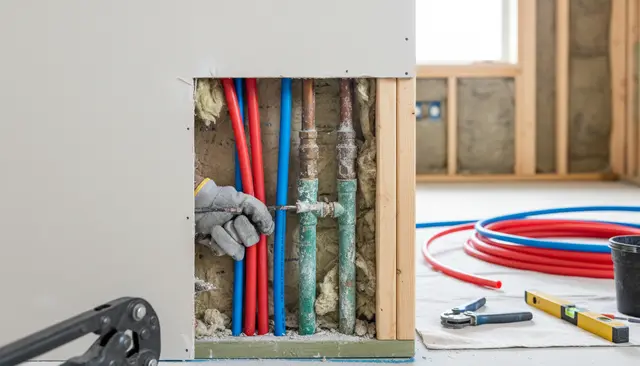
Repiping a house is a significant undertaking, involving the replacement of your entire hot and cold water supply and sometimes waste pipework. It's a job usually considered when a property's existing plumbing system is failing due to age, material degradation, or persistent issues. While it's a major investment, a full repipe can significantly improve water pressure, water quality, and the overall reliability of your home's plumbing.
What Does Repiping Mean?
Repiping, sometimes called a 'whole-house plumbing replacement', means installing entirely new water supply pipes from the mains stopcock throughout your property to all taps, showers, toilets, and appliances. In some cases, it can also include replacing the waste pipes. This process typically involves opening up walls, floors, and ceilings to access the old pipework and install the new.
Average Repiping Costs in the UK (2026)
The cost of repiping a house in the UK can vary considerably based on several factors, including the size of your property, the type of materials used, and your location. As a rough guide for 2026, you can expect the following ranges:
- Small Flat (1-2 bedrooms): Typically £3,500 - £7,000
- Medium House (2-3 bedrooms, 1-2 bathrooms): Typically £6,000 - £12,000
- Large House (4+ bedrooms, 2+ bathrooms): Typically £10,000 - £20,000+
These figures generally cover the plumbing labour and materials for the new pipework. They often do not include the cost of making good any damage to walls, floors, or ceilings (plastering, painting, re-tiling), which can add significantly to the overall project budget.
Key Factors Affecting Repiping Costs
Several variables will influence the final cost of replacing your pipes:
- Property Size and Layout: Larger homes with more bathrooms, kitchens, and complex layouts require more pipework and labour.
- Pipe Material: The most common choices are PEX (cross-linked polyethylene) and copper. PEX is generally less expensive for materials and quicker to install, making it a more cost-effective option. Copper is more durable and rigid but costs more per metre and takes longer to fit.
- Accessibility: If pipes are easily accessible (e.g., in basements or easily removable floorboards), the labour costs will be lower. If walls or ceilings need extensive opening up and making good, costs will rise.
- Geographical Location: Plumber rates can vary across the UK, with London and the South East typically having higher labour costs.
- Inclusion of Waste Pipes: Replacing waste pipes in addition to supply pipes adds to the complexity and cost.
- Heating System Integration: If the repipe involves any work on your boiler or gas central heating system, you will need a Gas Safe registered engineer. This can add to the overall cost, especially if a system flush or upgrade is also performed.
- Making Good: The cost of plastering, painting, tiling, and general redecoration after the plumbing work is complete is often a separate expense and can be substantial.
When is Repiping Necessary?
You might consider a full house repipe if you experience any of the following:
- Old Lead Pipes: If your home has lead pipes, replacement is highly recommended for health reasons.
- Galvanised Steel Pipes: These pipes corrode internally, leading to low water pressure, discoloured water, and frequent leaks.
- Frequent Leaks: If you're constantly calling out plumbers for burst pipes or persistent leaks, a full replacement may be more cost-effective in the long run.
- Low Water Pressure: Widespread low water pressure, especially in older homes, can indicate corroded or narrowed pipes.
- Discoloured or Odd-Tasting Water: Rust or other contaminants from old pipes can affect water quality.
- Major Renovation: If you're undertaking a significant renovation, it can be a good opportunity to replace old pipes while walls and floors are already open.
The Repiping Process
A professional repiping job typically follows these steps:
- Assessment and Quote: A qualified plumber will inspect your current system and provide a detailed quote.
- Planning: The plumber will plan the new pipe runs to minimise disruption and ensure efficient water delivery.
- Water Shut-off: The main water supply to your property will be temporarily shut off.
- Installation of New Pipes: New pipes (PEX or copper) are routed through walls, floors, and ceilings, connecting to all fixtures.
- Connection to Fixtures: All taps, showers, toilets, and appliances are connected to the new pipework.
- Pressure Testing: The new system is thoroughly pressure tested to check for any leaks.
- Water Restoration: The main water supply is turned back on, and the system is flushed.
- Making Good: This final stage involves repairing any damage to walls, floors, or ceilings, often carried out by a builder or decorator after the plumber has finished.
Choosing a Qualified Plumber for Repiping
Repiping is not a DIY job. It requires significant expertise, specialist tools, and adherence to building regulations. It's crucial to hire a highly experienced and reputable professional. When choosing a plumber:
- Ensure they are fully insured.
- Ask for references or examples of similar work.
- Obtain multiple detailed quotes.
- If any work involves your boiler, gas cooker, or any other gas appliance, the plumber MUST be Gas Safe registered. Never allow anyone without this certification to work on gas.
Finding a trustworthy and skilled plumber for a major job like repiping can be daunting. FixDelivered connects you with qualified local plumbers, making it easier to find a local plumber who can handle such a comprehensive project. You can also learn more about how FixDelivered works to give you peace of mind.
Conclusion
Repiping your house is a substantial investment that brings long-term benefits in terms of water quality, pressure, and peace of mind. While the initial cost to replace pipes can seem high, it addresses fundamental issues that can otherwise lead to ongoing repairs and potential property damage. Always engage qualified and experienced professionals for this critical home improvement. If you're ready to get quotes for a whole-house repipe, you can use FixDelivered to tell us your emergency or project needs and connect with local experts.
Frequently asked questions
How long does it take to repipe a house?
The duration depends on the size of the house and the complexity of the job. Typically, a small flat might take 3-5 days, a medium house 5-10 days, and a larger property 10-15 days or more. This timeframe usually doesn't include the 'making good' (plastering, painting) stage.
Can I live in my house during repiping?
It is often possible to live in your house during a repipe, but it will involve significant disruption. Your water supply will be periodically shut off, and there will be noise and dust. Many homeowners choose to make alternative arrangements, especially for larger jobs, to minimise inconvenience.
Is repiping covered by home insurance?
Generally, home insurance policies do not cover the cost of upgrading or replacing old, worn-out plumbing systems as part of routine maintenance or improvement. However, if a burst pipe from your existing system causes damage, the cost of repairing the damage (and sometimes the pipe itself if it's a specific incident) might be covered. Always check your specific policy details and speak to your insurer.
What's the difference between copper and PEX pipes?
Copper pipes are rigid, durable, and have been a traditional choice. They are more expensive for materials and labour. PEX (cross-linked polyethylene) pipes are flexible plastic, easier and quicker to install (reducing labour costs), more resistant to freezing, and generally less expensive overall. Both are suitable for potable water, but PEX has become increasingly popular for repiping projects due to its cost-effectiveness and ease of installation.
Need a plumber now? Tell us your emergency and FixDelivered will find and confirm an available local plumber near you, usually within the hour.
Written by the FixDelivered Team. Reviewed by Rupert Lowe, Editor. Last updated 2026-08-29.