Stop an Overflowing Toilet Fast & Clean Up Safely
By The FixDelivered Team · Updated 2026-08-04 · 7 min read
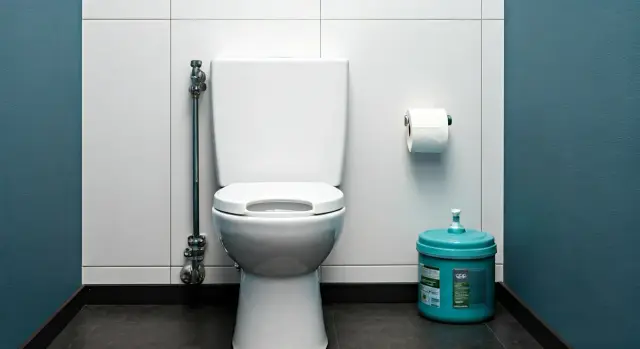
An overflowing toilet is one of the most alarming plumbing emergencies a homeowner can face. The sight of water spilling onto your bathroom floor can cause instant panic, but knowing what to do immediately can prevent significant water damage, costly repairs, and potential health hazards. This guide will walk you through the essential steps to stop an overflowing toilet, understand common causes, safely clean up the mess, and know when to call a professional plumber in the UK.
Act Fast: Immediate Steps to Stop the Overflow
Speed is critical when dealing with an overflowing toilet. Your primary goal is to stop the water flow as quickly as possible.
- Lift the Cistern Lid and Stop the Fill Valve: This is your first and fastest action. Remove the lid from the toilet cistern (the tank behind the bowl). Inside, you'll see a float mechanism. If it's a ballcock float, lift the float arm. If it's a vertical float cup, push down on the top of the fill valve assembly. This should immediately stop water from entering the bowl. Hold it in place while you move to the next step.
- Turn Off the Toilet's Water Supply: While still holding the fill valve, locate the isolation valve (also known as a stopcock or service valve) for the toilet. This is usually a small handle or knob on the pipe coming out of the wall or floor, connecting to the bottom of the cistern. Turn it clockwise until the water flow completely stops.
- Locate Your Home's Main Stopcock (if needed): If you can't find or turn the toilet's isolation valve, or if the water doesn't stop, you'll need to turn off the main water supply to your entire home. This is often located under the kitchen sink, in a downstairs toilet, or near your water meter outside. Turn it clockwise until the water supply is off.
- Assess the Situation: Once the water flow is stopped, take a moment to assess the extent of the overflow. Is it just clear water from the cistern, or does it contain waste? This will dictate your cleanup approach.
- Clear Visible Blockages (Carefully): If the bowl is still full but not overflowing, and you can see a visible blockage (e.g., a child's toy, excessive toilet paper), you might be able to carefully remove it with gloved hands. Do not try to flush again.
Understanding Why Your Toilet Overflowed
To prevent future occurrences, it's helpful to understand the common culprits behind an overflowing toilet:
- Severe Blockage: This is the most frequent cause. Too much toilet paper, sanitary products, wet wipes (even 'flushable' ones), or foreign objects can create a blockage in the trap or drain pipe, preventing water from draining away.
- Faulty Fill Valve/Float: The fill valve (or ballcock assembly) controls the water entering the cistern. If the float mechanism is set too high or is broken, it won't signal the fill valve to shut off, causing the cistern to overfill and water to spill into the overflow pipe and then the bowl.
- Damaged Flapper/Flush Valve: The flapper (or flush valve) at the bottom of the cistern opens to allow water into the bowl when you flush. If it doesn't seal properly, water can continuously leak into the bowl, eventually causing it to overfill if combined with a slow drain or faulty fill valve.
- Drainage System Issue: Less common but more serious, a blockage further down your main waste pipe or even in the sewer system can cause waste water to back up into your toilet, leading to an overflow. This is often accompanied by gurgling noises from other drains.
DIY Guide: Fixing Common Overflow Causes
Once the water is off, you might be able to fix simple issues yourself. Always wear rubber gloves when working with toilet water.
Tools Needed:
- Rubber gloves
- Old towels or rags
- Bucket
- Plunger (flange plunger is best for toilets)
- Screwdriver (for some cistern lids or fill valve adjustments)
- Bleach or disinfectant spray
Steps:
- Plunging a Blockage:
- Ensure there's enough water in the bowl to cover the plunger cup. If not, carefully add some from a bucket.
- Position the plunger firmly over the drain hole, creating a tight seal.
- Plunge vigorously with strong, consistent pushes and pulls for 15-20 seconds.
- Lift the plunger quickly to break the seal and check if the water drains.
- Repeat if necessary. If the water still doesn't drain after several attempts, do not continue flushing.
- Checking and Adjusting the Fill Valve/Float:
- With the cistern lid off, flush the toilet (ensure the water supply is back on first).
- Observe the float as the cistern refills. If it rises to the top but the water continues to fill past the overflow pipe, the float might be incorrectly set or the fill valve is faulty.
- Adjust the float: For a ballcock, bend the float arm downwards slightly. For a float cup, there's usually an adjustment screw or clip on the fill valve shaft to lower the float. The water level should stop about an inch below the top of the overflow pipe.
- If adjusting doesn't work, the fill valve itself might be faulty and need replacing.
- Inspecting the Flapper/Flush Valve:
- With the water supply to the toilet turned off and the cistern empty, examine the rubber flapper or flush valve seal at the bottom of the cistern.
- Look for signs of wear, cracks, or mineral build-up that prevent a good seal.
- Clean any grime or replace the flapper if it's damaged. This is a relatively straightforward DIY task, but ensure you buy the correct replacement part for your toilet model.
When to call a professional:
If you can't clear the blockage with a plunger, suspect a deeper drain issue, or are unsure about replacing internal cistern components, it's time to call a professional. Persistent gurgling from other drains or sewage backing up indicates a more serious problem requiring specialist equipment and expertise.
Cleaning Up Safely After an Overflow
An overflowing toilet can spread harmful bacteria. Proper cleanup is essential to prevent health risks.
- Protect Yourself: Always wear heavy-duty rubber gloves, eye protection, and ideally a face mask.
- Remove Standing Water: Use old towels, rags, or a wet/dry vacuum cleaner to absorb and remove all standing water from the floor and any affected surfaces. Dispose of contaminated towels in sealed bags.
- Clean and Disinfect: Mix a solution of 1 part bleach to 10 parts water, or use a strong household disinfectant. Thoroughly clean all surfaces that came into contact with the overflow water, including floors, skirting boards, and the outside of the toilet.
- Dry Thoroughly: Use fans, dehumidifiers, and open windows to ensure the area is completely dry. Moisture left behind can lead to mould growth. Check under flooring and behind skirting boards for hidden moisture.
- Sanitise Tools: Clean and sanitise any tools used during the cleanup process.
Preventing Future Toilet Overflows
- Flush Responsibly: Only flush human waste and toilet paper. Never flush wet wipes (even 'flushable' ones), sanitary products, cotton wool, dental floss, or excessive amounts of paper.
- Address Slow Drains: If your toilet flushes slowly or you hear gurgling, address it promptly. A slow drain is often a precursor to a blockage.
- Regular Checks: Periodically check your toilet's cistern for proper fill valve operation and ensure the flapper creates a good seal.
When to Call a Professional Plumber
While some overflowing toilet issues can be tackled DIY, many require the skill and tools of a qualified plumber. You should call a professional if:
- You cannot stop the water flow using the toilet's isolation valve or the main stopcock.
- The blockage is severe and cannot be cleared with a plunger.
- You suspect a problem with your main drainage system (e.g., sewage backing up, multiple drains affected).
- You're uncomfortable or unsure about diagnosing or repairing internal cistern components.
- The overflow has caused significant water damage that requires expert assessment and restoration.
For urgent plumbing issues like an overflowing toilet, you need a reliable professional fast. FixDelivered connects you with qualified local plumbers in the UK. You can tell us your emergency and we'll help you find an expert quickly. Learn more about how FixDelivered works and get access to emergency plumbers near you.
Need a Plumber Fast?
An overflowing toilet can cause significant stress and damage. Don't hesitate to seek professional help if the situation is beyond your DIY capabilities. FixDelivered makes it easy to find a trusted plumber when you need one most. For more helpful advice, browse our plumbing emergency guides.
Frequently asked questions
How much does it cost to fix an overflowing toilet in the UK?
Typically, a plumber's call-out fee for a standard fix like clearing a blockage might range from £80-£150, plus parts, in 2026. More complex issues involving drainage system problems or significant repairs could be £200-£400+, depending on the severity and time involved. Prices vary by region and urgency.
Is an overflowing toilet an emergency?
Yes, absolutely. An overflowing toilet is considered a plumbing emergency. It can cause significant water damage to your property, pose health risks due to contaminated water, and disrupt your household. Immediate action to stop the water and address the cause is crucial.
Can I use a chemical drain cleaner for an overflowing toilet?
It's generally not recommended to use chemical drain cleaners for an overflowing toilet. They are often ineffective against severe blockages, can damage pipes (especially older ones), and create hazardous fumes or splashes, particularly when mixed with standing water. A plunger or calling a professional plumber is safer and more effective.
What's the first thing I should do when my toilet overflows?
The very first thing you should do is immediately lift the cistern lid (the tank behind the bowl) and manually lift the float arm or push down on the fill valve mechanism to stop water from entering the bowl. Then, quickly turn off the water supply to the toilet using its isolation valve (stopcock) or your home's main stopcock if the toilet's valve isn't accessible or effective.
Need a plumber now? Tell us your emergency and FixDelivered will find and confirm an available local plumber near you, usually within the hour.
Written by the FixDelivered Team. Reviewed by Rupert Lowe, Editor. Last updated 2026-08-04.