Silence Noisy Pipes: Fix Water Hammer & Plumbing Knocking
By The FixDelivered Team · Updated 2026-08-11 · 7 min read
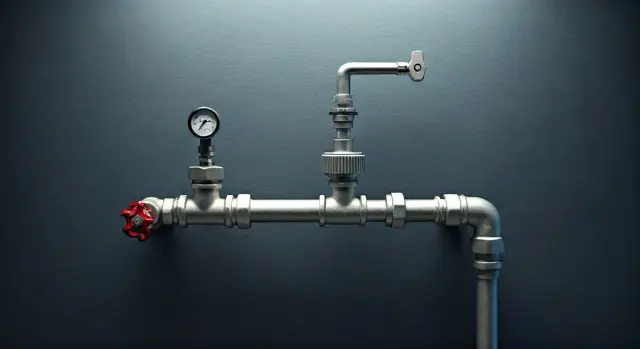
Pipes that bang, knock, or hum can be more than just an annoyance; they can signal underlying issues that could lead to costly damage if left unaddressed. From the sudden thud of "water hammer" to persistent vibrations, understanding the cause is the first step to a quiet and well-functioning plumbing system. This guide will help you diagnose common pipe noises in your UK home and provide practical steps to resolve them.
What is Water Hammer?
Water hammer is arguably the most common cause of loud banging in your plumbing. It occurs when water flowing rapidly through pipes is suddenly forced to stop or change direction, typically by a quick-closing tap, a washing machine solenoid valve, or a dishwasher. This abrupt stop creates a pressure wave, or shockwave, that travels back through the pipework, causing the pipes to vibrate violently against their fixings or surrounding structures. Over time, this repeated impact can weaken joints, connections, and even lead to leaks.
Other Causes of Noisy Pipes
While water hammer is a prime suspect, other issues can also make your plumbing sing (or groan) a noisy tune:
- Loose Pipes: Pipes that aren't properly secured can vibrate and knock against joists, walls, or other pipes as water flows through them. This is often noticeable when a tap is turned on or off.
- High Water Pressure: Excessive water pressure can exacerbate water hammer and generally increase the velocity of water, leading to more noise throughout the system.
- Air in the System: Trapped air can cause gurgling sounds, spitting from taps, and contribute to banging as water tries to push it through. This is common after plumbing work or if your system has been drained.
- Boiler and Heating System Noises: Sounds like kettling, humming from the pump, or expansion noises can originate from your central heating system. Kettling, a rumbling sound, is often due to limescale build-up in the heat exchanger. For any gas-related boiler issues, you must always call a Gas Safe registered plumber.
- Trapped Air in Hot Water Cylinders: When the hot water system heats up, air can become trapped, leading to expansion noises.
DIY Fixes for Noisy Pipes
Before calling a professional, there are several checks and fixes you can attempt yourself. Always ensure you have the right tools and prioritise safety.
1. Drain the System to Clear Trapped Air
This is a common solution for water hammer and general gurgling caused by air pockets.
Tools You'll Need:- Bucket
- Towels
- Adjustable spanner (if needed for draincocks)
- Turn off your mains water supply at the stopcock (usually under the kitchen sink or where the main pipe enters your home).
- If you have a hot water cylinder, turn off the immersion heater or boiler to prevent it from heating an empty tank.
Step-by-Step Guide:
- Turn off your mains water supply. Locate your main stopcock and turn it fully clockwise until the water flow stops.
- Drain the cold water system. Open all cold taps in your house, starting with the highest ones (e.g., upstairs bathroom) and working your way down to the lowest (e.g., downstairs toilet, outside tap). Allow them to run until no more water comes out.
- Drain the hot water system. Open all hot taps, again starting from the highest. This will drain the hot water cylinder. If your system has a draincock on the hot water cylinder, you can open this for a faster drain.
- Wait. Give the system 15-30 minutes to fully drain and allow any trapped air to escape.
- Close all taps. Ensure every tap in your house is fully closed.
- Re-open the mains water supply. Slowly turn the main stopcock anti-clockwise to refill the system. Listen for the sound of water filling the pipes.
- Bleed the air out. Once the water supply is fully open, go to the lowest tap in your house and slowly open the cold side. Let it run until the water flows smoothly without spitting. Repeat this for all cold taps, working your way up to the highest. Then do the same for the hot taps.
- Check for noise. Once the system is refilled and all air is bled, turn taps on and off to see if the banging or gurgling has stopped.
When to Call a Professional:
If draining the system doesn't resolve the issue, or if you have a complex unvented hot water system, it's best to call an emergency plumber near you.
2. Secure Loose Pipes
Loose pipework is a common culprit for knocking noises.
Tools You'll Need:- Pipe clips or clamps (various sizes, typically £5-£15 for a pack)
- Screwdriver or drill
- Pipe insulation (foam lagging, typically £10-£20 for a roll)
- Be careful in confined spaces.
- Ensure pipes are not hot if working near a boiler or hot water cylinder.
Step-by-Step Guide:
- Identify the source. Listen carefully to pinpoint where the knocking or vibrating is coming from. This might involve checking under sinks, in airing cupboards, in basements, or along pipe runs in accessible areas.
- Check existing fixings. Look for pipes that are not securely fastened to joists or walls, or where old clips are loose or broken.
- Add new clips. Use appropriately sized pipe clips to secure any loose sections of pipe. Ensure they are tightened sufficiently to hold the pipe firmly without crushing it. Aim for clips every 1-1.5 metres on horizontal runs and every 2-2.5 metres on vertical runs.
- Insulate pipes. If pipes are knocking against each other or against a solid surface, wrap them with foam pipe insulation. This provides a cushioning effect and can significantly reduce noise.
When to Call a Professional:
If the noisy pipes are in inaccessible locations (e.g., behind plasterboard walls, under floorboards you can't lift), you may need a plumber to expose and secure them.
3. Check and Adjust Water Pressure
High water pressure can contribute to water hammer and general pipe noise.
Tools You'll Need:- Water pressure gauge (can be bought for £10-£30)
Step-by-Step Guide:
- Measure pressure. Attach a water pressure gauge to an outside tap or a washing machine connection point. Turn on the tap fully and note the reading. Ideal household pressure is typically between 2.5 and 3.5 bar (around 35-50 psi). Anything consistently above 4-5 bar is considered high.
- Identify the problem. If your pressure is consistently high, this could be a contributing factor to your noisy pipes.
When to Call a Professional:
If your water pressure is too high, a plumber can install a Pressure Reducing Valve (PRV) on your main incoming water supply. This is a job for a qualified professional as it involves working on the main supply and ensuring correct sizing and installation. You can find a local plumber through FixDelivered to help with this.
4. Consider Water Hammer Arrestors
For persistent water hammer near specific appliances (like washing machines or dishwashers) that have quick-closing valves, a water hammer arrestor can be a highly effective solution.
What they are:These are small devices, typically cylindrical, containing a piston and an air cushion. When the water flow stops suddenly, the pressure wave is absorbed by compressing the air cushion, preventing the pipe from banging.
When to Call a Professional:
While you can buy water hammer arrestors (typically £30-£80 each), their installation usually requires cutting into the pipework and fitting them correctly. This is best left to a qualified plumber to ensure a secure, leak-free installation.
When to Call a Professional Plumber
While many pipe noise issues can be tackled with DIY methods, some situations require the expertise of a professional:
- Persistent Noise: If you've tried the above steps and the noise continues, there might be a more complex underlying issue.
- Inaccessible Pipes: If the source of the noise is behind walls, under floors, or in other hard-to-reach areas, a plumber has the tools and experience to access and fix them with minimal disruption.
- High Water Pressure: Installing a PRV requires professional knowledge and tools.
- Gas Boiler/Heating System Issues: Any noise originating from your gas boiler or central heating system (beyond simple radiator bleeding) must be investigated by a Gas Safe registered plumber. Never attempt to fix these yourself.
- Leaks: If noisy pipes are accompanied by any signs of leaks, call a plumber immediately to prevent further damage.
If you're facing a plumbing emergency or need help diagnosing and fixing persistent pipe noises, FixDelivered can help you find a qualified emergency plumber near you quickly. Our platform simplifies the process, allowing you to tell us your emergency and get connected with local experts. You can also learn more about how FixDelivered works.
Frequently asked questions
What is water hammer?
Water hammer is a loud banging or knocking sound in your pipes caused by the sudden stopping or changing direction of water flow, often triggered by quick-closing taps or appliance valves.
Can noisy pipes cause damage?
Yes, over time, the repeated impact from water hammer or constant vibration from loose pipes can weaken pipe joints, connections, and fixtures, potentially leading to leaks or bursts.
How much does it cost to fix noisy pipes in the UK?
DIY fixes can cost as little as £10-£50 for parts like pipe clips or insulation. If a professional plumber is needed, typical call-out fees in 2026 range from £80-£120 for the first hour, plus materials and additional labour, depending on the complexity of the job (e.g., installing a PRV or water hammer arrestor).
Do I need a professional for all noisy pipe issues?
Not always. Simple issues like trapped air or loose, accessible pipes can often be fixed with DIY methods. However, for persistent problems, high water pressure, inaccessible pipes, or any issues related to gas appliances, it's always best to call a qualified plumber.
Need a plumber now? Tell us your emergency and FixDelivered will find and confirm an available local plumber near you, usually within the hour.
Written by the FixDelivered Team. Reviewed by Rupert Lowe, Editor. Last updated 2026-08-11.