Advice & guides › Prevention & Maintenance
Prevent Frozen Pipes: UK Winter Plumbing Guide
By The FixDelivered Team · Updated 2026-08-12 · 7 min read
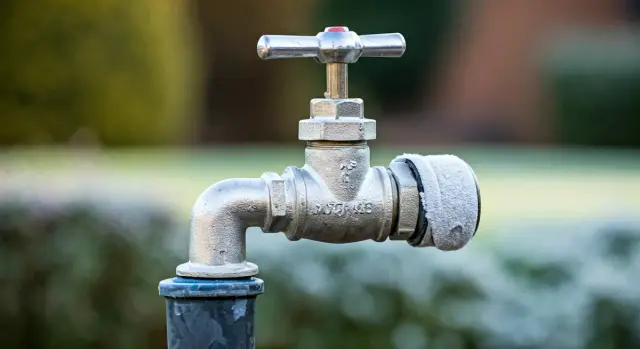
Winter in the UK brings beautiful scenery, but it also brings the risk of frozen and burst pipes. A burst pipe can cause significant damage to your home, leading to costly repairs and extensive disruption. Fortunately, with a few proactive steps, you can significantly reduce the risk and ensure your plumbing system remains safe and sound throughout the colder months.
Why Do Pipes Freeze and Burst?
When water freezes, it expands. If this happens inside a pipe, the expanding ice creates immense pressure. This pressure can cause the pipe to split, leading to a burst. While often associated with external pipes, internal pipes in unheated areas like lofts, basements, or even under sinks can also freeze if temperatures drop sufficiently, especially if they're close to external walls.
Essential Steps to Prevent Frozen Pipes
1. Insulate Your Pipes (Lagging)
Insulating exposed pipes is one of the most effective ways to prevent freezing. This is especially important for pipes in unheated areas like lofts, garages, and outside walls. You can do this yourself with readily available pipe insulation.
DIY Pipe Lagging GuideTools & Materials Needed:
- Foam pipe insulation (various diameters available at DIY stores)
- Measuring tape
- Sharp utility knife or scissors
- Duct tape or cable ties (optional, for extra security)
- Safety gloves (optional)
Step-by-Step Instructions:
- Identify Vulnerable Pipes: Walk around your home and locate any exposed pipes in unheated areas. Common spots include lofts, garages, utility rooms, under kitchen sinks, and pipes leading to outdoor taps.
- Measure Your Pipes: Measure the length of each pipe section you intend to insulate. Also, note the pipe's diameter to ensure you buy the correct size of insulation.
- Purchase Insulation: Buy pre-slit foam pipe insulation. It's designed to wrap around pipes easily. Choose insulation with an appropriate thickness for your climate – thicker is better for very cold areas.
- Cut to Size: Using your utility knife or scissors, cut the insulation to the required lengths. Ensure neat cuts for a snug fit.
- Fit the Insulation: Open the pre-slit insulation and fit it around the pipe. Press the edges firmly together to create a seal.
- Secure (Optional): For added security, especially on vertical pipes or in high-traffic areas, you can wrap duct tape around the insulation seams or use cable ties at intervals.
- Insulate Fittings: Don't forget elbows, T-junctions, and other fittings. You can cut and shape smaller pieces of insulation to cover these, securing them with tape.
- Check for Gaps: Ensure there are no gaps where cold air can reach the pipe. Any exposed section is a potential weak point.
While DIY pipe lagging is straightforward, consider calling a professional if:
- You have complex pipework that is difficult to access or insulate effectively.
- You are unsure about identifying all vulnerable pipes, especially in older or unusually configured homes.
- You need to insulate your hot water cylinder or cold water storage tank in the loft, as proper insulation is crucial for efficiency and safety.
2. Keep Your Heating On
Even if you're away or trying to save money, leaving your heating off completely during very cold spells is a false economy. Set your thermostat to a minimum temperature, typically around 10-12°C, to keep your pipes from freezing. Many modern boilers have a 'frost protection' setting that will automatically activate if the temperature drops too low.
3. Insulate Your Loft and Water Tanks
Ensure your loft insulation is adequate, especially around the cold water storage tank (if you have one) and any exposed pipework up there. The tank itself should also be lagged. A well-insulated loft will help protect pipes from freezing temperatures.
4. Deal with Outdoor Taps
Before winter sets in, turn off the water supply to any outdoor taps. There's usually an isolation valve inside your home, often under the kitchen sink or near the main stopcock. Once the water is off, open the outdoor tap to drain any remaining water from the pipe. If you don't have an isolation valve, consider fitting an insulated cover over the tap.
5. Locate Your Main Stopcock
Knowing the location of your main stopcock is crucial. In the event of a burst pipe, turning off the water supply immediately can minimise damage. Typically, it's under the kitchen sink, in a downstairs WC, or near the water meter outside your property.
6. Regular Boiler Servicing
A reliable heating system is your first line of defence against frozen pipes. Ensure your boiler is serviced annually by a Gas Safe registered plumber to keep it running efficiently and reliably throughout winter. This also helps prevent unexpected breakdowns when you need heat the most.
What to Do if Your Pipes Freeze (But Haven't Burst)
If you suspect a pipe has frozen (e.g., no water from a tap, visible ice on a pipe), act quickly but carefully:
- Turn Off Your Main Stopcock: This prevents potential flooding if the pipe bursts during thawing.
- Open the Affected Tap: Open the tap connected to the frozen pipe. This allows water to flow out as the ice melts and relieves pressure.
- Gentle Thawing: Gently warm the frozen section of the pipe. You can use a hairdryer on a low setting, hot water bottles, or towels soaked in warm water. Never use a blowtorch, boiling water, or any direct, intense heat source, as this can cause the pipe to burst.
- Be Patient: Thawing can take time. Once water starts flowing, keep the tap open for a while to ensure the pipe is fully clear.
- Inspect for Damage: Once thawed, carefully check the pipe for any cracks or leaks.
When to Call a Professional
If you cannot locate the frozen section, the pipe is difficult to access, or you are unsure about safely thawing it, it's best to call a professional. An emergency plumber has the right tools and expertise to safely thaw pipes and check for hidden damage.
What to Do if a Pipe Bursts
A burst pipe is an emergency that requires immediate action:
- Turn Off Your Main Stopcock IMMEDIATELY: This is the most crucial step to stop the flow of water and limit damage.
- Turn Off Your Heating System/Boiler: If water has leaked near electrical components, turn off your boiler or central heating system at the fused spur or programmer. If in doubt, turn off your home's electricity at the consumer unit (fuse box).
- Contain the Water: Use buckets, towels, and mops to contain and absorb as much water as possible.
- Call for Help: Once the immediate danger is contained, call an emergency plumber near you.
FixDelivered connects you with qualified local plumbers quickly. If you're facing a burst pipe or need urgent assistance, you can tell us your emergency and we'll help you find a professional fast. Our booking fee is refundable if no plumber is found, and the plumber's callout fee is agreed upfront.
Final Preparations for Winter
Taking these preventative steps now can save you a lot of hassle, stress, and expense later. A little preparation goes a long way in protecting your home from the damaging effects of frozen and burst pipes. For more helpful advice, you can always check our plumbing emergency guides.
How Much Does it Cost to Fix a Burst Pipe?
The cost of fixing a burst pipe in the UK can vary significantly depending on the severity of the burst, its location, and the extent of water damage. As a rough guide for 2026:
- Emergency Call-Out Fee: An emergency plumber's initial call-out fee typically ranges from £80 to £150, which may include the first hour of labour.
- Simple Repair: For a straightforward repair (e.g., a visible burst section of copper pipe), you might expect to pay between £150 and £300, including parts and labour.
- Complex Repair: If the burst is in an inaccessible location (e.g., under floorboards, behind walls) or involves significant water damage, the costs can quickly rise to £400-£800 or more, especially if multiple trades (e.g., plasterers, decorators) are required for remediation.
It's always best to get a clear quote from the plumber before any major work begins. Remember, the cost of prevention is always much lower than the cost of repair.
Need an Emergency Plumber?
If you're facing a plumbing emergency, don't hesitate to get a plumber now through FixDelivered. We make it easy to connect with qualified professionals in your area.
Frequently asked questions
What temperature should I set my thermostat to prevent pipes freezing?
During cold spells, it's advisable to set your thermostat to a minimum of 10-12°C, especially if you're away. This keeps your home warm enough to prevent pipes from freezing without excessive heating costs.
Can I use boiling water to thaw a frozen pipe?
No, you should never use boiling water or a blowtorch to thaw a frozen pipe. The sudden change in temperature can cause the pipe to crack or burst. Always use gentle heat sources like a hairdryer on a low setting, hot water bottles, or towels soaked in warm water.
Where is my main stopcock usually located?
Your main stopcock is typically located under the kitchen sink, in a downstairs toilet, or sometimes in a utility room. For flats, it might be in a communal area or a service cupboard. It's crucial to know its exact location in case of a burst pipe emergency.
How much does it cost to fix a burst pipe in the UK?
As a rough guide for 2026, fixing a burst pipe can range from £150 for a simple, accessible repair to £400-£800+ for more complex issues involving hidden pipes or significant water damage, including the plumber's call-out fee. Prevention is always cheaper than repair.
Need a plumber now? Tell us your emergency and FixDelivered will find and confirm an available local plumber near you, usually within the hour.
Written by the FixDelivered Team. Reviewed by Rupert Lowe, Editor. Last updated 2026-08-12.