Advice & guides › Costs & Pricing
Cost to Fit a New Toilet UK 2026: Full Guide
By The FixDelivered Team · Updated 2026-09-28 · 7 min read
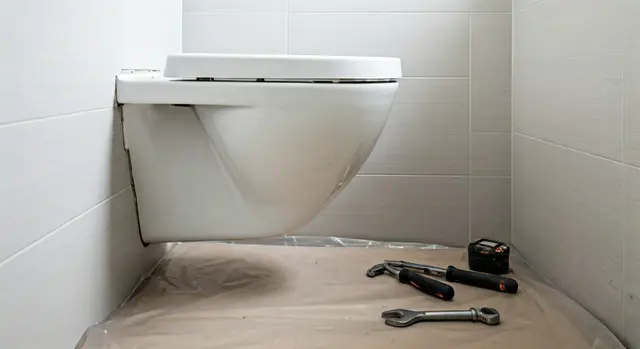
Replacing an old, inefficient, or damaged toilet can significantly refresh your bathroom and even reduce water consumption. But what's the actual cost of fitting a new toilet in the UK? In this comprehensive 2026 guide, we'll break down everything you need to know, from labour rates and toilet unit prices to potential additional costs, helping you budget effectively for your bathroom upgrade.
Understanding Toilet Installation Costs in the UK (2026)
The total cost of fitting a new toilet in the UK can vary widely, typically ranging from £200 to £1,500+. This broad range is due to several factors, including the type of toilet you choose, the complexity of the installation, your geographical location, and whether any additional plumbing or structural work is required.
Key Factors Influencing Cost:
- Type of Toilet: Close-coupled, back-to-wall, wall-hung, or traditional high/low-level units each have different price points and installation complexities.
- Labour Rates: Plumber's hourly or day rates vary by region and experience.
- Additional Plumbing Work: Moving the toilet's location, altering pipework, or addressing existing issues will increase costs.
- Waste Disposal: Removing and disposing of your old toilet.
- Ancillary Materials: Sealants, fixings, new isolation valves, and potentially new pan connectors.
- Bathroom Condition: Any tiling, flooring, or structural repairs needed around the toilet area.
Typical Cost Breakdown: Labour & Materials
Plumber's Labour Costs
For a straightforward like-for-like toilet replacement, a qualified plumber will typically charge for 2 to 4 hours of work. Plumber hourly rates in the UK for 2026 generally fall between £40 and £80 per hour, though this can be higher in London or for emergency call-outs. This means the labour cost for a standard toilet installation could be anywhere from £80 to £320.
More complex installations, such as fitting a wall-hung toilet with a concealed cistern or rerouting pipework, could take a full day or even longer, significantly increasing labour charges.
Cost of the New Toilet Unit
The price of the toilet itself is a major component of the overall cost. Toilets come in a vast array of styles, designs, and features:
- Basic Close-Coupled Toilets: Expect to pay £80 - £200. These are the most common and budget-friendly.
- Mid-Range Close-Coupled or Back-to-Wall Toilets: These often feature better aesthetics, water-saving flushes, or more durable materials. Prices typically range from £200 - £500.
- Designer or Wall-Hung Toilets: These units, including the necessary concealed cistern and frame, can cost anywhere from £400 to £800+, with premium models easily exceeding £1,000.
- Traditional High-Level or Low-Level Toilets: Often seen in period properties, these can range from £300 - £700, depending on the finish and style.
Installation Costs by Toilet Type (Including Unit & Labour)
Here’s a breakdown of typical installed costs for different toilet types, assuming a reasonably straightforward replacement:
Close-Coupled Toilet Installation
Cost: £200 - £600
This is the most common and generally the cheapest option. The cistern is directly attached to the toilet pan, and all the plumbing is visible and easily accessible. Installation is relatively quick, making it a popular choice for most bathrooms.
Back-to-Wall Toilet Installation
Cost: £400 - £900
With a back-to-wall toilet, the pan sits flush against a wall or furniture unit, and the cistern is concealed within the wall or a unit. This creates a neater, more minimalist look but requires more labour to build or fit the concealed cistern and ensure access for future maintenance. The cost includes the toilet pan, the concealed cistern, and the labour for integration.
Wall-Hung Toilet Installation
Cost: £600 - £1,500+
Wall-hung toilets are mounted to a sturdy frame that is bolted to the floor and wall, with the cistern concealed within the wall. They offer a sleek, modern aesthetic and make cleaning the floor easier. However, installation is the most complex, often requiring structural assessment, building a false wall or stud work to house the frame and cistern, and then tiling over it. The higher cost reflects the specialised frame, concealed cistern, toilet pan, and extensive labour involved.
Low-Level / High-Level Toilet Installation
Cost: £450 - £1,200
These traditional toilets feature a cistern mounted either low on the wall or high up, connected to the pan by an exposed flush pipe. While aesthetically pleasing for certain styles, they require more visible pipework and careful alignment, which can add to installation time compared to a close-coupled unit.
Additional Costs and Factors to Consider
Removal and Disposal of Old Toilet
Typically, plumbers will charge a small fee for removing and responsibly disposing of your old toilet. Expect this to be around £30 - £60.
New Pipework or Rerouting
If you're moving your toilet to a new location within the bathroom or changing its orientation, new waste pipes and water supply lines will need to be installed. This can significantly increase costs, potentially adding £100 to £400+ depending on the complexity and extent of the work.
Tiling or Flooring Repairs
Sometimes, removing an old toilet can reveal unfinished flooring or tiling underneath, or the footprint of the new toilet might not perfectly match the old one. This could necessitate additional costs for a tiler or flooring specialist, which would be separate from the plumber's quote.
Access Issues / Structural Work
For wall-hung toilets, if your wall isn't strong enough to support the frame and the weight of the unit plus occupant, structural reinforcement may be required, which will add to the cost.
Emergency Call-Outs / Out-of-Hours Work
If your toilet has failed completely and you need an urgent replacement, an emergency plumber will typically charge higher rates for immediate or out-of-hours service. You can /emergency-plumbers if you're in a bind.
Geographical Location
As with most services, plumbing costs can be higher in London and the South East compared to other regions of the UK.
How to Get an Accurate Quote and Save Money
- Get Multiple Quotes: Always obtain at least two or three detailed quotes from different plumbers. This helps you compare prices and understand what's included.
- Be Specific: Provide as much detail as possible. Have your new toilet unit chosen or purchased, and clearly explain if you need any changes to the current setup.
- Consider DIY for Removal Only: While installing a toilet is best left to a professional, you might save a small amount by removing and disposing of your old toilet yourself, provided you are confident in isolating the water supply and draining the cistern safely.
- Supply Your Own Toilet: Purchasing the toilet unit yourself can give you more control over the cost and style. However, always check if your plumber is happy to install a unit you've supplied, as some prefer to source their own for warranty reasons.
Why Choose a Professional for Toilet Installation
While a toilet installation might seem straightforward, it involves critical plumbing connections. A professionally installed toilet ensures:
- No Leaks: Correct sealing of all joints prevents water damage and costly repairs down the line.
- Correct Flushing Mechanism: Proper installation ensures efficient water usage and effective waste removal.
- Stability: The toilet is securely fitted, preventing wobbling or damage.
- Compliance: Adherence to local water regulations.
Using a qualified plumber gives you peace of mind and often comes with a guarantee for the work. If you need to /plumbers, FixDelivered can help you find vetted professionals quickly.
Finding a Qualified Plumber with FixDelivered
When you're ready to proceed with your toilet installation, FixDelivered can connect you with qualified local plumbers. Simply /tell us your emergency or project, and we'll help you find available professionals in your area. Our platform makes it easy to compare quotes and book a trusted plumber, with clear upfront pricing. To understand more about /how-it-works, visit our dedicated page.
Important Note on Gas Safety: Toilet installation typically does not involve any gas work. If your project involves a boiler or any gas appliance nearby, ensure any work on these components is carried out ONLY by a Gas Safe registered engineer.
Conclusion
Installing a new toilet is a valuable home improvement. By understanding the various cost components – from the toilet unit itself to labour and potential additional plumbing work – you can budget accurately and avoid unexpected surprises. Always opt for a qualified plumber to ensure a professional, leak-free installation that will serve you well for years to come.
Frequently asked questions
How long does it take to fit a new toilet?
For a straightforward like-for-like replacement of a close-coupled toilet, a qualified plumber can typically complete the installation in 2 to 4 hours. More complex installations, such as wall-hung or back-to-wall toilets requiring concealed cisterns or new pipework, can take a full day or longer.
Can I fit a toilet myself?
While it's technically possible, installing a toilet is best left to a professional plumber. Incorrect installation can lead to leaks, water damage, poor flushing, and potential health hazards. A professional ensures the toilet is fitted securely, is watertight, and complies with all regulations.
What's the difference in cost between a close-coupled and a wall-hung toilet installation?
A close-coupled toilet installation is generally the least expensive, typically costing £200-£600 (including unit and labour) for a standard replacement. A wall-hung toilet installation is significantly more expensive, usually ranging from £600-£1,500+ (including unit, frame, concealed cistern, and more complex labour), due to the need for a support frame, concealed cistern, and often structural or tiling work.
Do I need a Gas Safe engineer to fit a toilet?
No, a Gas Safe registered engineer is not required for standard toilet installation, as toilets do not use gas. A qualified plumber is sufficient. You would only need a Gas Safe engineer if the work involves a gas appliance (like a boiler) that needs to be temporarily disconnected or moved as part of a larger bathroom renovation.
Need a plumber now? Tell us your emergency and FixDelivered will find and confirm an available local plumber near you, usually within the hour.
Written by the FixDelivered Team. Reviewed by Rupert Lowe, Editor. Last updated 2026-09-28.