How to Unblock a Toilet: DIY Guide & Pro Tips UK 2026
By The FixDelivered Team · Updated 2026-08-09 · 5 min read
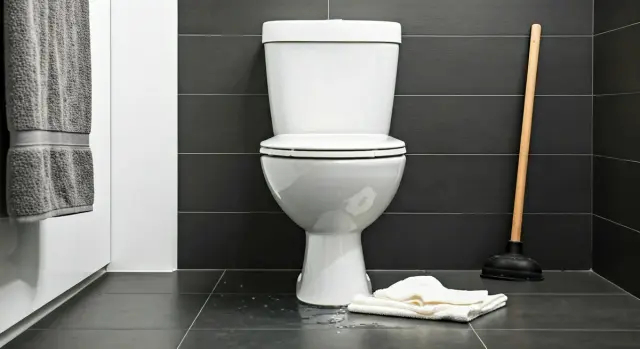
A blocked toilet is never a pleasant surprise, but it's a common household plumbing issue that can often be resolved without calling a professional. Before panic sets in, take a deep breath. Many minor blockages can be tackled with simple tools and a bit of know-how. This comprehensive UK guide for 2026 will walk you through safe and effective DIY methods for unblocking your toilet, as well as advise you on when it's time to call in the experts from FixDelivered.
Understanding Toilet Blockages
Most toilet blockages occur when non-flushable items or excessive amounts of toilet paper get stuck in the S-trap (the curved pipe directly beneath the bowl) or further down the waste pipe. Common culprits include wet wipes (even “flushable” ones), sanitary products, cotton buds, dental floss, and even small toys.
Safety First: Before You Start
Your safety is paramount. Before attempting any DIY plumbing:
- Stop Flushing: Do not flush the toilet again once you realise it's blocked. This will only add more water and risk an overflow.
- Turn Off the Water: Locate the isolation valve (usually a small chrome tap or lever) on the pipe leading to the toilet cistern, near the floor. Turn it clockwise to shut off the water supply. This prevents the bowl from refilling if you accidentally flush or if the blockage clears suddenly.
- Protect Your Floor: Lay down old towels or newspaper around the base of the toilet to catch any spills.
- Wear Protective Gear: Always wear sturdy rubber gloves and, if possible, eye protection to shield yourself from dirty water and potential splashes.
- Ventilate: If you plan to use any chemical products, ensure the bathroom is well-ventilated by opening windows and doors.
Tools You'll Need
Gathering your tools beforehand will make the job much smoother:
- Rubber gloves (essential)
- Old towels or newspaper
- A bucket or small bin
- Washing-up liquid
- A sturdy toilet plunger (flange plunger is best for toilets)
- Hot (but not boiling) water
- Optional: Wire coat hanger, drain snake (also known as a plumbing auger or toilet auger)
How to Unblock a Toilet Without a Plunger (DIY Methods)
If you don't have a plunger to hand, or if the blockage seems minor, these methods might help.
Method 1: Hot Water and Washing-Up Liquid
This method works best for blockages caused by organic matter or toilet paper.
- Remove Excess Water: If the toilet bowl is nearly full, carefully scoop out about half of the water into a bucket. You want room for the hot water mixture.
- Add Washing-Up Liquid: Squeeze a generous amount (about half a cup) of washing-up liquid directly into the toilet bowl. Let it sit for 10-15 minutes to lubricate the blockage.
- Pour in Hot Water: Carefully pour a bucket of hot (but not boiling!) water into the bowl from waist height. The heat helps break down organic matter, and the washing-up liquid helps it slide through. Boiling water can crack porcelain, so avoid it.
- Wait: Let the mixture sit for at least 20-30 minutes, or even a few hours. The combination of heat and lubricant should help soften and dislodge the blockage.
- Test: If the water level has dropped, try a gentle flush (remember to turn the isolation valve back on first, then off again quickly if it doesn't clear). If it doesn't clear, you might need to repeat or try another method.
Method 2: The Wire Coat Hanger or Drain Snake (Use with Caution)
For blockages a little further down, a makeshift or proper drain snake can be effective.
- Prepare the Hanger: Uncoil a wire coat hanger and straighten it out, leaving the hook at one end. Wrap a cloth around the hook to prevent scratching the porcelain.
- Insert Carefully: Gently push the cloth-covered end of the hanger into the toilet drain. Feel for the blockage.
- Probe and Pull: Once you feel resistance, try to push past the blockage or hook onto it and pull it back out. Be very careful not to scratch the porcelain or push the blockage further down.
- Flush: If you successfully clear the blockage, turn the water supply back on and flush the toilet.
- Drain Snake (Auger): A dedicated toilet auger or drain snake is designed for this. Insert the flexible cable into the drain, crank the handle to feed it through, and push/pull to clear the blockage. These are much safer for your toilet's porcelain than a coat hanger.
Caution: Using a wire hanger can scratch your toilet bowl's surface, leading to permanent marks. A purpose-built toilet auger is a much safer option if you have one.
Method 3: Chemical Drain Cleaners (Use with Extreme Caution)
While readily available, chemical drain cleaners should be a last resort for DIY, as they contain harsh chemicals that can be dangerous if misused and can even damage pipes over time.
- Read Instructions: Always follow the manufacturer's instructions precisely.
- Ventilation: Ensure excellent ventilation as fumes can be toxic.
- Gloves and Eye Protection: Absolutely essential.
- Never Mix: Never mix different chemical cleaners, or chemicals with hot water, as this can create dangerous reactions.
- Environmental Impact: Be aware of the environmental impact of these chemicals.
FixDelivered advises caution: If a chemical cleaner doesn't work after one attempt, do not add more. The chemicals will sit in the bowl, making it hazardous for anyone, including a professional plumber, to work on the toilet later.
How to Unblock a Toilet With a Plunger (The Most Effective DIY)
A good quality toilet plunger is your best friend for most blockages. Look for a
Frequently asked questions
Can I use bleach to unblock a toilet?
No, you should never use bleach to unblock a toilet. Bleach does not break down blockages effectively and, when mixed with other cleaning products or even urine, can create dangerous toxic fumes. It's also corrosive and harmful to the environment.
How long does it take for a plumber to unblock a toilet?
The time it takes for a professional plumber to unblock a toilet can vary. For a straightforward blockage, it might take 30-60 minutes. More complex issues, or those requiring specialist equipment like a drain snake or CCTV camera, could take 1-2 hours or more.
What causes toilet blockages?
The most common causes of toilet blockages are non-flushable items like wet wipes (even 'flushable' ones), sanitary products, cotton buds, dental floss, and excessive amounts of toilet paper. Occasionally, structural pipe issues or tree roots in outdoor drains can also cause blockages.
Can a blocked toilet affect other drains in my house?
Yes, if a blockage is severe or located further down your main waste pipe, it can affect other drains in your house, such as sinks, showers, or baths. If multiple drains are backing up, it's a strong indicator of a main drain issue that requires professional attention.
Need a plumber now? Tell us your emergency and FixDelivered will find and confirm an available local plumber near you, usually within the hour.
Written by the FixDelivered Team. Reviewed by Rupert Lowe, Editor. Last updated 2026-08-09.