Water Leaking Through Ceiling: Find the Source & Stop Damage
By The FixDelivered Team · Updated 2026-08-07 · 6 min read
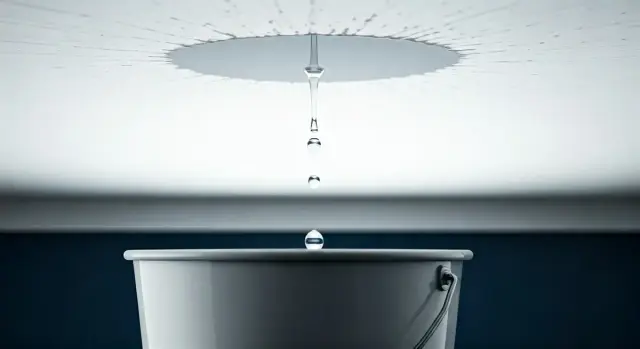
Finding water leaking through your ceiling is a homeowner's nightmare. It can cause significant structural damage, electrical hazards, and costly repairs if not addressed swiftly. Acting quickly to identify the source and limit the damage is crucial. This guide will walk you through the essential steps for a UK home in 2026.
Immediate Actions: Safety First & Damage Control
Your first priority is safety and containing the water to prevent further harm.
- Cut the Power: If water is near light fittings or electrical appliances, immediately turn off the electricity supply to that area at your fuse box or consumer unit. If you're unsure, switch off the mains for the entire property. Water and electricity are a dangerous combination.
- Contain the Water: Place buckets, bowls, or old towels directly under the leak to catch dripping water. If the leak is widespread, consider using a dustbin liner or a large plastic sheet to funnel water into a single container.
- Relieve a Bulge (Carefully): If you see a water-filled bulge in your ceiling, it indicates a significant amount of water trapped above. While it's tempting to leave it, the weight could cause a sudden, much larger collapse. Carefully pierce the centre of the bulge with a screwdriver or similar sharp object, ensuring a bucket is directly underneath. This allows the water to drain in a controlled manner, reducing the risk of a larger ceiling collapse.
- Turn Off the Water Mains: If the leak is significant, persistent, or you can't immediately identify the source, locate your main stopcock (usually under the kitchen sink, in a utility room, or under the stairs) and turn off the water supply to your entire home. This will prevent more water from entering your system and exacerbating the leak.
- Identify Water Type: Observe the water's appearance. Clean water suggests a supply pipe or rain. Grey or foul-smelling water could indicate a waste pipe or toilet leak, which may pose a health risk.
Finding the Source of the Leak
Once you've taken immediate steps, the next crucial task is to pinpoint where the water is coming from. Leaks often travel along joists and pipes, so the source might not be directly above where the water is appearing.
Tools You'll Need:
- Torch or headlamp
- Screwdriver set
- Bucket and towels
- Old clothes you don't mind getting dirty
- Camera (for documenting damage)
- A phone to call for help if needed
Step-by-Step Leak Detection:
- Look Directly Above: Start by looking at the area directly above the leak. If it's a ground floor ceiling, check the floor above. If it's an upstairs ceiling, check the loft space or roof.
- Check Bathrooms: Bathrooms are the most common source of ceiling leaks due to the sheer volume of water used.
- Shower/Bath: Inspect the shower tray, bath seals, grout lines, and tiling for cracks or gaps. Run the shower or fill the bath and check for immediate leaks underneath (if accessible) or for water appearing on the ceiling below.
- Toilet: Check the toilet cistern for cracks, the flush mechanism, and the pipe connections at the back and base. Flush the toilet multiple times and observe carefully.
- Basin: Inspect the tap connections, waste trap, and overflow for any drips.
- Pipework: Look for visible pipework under the bath, shower, or basin for any signs of dampness or drips.
- Inspect Kitchens and Utility Rooms: These areas also contain numerous water connections.
- Sink: Check the tap connections, waste pipes, and the U-bend under the sink.
- Appliances: Washing machines, dishwashers, and fridge freezers with water dispensers have supply hoses and waste pipes that can leak. Pull them out carefully and inspect the connections and hoses for kinks, cracks, or drips.
- Examine the Loft/Attic: If the leak is on the top floor, the loft is a prime suspect.
- Water Tanks: Check any cold water storage tanks or hot water cylinders for leaks, cracks, or overflowing.
- Pipework: Look for dampness around all pipes, including those for the heating system and water supply.
- Roof Leaks: Inspect the underside of the roof for damp patches, missing slates/tiles, or damaged felt, especially after heavy rain.
- Check Heating System Components:
- Radiators and Pipes: Look for leaks around radiator valves, pipe joints, and any visible heating pipes.
- Boiler: If the leak is near your boiler, this is a critical issue. Do NOT attempt to open or repair a boiler yourself. Boilers contain gas and high-pressure water systems. For any boiler or gas appliance issue, you must call a Gas Safe registered plumber.
- External Factors: Sometimes, the leak originates from outside.
- Guttering: Blocked or damaged guttering can cause rainwater to overflow and seep into your property's walls and eventually through the ceiling.
- Roof Damage: High winds or heavy rain can dislodge tiles or damage flashing, allowing water ingress. (Only inspect from outside if it is safe to do so, otherwise call a professional).
Limiting Further Damage & Next Steps
- Ventilate: Open windows and use fans to help dry out the affected area once the leak is stopped. This helps prevent mould growth.
- Document Everything: Take clear photos and videos of the leak, the water damage, and any potential source you've identified. This documentation is vital for insurance claims.
- Contact Your Insurer: Notify your home insurance provider as soon as possible. They can advise on next steps regarding repairs and claims.
When to Call a Professional
While some minor leaks can be DIY fixes, many require the expertise of a qualified plumber. You should always call a professional if:
- You cannot find the source of the leak: A plumber has specialist tools and experience in leak detection.
- The leak is significant or persistent: Large volumes of water can quickly cause extensive damage.
- The leak involves a gas appliance (e.g., boiler): This is an immediate safety concern and requires a Gas Safe registered plumber.
- You suspect structural damage: If the ceiling is sagging significantly or plaster is falling, it indicates a serious issue.
- The leak is from an upstairs flat: This complicates liability and access. You'll need to contact your landlord, building management, or the upstairs neighbour. Typically, leaks originating from within a flat are the responsibility of that flat's owner, but the building's insurance may cover damage to communal areas or other flats.
- You're uncomfortable or unsure: It's always better to be safe than sorry.
If you're facing a stubborn or serious ceiling leak and need a plumber fast, you can tell us your emergency. FixDelivered connects you with qualified, local emergency plumbers in your area. You can even read about how FixDelivered works before you book.
Don't let a ceiling leak turn into a catastrophe. Swift action and professional help when needed can save you significant stress and expense. To find a local plumber for your emergency, FixDelivered is here to help.
Frequently asked questions
What causes water to leak through the ceiling?
Water leaking through a ceiling can be caused by various issues, most commonly from plumbing fixtures or pipes on the floor above (e.g., a leaking shower, bath, toilet, sink, or appliance like a washing machine). Other causes include a leaking hot water tank in the loft, a damaged boiler, or external factors like a compromised roof, blocked gutters, or faulty flashing allowing rainwater to penetrate.
Should I pierce a water bulge in my ceiling?
Yes, carefully piercing a water-filled bulge in your ceiling can be a good idea to prevent a larger, uncontrolled collapse. Place a bucket directly underneath, then gently pierce the centre of the bulge with a small, sharp object like a screwdriver. This allows the water to drain slowly and in a controlled manner, reducing the risk of extensive damage to the ceiling structure.
Who is responsible for a ceiling leak from an upstairs flat?
Typically, the owner of the upstairs flat is responsible for maintaining their plumbing and fixing any leaks originating from within their property. However, responsibility for damage caused to your flat by their leak may be covered by their home insurance. If the leak comes from a communal pipe or the building's roof, the building management or freeholder might be responsible. Always document the damage and contact your building management or landlord, and your own insurer, immediately.
Need a plumber now? Tell us your emergency and FixDelivered will find and confirm an available local plumber near you, usually within the hour.
Written by the FixDelivered Team. Reviewed by Rupert Lowe, Editor. Last updated 2026-08-07.