Advice & guides › Hiring a Plumber
WaterSafe Approved Plumbers: Why They Matter for Your Home
By The FixDelivered Team · Updated 2026-09-23 · 6 min read
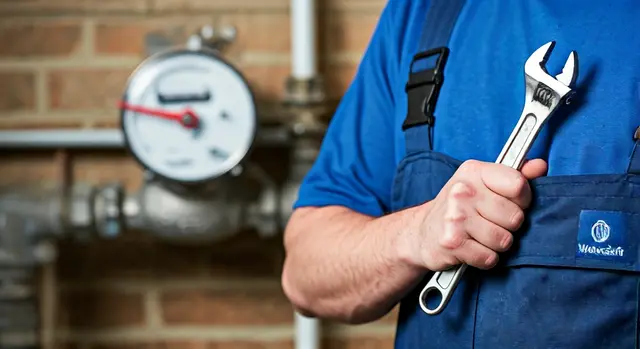
When you need plumbing work done in your home, it’s not just about fixing a leak or installing a new tap; it’s about ensuring the safety, efficiency, and legality of your water supply. In the UK, one of the most important credentials to look for in a plumber is WaterSafe approval. This isn't just a badge; it's a commitment to competence, adherence to strict water regulations, and protection for you and your home.
What is WaterSafe Approval?
WaterSafe is a national accreditation body for approved plumbers in the UK, backed by all of the UK's water companies and the drinking water regulators. It was established to help consumers find competent and qualified plumbers who can carry out work safely and legally, ensuring the protection of public health and drinking water quality.
A WaterSafe approved plumber has undergone rigorous training and assessment to demonstrate their knowledge of the Water Supply (Water Fittings) Regulations or Scottish Water Byelaws. These regulations are in place to prevent the waste, misuse, undue consumption, and contamination of water. Essentially, when a plumber is WaterSafe approved, it means they are recognised by your local water company as qualified to work on your plumbing system, including your mains water supply.
Why WaterSafe Approval Matters for Homeowners
Choosing a WaterSafe approved plumber offers several crucial benefits and protections for you and your property:
1. Compliance with UK Water Regulations
Many types of plumbing work, particularly those involving your mains water supply, are legally required to comply with specific water regulations. These regulations are designed to protect public health and prevent water contamination. A WaterSafe approved plumber is fully aware of these rules and will ensure all work meets the required standards. If non-compliant work is carried out, your water company has the power to order you to rectify it, potentially at significant cost.
2. Protection Against Water Contamination
Incorrectly installed or modified plumbing can lead to serious health hazards, such as cross-contamination of your drinking water supply. WaterSafe plumbers are trained to prevent this, ensuring that your tap water remains safe to drink and use. They understand the principles of backflow prevention and and safe pipework installation.
3. Quality Assurance and Competence
To become WaterSafe approved, plumbers must hold recognised plumbing qualifications, have relevant experience, and be a member of an approved contractors' scheme (such as APHC, SNIPEF, WIAPS, etc.). This means you’re hiring a professional who has demonstrated their competence and adheres to industry best practices. They are also required to have appropriate public liability insurance, providing an extra layer of protection.
4. Recourse and Accountability
In the rare event that something goes wrong with the work carried out by a WaterSafe approved plumber, you have a clear route for recourse. WaterSafe provides an independent complaints procedure, and its members are committed to rectifying any substandard work. This offers significantly more protection than hiring an unapproved, uninsured individual.
5. Avoiding Costly Rectifications and Scams
Hiring an unqualified plumber might seem cheaper upfront, but it can lead to expensive problems down the line. Poor workmanship can cause leaks, bursts, and even damage to your property, requiring further costly repairs. By choosing WaterSafe, you minimise the risk of shoddy work, saving you money and stress in the long run. Unfortunately, plumbing scams do exist, and unqualified individuals often prey on urgency. A WaterSafe plumber offers peace of mind.
What Work Requires a WaterSafe Approved Plumber?
While a WaterSafe plumber can handle most general plumbing tasks, their approval is particularly critical for work that interacts directly with your mains water supply or could affect public water quality. This includes, but is not limited to:
- Installing new mains water pipes or altering existing ones.
- Connecting new appliances like dishwashers or washing machines to the mains.
- Installing or replacing a new WC, basin, or shower that requires alterations to the mains feed.
- Installing or replacing unvented hot water storage systems (though these also require specific qualifications beyond just WaterSafe approval, often G3 certification).
- Installing outdoor taps or irrigation systems.
- Any work that could potentially cause backflow or contamination.
Crucial Note: While WaterSafe approval covers water fittings, it does NOT cover gas appliances or boilers. For any work involving gas, you MUST use a Gas Safe registered plumber.
How to Check if a Plumber is WaterSafe Approved
It's straightforward to verify a plumber's WaterSafe status. You can visit the official WaterSafe website and use their 'Find a Plumber' search tool. Simply enter your postcode, and it will show you approved plumbers in your area. Always ask to see their WaterSafe ID card when they arrive at your property.
The Cost of Using a WaterSafe Approved Plumber in 2026
The cost of plumbing services can vary significantly based on location, the complexity of the job, and whether it's an emergency. As a rough guide for 2026, you can typically expect to pay:
- Call-out fee: £70 - £120 (this often includes the first hour of labour).
- Hourly rate (after initial call-out): £50 - £90 per hour.
- Day rate (for larger projects): £400 - £700.
While a WaterSafe approved plumber might sometimes have a slightly higher rate than an unregistered individual, the investment is well worth the peace of mind, compliance, and quality workmanship you receive. It significantly reduces the risk of expensive rectifications or health hazards down the line.
Beyond WaterSafe: Other Credentials to Look For
While WaterSafe approval is paramount for water-related work, consider these additional points when choosing a plumber:
- Gas Safe Register: As mentioned, for any work on gas boilers, cookers, or fires, always ensure your engineer is on the Gas Safe Register. It's a legal requirement and vital for safety.
- Insurance: Ensure the plumber holds valid public liability insurance. This protects you in case of accidental damage to your property during their work.
- Warranties/Guarantees: Ask about guarantees on their workmanship. Reputable plumbers often offer a warranty period for their repairs or installations.
- Reviews and References: Check online reviews or ask for references to gauge their reliability and quality of service.
Finding a Qualified Plumber Fast
When you need a professional, especially in an emergency, finding a qualified and approved plumber quickly is key. Platforms like FixDelivered make this process simpler. You can tell us your emergency, and we’ll connect you with vetted local plumbers. Our service ensures transparency, with the plumber’s callout fee agreed upfront and paid directly to them. To understand more about how FixDelivered works, you can visit our dedicated page.
For urgent issues, you can also look for emergency plumbers near you, ensuring they hold the necessary WaterSafe accreditation.
Conclusion
WaterSafe approval is more than just a label; it's a vital indicator of a plumber's competence, commitment to water regulations, and dedication to protecting public health and your home. For any plumbing work, particularly that involving your mains water supply, always prioritise a WaterSafe approved professional. It’s an investment in safety, compliance, and long-term peace of mind. Explore more helpful advice in our plumbing emergency guides to keep your home safe.
Frequently asked questions
What does WaterSafe approved mean?
WaterSafe approval means a plumber is recognised by UK water companies and regulators as qualified and competent to carry out plumbing work safely and legally, adhering to the Water Supply (Water Fittings) Regulations. They are trained to prevent water contamination and ensure high standards of workmanship.
Is it a legal requirement to use a WaterSafe plumber?
While not every single plumbing job requires a WaterSafe plumber by law, any work that affects the mains water supply or could contaminate drinking water must comply with the Water Supply (Water Fittings) Regulations. Using a WaterSafe approved plumber ensures this compliance, protecting you from potential enforcement action by your water company.
How can I check if a plumber is WaterSafe approved?
You can easily check a plumber's WaterSafe status by visiting the official WaterSafe website and using their 'Find a Plumber' search tool. Always ask to see their WaterSafe ID card when they arrive at your property for verification.
Does WaterSafe approval cover gas work?
No, WaterSafe approval specifically covers water fittings and regulations. For any work involving gas appliances, boilers, or pipework, you MUST use a Gas Safe registered engineer. It is a legal requirement and crucial for safety.
What are the typical costs for a WaterSafe plumber in 2026?
As a rough guide for 2026, expect call-out fees between £70-£120 (often including the first hour), hourly rates of £50-£90, and day rates for larger projects around £400-£700. These costs can vary by region and the urgency/complexity of the job.
Need a plumber now? Tell us your emergency and FixDelivered will find and confirm an available local plumber near you, usually within the hour.
Written by the FixDelivered Team. Reviewed by Rupert Lowe, Editor. Last updated 2026-09-23.