Gushing Leak Under Sink? Stop Water Fast & Fix It!
By The FixDelivered Team · Updated 2026-09-02 · 7 min read
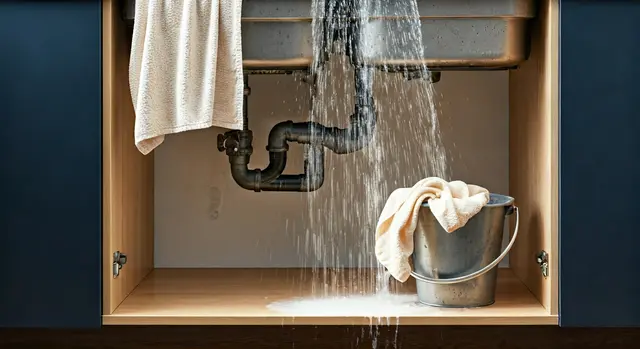
Discovering water gushing from under your sink can be a terrifying experience. The sound alone is enough to trigger panic, and the potential for serious water damage to your home is immense. However, acting quickly and methodically can minimise the impact. This guide will walk you through the immediate steps to take, how to identify the source, potential DIY fixes for minor issues, and crucially, when to call a professional in the UK for a gushing leak under your sink.
Immediate Action: Stop the Water Flow!
Your absolute priority is to stop the water. Every second counts to prevent further damage.
1. Turn Off the Main Stopcock
Locate your home's main stopcock (also known as a stop valve or stop tap) and turn it off immediately. This will shut off the water supply to your entire property. Common locations include:
- Under the kitchen sink.
- In a cupboard under the stairs.
- In a utility room or downstairs toilet.
- Near the front door, often in a garage or utility meter box outside.
Turn the stopcock clockwise until it's fully closed. If it's stiff, use a cloth for better grip or a small wrench, but avoid excessive force as older stopcocks can be fragile.
2. Turn Off Isolation Valves (if present)
Many sinks, particularly newer installations, will have small isolation valves on the hot and cold water supply pipes directly underneath them. These are usually small chrome or plastic knobs or levers. Turn them clockwise to shut off the water supply specifically to the tap or appliance under the sink. This is a good secondary measure, or primary if you can't find the main stopcock immediately.
3. Prioritise Safety
Water and electricity don't mix. If the leak is near electrical sockets or appliances, turn off the electricity to that area (or your whole home) at your consumer unit (fuse box) before touching anything. Be extremely careful of slipping hazards on wet floors.
Identify the Source of the Leak
Once the water is off, you can safely investigate. There are two main types of pipes under your sink, and identifying which is leaking will dictate your next steps:
- Supply Pipes: These carry fresh, pressurised hot and cold water to your tap. Leaks here are typically gushing or spraying due to the pressure. They are usually rigid copper or flexible braided hoses.
- Waste Pipes: These carry used water from your sink down to the main drainage system. Leaks here are generally drips or slower flows, as they are not under pressure. They are typically larger diameter plastic pipes, often including the U-bend or P-trap.
Look for visible cracks, loose connections, or damaged washers. Feel around pipe joints and connections. A gushing leak often makes the source obvious.
Temporary Measures for a Gushing Leak
If the leak is from a pressurised supply pipe and you're waiting for a plumber, these temporary fixes can help contain the situation:
- Catch the Water: Place buckets and towels directly under the leak to minimise spread and absorb any residual water.
- Repair Clamp: For a clean break or pinhole in a rigid pipe, a rubber pipe repair clamp (available from hardware stores) can provide a surprisingly effective seal. Wrap a piece of rubber (from an old bicycle inner tube or similar) around the leak and secure it tightly with a hose clamp or jubilee clip.
- Duct Tape/Self-Fusing Silicone Tape: For minor leaks, several layers of high-quality duct tape or self-fusing silicone tape wrapped tightly can offer a temporary seal. However, for a truly gushing, high-pressure leak, this might only reduce the flow, not stop it entirely.
- Epoxy Putty: For small cracks or pinholes (not suitable for large breaks or joints under high pressure), epoxy putty can be mixed and moulded around the leak. It hardens quickly, but again, it's a short-term solution.
Important: These are strictly temporary measures. A gushing leak from a supply pipe requires professional attention as soon as possible.
DIY Fixes for Waste Pipe Leaks (Low Pressure)
If the leak is from a waste pipe (P-trap or S-trap) and the water is off, you might be able to tackle a minor repair yourself. Remember, these are low-pressure leaks.
Tools You Might Need:
- Bucket or bowl
- Old towels
- Adjustable spanner or pipe wrench
- Screwdriver (flathead or Phillips, depending on fittings)
- Replacement washers (if needed)
- Replacement P-trap/S-trap kit (if needed)
Step-by-Step for Waste Pipe Leaks:
- Isolate and Drain: Ensure the main stopcock is off. Place a bucket directly under the trap to catch any standing water.
- Disassemble the Trap: Carefully loosen the large plastic or metal nuts connecting the trap to the sink waste and the wall/floor drainage pipe. You might need an adjustable spanner.
- Inspect and Clean: Once disassembled, empty the trap and inspect all components. Look for cracks in the plastic, hair/debris blockages, or damaged rubber washers (gaskets). Clean thoroughly.
- Replace Washers: Often, a leak is simply due to a perished or misaligned rubber washer. Replace any damaged washers with new ones of the correct size.
- Reassemble and Tighten: Put the trap back together, ensuring all washers are correctly seated. Hand-tighten the nuts first, then use a spanner for a final quarter-turn to ensure a snug fit – do not overtighten, especially on plastic fittings, as this can cause cracking.
- Test Carefully: Turn the main stopcock back on gradually. Run the tap gently into the sink and carefully check for any drips or leaks around the trap and connections. If it still leaks, turn the water off and re-check the washers and connections.
When to Call a Professional Plumber
While some waste pipe issues can be DIY, most gushing leaks, especially from pressurised supply pipes, require a qualified plumber. You should always call a professional if:
- The leak is from a pressurised hot or cold water supply pipe.
- You cannot locate or turn off your main stopcock.
- You cannot identify the source of the leak.
- The leak is causing significant flooding or has affected electrical components.
- The leak persists after your attempts at a temporary fix.
- You're uncomfortable or unsure about any step of the repair process.
If you're facing a serious burst pipe or a leak from a pressurised supply, don't hesitate. You can tell us your emergency and we'll connect you with a qualified local plumber fast.
What to Expect from an Emergency Plumber (2026 UK)
When you call an emergency plumber for a gushing leak, here’s a rough guide for what to expect in 2026:
- Call-Out Fee: Typically ranges from £80 to £150, especially outside of standard working hours. This covers their travel and initial assessment.
- Hourly Rate: Once on-site, plumbers usually charge an hourly rate, which can be between £60 and £90 per hour.
- Repair Costs: For a relatively straightforward repair like replacing a section of burst pipe or a faulty isolation valve, you might expect to pay a total of £150-£300, including parts and labour. More complex issues or extensive damage will, of course, cost more.
Always ask for an upfront estimate or a clear breakdown of costs before any work begins. For peace of mind, you can always find an emergency plumber near you through FixDelivered, knowing they're vetted and transparent with pricing.
Preventing Future Leaks Under Your Sink
A little preventative maintenance can go a long way:
- Regular Checks: Periodically open your under-sink cupboard and visually inspect pipes, connections, and the trap for any signs of dampness, corrosion, or drips.
- Don't Overtighten: When connecting or tightening fittings, especially plastic ones, hand-tighten first, then use a wrench for a quarter-turn. Overtightening can crack pipes or strip threads.
- Clear Blockages Promptly: A slow-draining sink can put stress on waste pipes. Address blockages quickly to prevent pressure build-up or corrosion.
- Insulate Pipes: While less common under sinks indoors, insulating exposed pipes in unheated areas can prevent freezing and bursting during cold weather.
For more helpful tips, browse our plumbing emergency guides.
Conclusion
A gushing leak under your sink is a serious emergency that demands immediate action. By knowing how to turn off your water supply, identifying the type of leak, and understanding when to apply a temporary fix versus calling a professional, you can mitigate damage and restore peace of mind. In any plumbing emergency, quick action is key. If you need a reliable professional fast, how FixDelivered works makes it simple to get help.
Frequently asked questions
What's the very first thing to do when water is gushing under the sink?
Turn off the main water stopcock immediately, and then any isolation valves under the sink if present. This stops the water supply to prevent further damage.
Can I fix a gushing leak from a supply pipe myself?
Gushing leaks from supply pipes are under high pressure and typically require professional help. You can apply temporary measures like a repair clamp, but call a qualified plumber promptly for a permanent fix.
How much does an emergency plumber cost for a leak under the sink in 2026?
Expect an emergency call-out fee of £80-£150, plus hourly rates of £60-£90. A minor repair could range from £150-£300, but complex issues with parts and labour will be more.
What's the difference between a supply pipe and a waste pipe leak?
Supply pipes carry fresh, pressurised water, so leaks are often gushing. Waste pipes carry used water away, are not pressurised, and leaks are usually drips or slow flows.
Need a plumber now? Tell us your emergency and FixDelivered will find and confirm an available local plumber near you, usually within the hour.
Written by the FixDelivered Team. Reviewed by Rupert Lowe, Editor. Last updated 2026-09-02.