How to Fix Low Shower Pressure at Home
By The FixDelivered Team · Updated 2026-09-23 · 6 min read
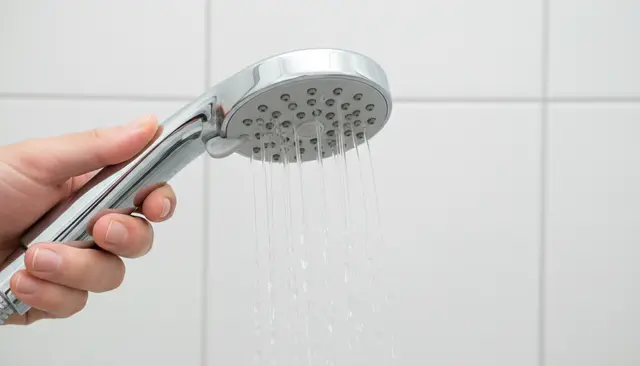
A weak, trickling shower can be incredibly frustrating, turning what should be a refreshing experience into a damp squib. Low shower pressure is a common problem in UK homes, but thankfully, many of its causes are simple to diagnose and fix yourself. Before you call in a professional, follow our practical guide to troubleshoot and potentially resolve the issue, saving you time and money.
What Causes Low Shower Pressure?
Low shower pressure can stem from a variety of sources, ranging from simple blockages to more complex plumbing or boiler issues. Understanding the most common culprits is the first step to finding a solution:
- Limescale build-up: Hard water in many parts of the UK can cause mineral deposits to accumulate in your showerhead, hose, or even mixer valve, restricting water flow.
- Kinked or damaged shower hose: A simple kink in the hose or internal damage can significantly impede water flow.
- Partially closed isolation valves: Many showers have their own isolation valves, or the main stopcock might not be fully open.
- Diverter valve issues: If you have a bath/shower mixer, the diverter that switches water between the bath tap and shower might be faulty or blocked.
- Water heater or boiler problems: If only the hot water pressure is low, there could be an issue with your combi boiler, immersion heater, or hot water cylinder.
- Mains water supply issues: Occasionally, the problem could be with your property's main water supply or even a wider issue in your area.
Tools You Might Need
- Adjustable spanner or pliers
- Old toothbrush or small brush
- Descaling solution (vinegar or a commercial product)
- Bucket or bowl
- Cloth
- Replacement shower hose (if needed)
Safety First
Always exercise caution when working with water and plumbing. Turn off your water supply at the mains stopcock before attempting any major work to prevent leaks or flooding. If you're dealing with hot water systems, especially boilers, remember that these can involve high temperatures and pressure. Never attempt to open or tamper with boiler internals yourself. If you're unsure at any point, it's always best to call a qualified plumber.
DIY Steps to Improve Your Shower Pressure
Step 1: Check Other Taps in Your Home
First, determine if the low pressure is isolated to just your shower or if it's affecting other taps and appliances in your home. Turn on a few other hot and cold taps (e.g., kitchen sink, basin tap). If they also have low pressure, the issue is likely with your main water supply or a general problem with your hot water system. If only the shower is affected, the problem is specific to the shower unit itself.
Step 2: Clean Your Showerhead
Limescale build-up is one of the most common causes of low shower pressure, particularly in hard water areas. This is usually the easiest fix:
- Remove the showerhead: Unscrew it from the shower hose. You might need an adjustable spanner or pliers if it's stiff, but be careful not to overtighten when refitting.
- Soak in descaling solution: Fill a bucket or bowl with a descaling solution (white vinegar works well, or use a commercial descaler). Submerge the showerhead completely and leave it to soak for a few hours, or even overnight for heavy build-up.
- Scrub and rinse: After soaking, use an old toothbrush or small brush to scrub away any remaining limescale from the nozzles. Rinse thoroughly under running water.
- Reattach and test: Screw the showerhead back onto the hose, ensuring a snug fit. Turn on the shower and check the pressure.
Step 3: Inspect the Shower Hose
A kinked or damaged shower hose can severely restrict water flow. Unclip your shower hose and inspect its entire length for any visible kinks, cracks, or bulges. If the hose is old, it might have internal damage or blockages that aren't visible externally. If you suspect the hose is the problem, a replacement is relatively inexpensive (typically £10-£30) and easy to fit yourself.
Step 4: Check the Diverter Valve (if applicable)
If you have a bath/shower mixer tap, there's a diverter valve that directs water either to the bath spout or the showerhead. If this valve isn't fully engaging or is faulty, water might be leaking to the bath spout even when the shower is on, resulting in low pressure. Try operating the diverter several times to see if it frees up. If it's still an issue, the valve itself might need cleaning or replacing, which can be a more involved job.
Step 5: Ensure Isolation Valves are Fully Open
Many showers, especially electric or thermostatic mixer showers, have dedicated isolation valves on the hot and cold water supply pipes leading to the unit. These are usually small levers or slotted screws that can be turned with a screwdriver. Ensure both the hot and cold isolation valves are fully open (the lever should be in line with the pipe, or the screw slot should be parallel to the pipe). If your entire house has low pressure, check your main stopcock (usually under the kitchen sink or near your water meter) to ensure it's fully open.
Step 6: Consider Your Hot Water System
If you only have low hot water pressure in your shower (and other hot taps), the issue likely lies with your hot water system. This could be:
- Combi boiler: Pressure issues in a combi boiler can affect hot water flow. Check your boiler's pressure gauge and repressurise it if necessary, following your manufacturer's instructions. If you're unsure, or if the problem persists, you must contact a Gas Safe registered plumber.
- Immersion heater/Hot water cylinder: If you have a traditional system, there might be a build-up of sediment in the cylinder or an issue with the cold water feed to it. This would typically require professional assessment.
When to Call a Professional
While many low shower pressure issues can be resolved with DIY efforts, there are times when professional help is essential:
- If you've tried all the above steps and the pressure hasn't improved.
- If you suspect an issue with your boiler or hot water cylinder. Remember, any work on gas appliances or their components must be carried out by a Gas Safe registered plumber.
- If you believe the problem is with your main water supply or internal pipework, which can be complex to diagnose and fix.
- If you're uncomfortable performing any of the DIY steps yourself.
A qualified plumber can accurately diagnose the root cause of your low pressure, whether it's a hidden blockage, a faulty mixer valve, or a more significant system issue. They can also advise on solutions like booster pumps if your home's overall water pressure is consistently low.
What to Expect from a Plumber – Costs (2026 UK Guide)
The cost of hiring a plumber to fix low shower pressure can vary depending on the complexity of the job and your location. As a rough guide, you can expect:
- Call-out fee: Typically £80 - £150 for the first hour, covering diagnosis.
- Labour: Beyond the first hour, plumbers usually charge an hourly rate of £50 - £80.
- Parts: Replacement parts like a new shower hose, mixer cartridge, or diverter valve will be an additional cost.
For more complex issues, such as replacing a thermostatic mixer valve, costs could range from £200 - £400, including parts and labour. If the problem is boiler-related, a Gas Safe engineer's fees might be higher.
If you find yourself needing professional assistance, FixDelivered can connect you with qualified local plumbers quickly. You can tell us your emergency, and we'll help you find a trusted tradesperson in your area. Our platform makes it easy to understand how FixDelivered works, ensuring you get the help you need when you need it most. For other common home issues, feel free to explore our plumbing emergency guides.
Frequently asked questions
Can low water pressure damage my boiler?
Low water pressure in your home's mains supply typically won't damage your boiler, but it can significantly impact its performance, especially for combi boilers that rely on good flow for hot water. If the boiler's internal pressure is low, it might stop working, but this is usually a safety feature, not damage.
How much does a plumber charge to fix low shower pressure in the UK?
In the UK, a plumber's call-out fee typically ranges from £80 to £150 for the first hour, which usually covers diagnosis. If parts or additional labour are needed, expect to pay more. Simple fixes like cleaning a showerhead might just incur the call-out fee, while replacing a mixer valve could be £200-£400.
What's the difference between water pressure and flow rate?
Water pressure is the force at which water pushes through your pipes, measured in bars. Flow rate is the volume of water delivered over a specific time, typically litres per minute. You can have good pressure but a poor flow rate if there's a restriction, or vice-versa, though they are often related.
Is it safe to use vinegar to clean my showerhead?
Yes, white vinegar is a safe and effective natural descaler for most showerheads. It's mildly acidic and dissolves limescale without damaging chrome or plastic. For heavily soiled showerheads, you may need to soak it for several hours or overnight.
Need a plumber now? Tell us your emergency and FixDelivered will find and confirm an available local plumber near you, usually within the hour.
Written by the FixDelivered Team. Reviewed by Rupert Lowe, Editor. Last updated 2026-09-23.