Advice & guides › Prevention & Maintenance
Protect Your Outside Tap & Pipes This Winter: UK Guide 2026
By The FixDelivered Team · Updated 2026-09-05 · 7 min read
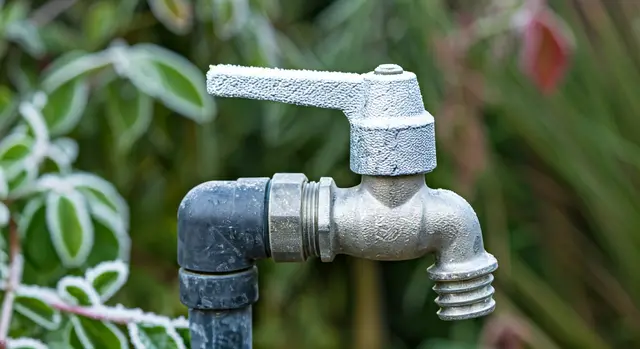
As the colder months approach in the UK, an often-overlooked plumbing vulnerability is your outside tap and the pipes leading to it. Freezing temperatures can turn a simple garden tap into a major headache, leading to burst pipes, significant water damage, and costly repairs. Taking a few proactive steps can save you a lot of trouble and expense.
Why Protecting Your Outside Tap Matters
When water freezes, it expands. If this happens inside your outside tap or the pipework supplying it, the pressure can cause the pipe to split or the tap mechanism to crack. This is known as a burst pipe. When the ice thaws, water will then leak out, potentially flooding your garden, external walls, or even seeping into your home's foundations.
- Costly Repairs: A burst pipe can lead to emergency plumber call-outs and significant repair bills, typically ranging from £150 to £400 or more, depending on the damage and complexity.
- Water Damage: Leaking water can damage property, promoting mould growth and weakening structures.
- Inconvenience: Losing access to your outside tap for cleaning, car washing, or gardening can be frustrating, especially if repairs take time.
- Wasted Water: A burst pipe can waste a considerable amount of water, leading to higher bills and environmental impact.
When to Prepare Your Outside Tap for Winter
The best time to protect your outside tap is before the first severe frost hits. In the UK, this usually means by late October or early November, but it's wise to keep an eye on weather forecasts. Don't wait until temperatures plummet; proactive protection is key.
DIY Guide: How to Protect Your Outside Tap (Step-by-Step)
Here's a simple, effective guide to winterising your outside tap.
Tools & Materials You'll Need:
- Adjustable spanner or pipe wrench (optional, for some stopcocks)
- Bucket or small container
- Old towel or cloth
- Outside tap cover (insulated jacket)
- Pipe insulation (foam lagging)
- Cable ties or strong tape
Step 1: Disconnect All Hoses
Remove any hoses, sprinklers, or other attachments from your outside tap. Water trapped in these accessories can freeze and expand, potentially damaging the tap or the hose itself. Store hoses in a shed or garage.
Step 2: Turn Off the Water Supply to the Tap
This is the most crucial step for non-frost-free taps. Locate the internal stopcock that controls the water supply to your outside tap. This is usually found inside your home, often under the kitchen sink, in a utility room, or in a downstairs toilet. Turn the stopcock clockwise until it's fully closed. If you have multiple outside taps, ensure you turn off the correct isolation valve for each.
Step 3: Drain the Tap and Pipework
Once the internal stopcock is closed, open your outside tap fully. Any remaining water in the pipework between the internal stopcock and the tap will now drain out. Let it run until no more water comes out. You might want to place a bucket underneath to catch any drips. Once drained, leave the outside tap in the 'open' position to allow any residual moisture to evaporate and prevent pressure build-up from freezing.
Step 4: Insulate the Tap
Fit an insulated outside tap cover (often called a 'tap jacket' or 'frost protector') over the tap. These are inexpensive and readily available from DIY stores. Ensure it fits snugly and covers the entire tap mechanism, including any exposed pipework immediately behind it.
Step 5: Insulate Exposed Pipework
If the pipe leading to your outside tap is exposed externally or runs through an unheated area like a garage or loft, it needs insulation. Use foam pipe lagging, cut to size, and secure it firmly with cable ties or strong tape. Ensure there are no gaps where cold air can penetrate. For extra protection, you can wrap the insulated pipe with waterproof tape.
Safety Cautions:
- Always ensure the internal stopcock is fully closed before attempting to drain the tap.
- Never use naked flames or boiling water to thaw a frozen pipe, as this can cause further damage or injury.
- If you are unsure about locating your internal stopcock, consult your property's documentation or seek professional help.
When to Call a Professional:
- If you cannot locate the isolation valve for your outside tap.
- If you're unsure about any step of the process.
- If your outside tap is already frozen or has burst (see next section).
- For professional installation of a frost-free tap or complex pipe insulation, you can find a local plumber through FixDelivered.
What if Your Outside Tap is Already Frozen?
If you wake up to sub-zero temperatures and find your outside tap isn't working, it's likely frozen. Here's what to do:
Signs of a Frozen Tap or Pipe:
- No water comes out when you open the tap.
- A visible bulge or crack in the pipe or tap body.
- A noticeable drop in water pressure inside your home (if the main supply pipe is affected).
What NOT to Do:
- Do NOT use a naked flame (e.g., blowtorch) to thaw the pipe. This is extremely dangerous and can cause the pipe to burst violently or start a fire.
- Do NOT use boiling water directly on the pipe, as the sudden temperature change can cause it to crack or burst.
- Do NOT hit the pipe with a hammer or other object.
What TO Do:
- Turn Off Your Mains Stopcock: Immediately locate and turn off your main internal stopcock (usually where the water enters your property). This prevents a flood if the pipe has already burst and thaws.
- Open the Frozen Tap: Leave the outside tap open. This allows water to escape as the ice thaws and relieves pressure.
- Apply Gentle Heat: Use a hairdryer on a low setting, warm cloths soaked in hot (not boiling) water, or a hot water bottle to gently warm the frozen section of the pipe, starting from the tap end and working inwards.
- Monitor for Leaks: As the pipe thaws, carefully watch for any signs of water leaking from the tap or pipework.
- Restore Water Slowly: Once you're confident the pipe has thawed and there are no leaks, slowly turn your main stopcock back on.
When to Call a Professional:
If you encounter a burst pipe, cannot locate the source of the freeze, or are unsure how to proceed, don't hesitate to tell us your emergency. A frozen pipe that has burst requires immediate attention to prevent extensive water damage.
Long-Term Solutions: Frost-Free Taps
For a more permanent solution, consider installing a frost-free outside tap. These taps are designed so that the actual shut-off valve is located inside your home's heated space, meaning there's no water left in the external part of the tap to freeze. This eliminates the need for winterisation steps like turning off the internal supply and draining the tap.
While the initial installation cost (typically £150-£300 including parts and labour in 2026) is higher than simple insulation, a frost-free tap offers convenience and peace of mind for many winters to come. This is a job best left to a qualified plumber to ensure correct installation and compliance with water regulations.
Get Help From FixDelivered
Whether you need a professional to install a new frost-free tap, require assistance with complex pipe insulation, or are facing a plumbing emergency like a burst pipe, FixDelivered can connect you with qualified local plumbers quickly. Our booking fee is refundable if no plumber is found, and the plumber's callout fee is agreed upfront and paid directly to them, ensuring transparency and no hidden costs.
Protecting your outside tap and pipes from freezing is a simple yet vital task that can save you significant hassle and expense during the UK winter. By following these steps, you can ensure your home remains safe and dry, even in the coldest weather. Should you face a plumbing emergency this winter, remember FixDelivered can connect you with emergency plumbers near you quickly.
Frequently asked questions
How do I turn off the water to my outside tap?
You'll need to locate the isolation valve or stopcock for your outside tap, usually found inside your home near the tap's entry point, often under the kitchen sink or in a utility room. Turn it clockwise until it's fully closed.
What is a frost-free outside tap?
A frost-free outside tap has its shut-off valve located inside your heated home, meaning there's no water left in the external part of the tap to freeze. This eliminates the need for manual winterisation.
Can I use boiling water to thaw a frozen outside tap?
No, you should never use boiling water directly on a frozen pipe or tap. The sudden and extreme temperature change can cause the pipe to crack or burst, leading to more significant damage. Use gentle heat like a hairdryer on a low setting or warm cloths.
How much does it cost to fix a burst outside pipe in the UK?
The cost to fix a burst outside pipe in the UK can vary significantly but typically ranges from £150 to £400 or more. This includes the plumber's call-out fee and repair work, depending on the extent of the damage and ease of access.
Need a plumber now? Tell us your emergency and FixDelivered will find and confirm an available local plumber near you, usually within the hour.
Written by the FixDelivered Team. Reviewed by Rupert Lowe, Editor. Last updated 2026-09-05.