Balance Radiators for Even Heat
By The FixDelivered Team · Updated 2026-09-02 · 7 min read
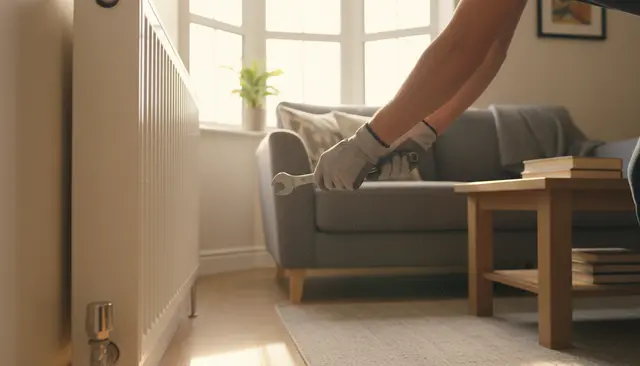
Are some rooms in your home always toasty warm while others remain stubbornly chilly, even with the heating on full blast? This common problem, where radiators aren't heating evenly, is often due to an unbalanced central heating system. Fortunately, balancing your radiators is a DIY task that can significantly improve your home's comfort and energy efficiency. This guide will walk you through the process, helping you achieve consistent, comfortable temperatures throughout your property.
Why Radiators Aren't Heating Evenly
Your central heating system circulates hot water from your boiler to all your radiators. However, water naturally takes the path of least resistance. This means radiators closer to the boiler, or those with valves wide open, tend to receive most of the hot water first, leaving less for the radiators further away or those with restricted flow. This leads to inefficient heating, cold spots, and wasted energy as your boiler works harder to heat the entire house.
Balancing rectifies this by restricting the flow of water to the radiators that are getting too much, thereby forcing more hot water to circulate to the colder, less efficient radiators. It's about ensuring an even distribution of heat across all radiators in your system.
Tools You'll Need
- Radiator Bleed Key: Essential for releasing trapped air.
- Adjustable Spanner or Radiator Valve Key: For adjusting the lockshield valves. Some older valves may require a flat-head screwdriver.
- Digital Thermometer: To accurately measure pipe temperatures (a contact thermometer is ideal).
- Pen and Paper: To note down valve settings and temperatures.
- Old Cloths or Towels: To catch any drips when bleeding or adjusting valves.
Safety First
Before you begin any work on your heating system, always prioritise safety:
- Turn Off Your Central Heating: Ensure the boiler is switched off and allow the system to cool down completely. This prevents scalding from hot water and allows for more accurate temperature readings.
- Protect Your Floors: Place old towels or cloths under radiators, especially when bleeding, to catch any drips.
- Gas Boilers: If you encounter any issues related to your boiler itself, particularly if it's a gas boiler, you must contact a Gas Safe registered engineer. Never attempt to service or repair a gas appliance yourself.
- Be Gentle: Radiator valves can be delicate, especially older ones. Avoid overtightening or forcing them.
Step-by-Step Guide to Balancing Your Radiators
Follow these steps carefully to balance your central heating system for optimal performance.
Step 1: Preparation
Switch off your central heating system at the thermostat and the boiler. Wait for all radiators to cool down completely. This can take an hour or two, depending on your system.
Step 2: Bleed All Radiators
Starting with the downstairs radiator furthest from your boiler, use your bleed key to open the bleed valve until air hisses out, then water starts to trickle. Close the valve. Work your way around all radiators in your home, bleeding each one. Finish with the upstairs radiator closest to the boiler. This ensures no air is trapped, which can mimic balancing issues.
Step 3: Open All Valves
Locate the two valves on each radiator. One is usually a thermostatic radiator valve (TRV), which you can turn to adjust the room temperature. The other, often covered by a plastic cap, is the lockshield valve, which controls the overall flow of water into the radiator. Fully open all TRVs by turning them to their maximum setting (usually '5' or 'MAX'). Then, remove the cap from each lockshield valve. Using your spanner or screwdriver, turn each lockshield valve counter-clockwise until it's fully open. As you do this, count the number of full turns it takes to open each one from its closed position and note it down. This record can be useful if you need to reset the system later.
Step 4: Identify Cold Spots
Turn your central heating system back on, setting the thermostat to a high temperature (e.g., 25°C) to ensure the boiler runs continuously. After about 30 minutes, walk around your home and carefully feel each radiator. Note down which radiators are heating up quickly and are hot all over, and which are slower to heat, or remain cooler at the bottom or completely cold. The goal is to get all radiators heating evenly.
Step 5: Adjust Lockshield Valves (Initial Pass)
Start with the radiator that is heating up the quickest and is closest to the boiler. This radiator is likely receiving too much hot water. Close its lockshield valve completely by turning it clockwise, then open it by approximately half a turn. Move to the next radiator that is heating quickly and is slightly further from the boiler. Close its lockshield valve completely, then open it by about three-quarters of a turn. Continue this process, working your way around the house and progressively opening the lockshield valves slightly more as you move further away. The radiator furthest from the boiler should ideally have its lockshield valve fully open.
Step 6: Refine with Thermometer
Allow the heating system to run for at least an hour after your initial adjustments. Now, use your digital thermometer to measure the temperature of the pipe leading into the radiator (the flow pipe) and the pipe leading out (the return pipe) for each radiator. The aim is to achieve a temperature difference of approximately 10-12°C between the flow and return pipes on each individual radiator. If the temperature difference is too small (e.g., 5°C), the radiator is getting too much flow – close its lockshield valve by a quarter turn. If the difference is too large (e.g., 20°C), the radiator isn't getting enough flow – open its lockshield valve by a quarter turn.
Step 7: Iterate and Monitor
Radiator balancing is often a process of trial and error. Make small adjustments to one or two lockshield valves at a time, then allow the system to stabilise for at least 30 minutes to an hour before re-checking temperatures. You may need to repeat steps 5 and 6 several times over a day or two until you achieve an even heat distribution across all radiators.
Step 8: Final Check
Once you are satisfied that all radiators are heating evenly and have a consistent temperature drop, you can turn your TRVs back to your desired room temperatures. Remember, TRVs control the temperature of individual rooms, while balancing ensures the system as a whole is efficient.
When to Call a Professional
While balancing radiators is a manageable DIY task, there are times when professional help is advisable:
- Persistent Cold Spots: If, after several attempts, some radiators still refuse to heat up or remain cold.
- Complex Systems: For very large homes or complex heating systems with multiple zones, a professional plumber can use specialist equipment to balance the system more efficiently.
- Boiler Issues: If you suspect the problem lies with your boiler, or if you notice unusual noises or leaks. Remember, any work on gas appliances requires a Gas Safe registered engineer.
- Lack of Confidence: If you're uncomfortable attempting the DIY process, or simply don't have the time.
If you're still experiencing issues or prefer a professional touch, a qualified plumber can quickly diagnose and resolve complex heating problems. You can tell us your emergency and we'll help you find a local expert.
Why is Radiator Balancing Important?
Beyond simply getting rid of cold spots, a well-balanced heating system offers several benefits:
- Even Heat Distribution: Enjoy consistent warmth in every room, eliminating uncomfortable temperature variations.
- Improved Energy Efficiency: Your boiler won't have to work as hard or run as long to heat your home, potentially leading to lower energy bills.
- Reduced Wear and Tear: An efficiently running system puts less strain on your boiler and pump, potentially extending their lifespan.
- Greater Comfort: A consistently heated home is a more comfortable home.
Balancing your radiators can make a significant difference to your home's comfort and heating efficiency. While it requires patience, the rewards are well worth the effort. If you're unsure or encounter difficulties, don't hesitate to contact a professional. FixDelivered can help you find a local plumber quickly and easily, with upfront agreed pricing, so you know exactly what to expect. Learn more about how FixDelivered works and get your heating system running perfectly.
Frequently asked questions
How often should I balance my radiators?
Generally, you should balance your radiators every few years, or if you notice uneven heating, cold spots, or after significant work on your heating system (like a new boiler or radiator installation).
Can balancing radiators save money?
Yes, by ensuring an even distribution of heat, your boiler won't have to work as hard or run as long to heat your home effectively. This improved efficiency can lead to lower energy consumption and potentially reduce your heating bills.
What's the difference between bleeding and balancing radiators?
Bleeding radiators involves releasing trapped air from within the radiator, which can prevent it from heating up properly. Balancing radiators, on the other hand, involves adjusting the flow of hot water through each radiator using the lockshield valves to ensure all radiators heat up evenly across your home.
Do I need special tools to balance my radiators?
You'll need a radiator bleed key, an adjustable spanner (or a specific valve key/screwdriver for older lockshield valves), and a digital thermometer to accurately measure pipe temperatures. Pen and paper are also useful for noting down settings.
Need a plumber now? Tell us your emergency and FixDelivered will find and confirm an available local plumber near you, usually within the hour.
Written by the FixDelivered Team. Reviewed by Rupert Lowe, Editor. Last updated 2026-09-02.