Fix a Slow Draining Bath or Shower: UK DIY Guide
By The FixDelivered Team · Updated 2026-09-01 · 7 min read
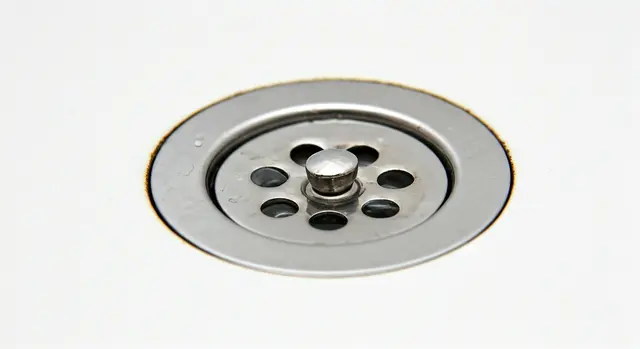
A slow-draining bath or shower is a common household nuisance, often signalling a build-up of debris in your pipes. While it might seem minor, ignoring it can lead to a complete blockage or even water damage. The good news is that most slow drains can be fixed with a few simple tools and a bit of elbow grease. This 2026 guide will walk you through the process, helping you tackle the issue safely and effectively.
What Causes a Slow-Draining Bath or Shower?
Understanding the culprits behind a sluggish drain can help you prevent future blockages:
- Hair: The most common cause, especially in showers. Loose hairs combine with soap to form stubborn clogs.
- Soap Scum: Residue from bar soap and body washes can build up on pipe walls, trapping other debris.
- Mineral Deposits: In hard water areas, limescale can accumulate, narrowing pipes and impeding flow.
- Grease and Oils: While less common in baths/showers than kitchen sinks, some products (e.g., bath oils, heavy conditioners) can contribute.
- Small Objects: Occasionally, jewellery or small toys can fall into the drain.
Tools You'll Need
Before you begin, gather these essentials:
- Rubber gloves and eye protection
- Old towels or rags
- A bucket (for catching water if cleaning the trap)
- Screwdriver (flathead or Phillips, depending on your drain cover)
- Pliers or an adjustable wrench
- Drain snake or a flexible hair unblocker tool (a straightened wire coat hanger can also work)
- Baking soda and white vinegar (optional, for a natural cleaner)
- Washing up liquid and boiling water (optional, for a flush)
Safety First
- Protect Yourself: Always wear rubber gloves to protect your hands from grime and potential bacteria. Eye protection is advisable, especially when dealing with splash-back or chemicals.
- Ventilation: Ensure the bathroom is well-ventilated, particularly if using any store-bought drain cleaners.
- Hot Water Caution: Be extremely careful when handling boiling water to avoid scalds.
- Never Mix Chemicals: Do not mix different drain cleaners, or chemical cleaners with natural solutions like vinegar and baking soda. This can create dangerous fumes or reactions.
Step-by-Step Guide to Clearing Your Drain
1. Remove the Drain Cover
Depending on your bath or shower, you might have a simple pop-up plug, a screw-in cover, or a grate. Use a screwdriver to remove any screws, or simply lift out a pop-up stopper. Be careful not to drop screws down the drain!
2. Manual Extraction with Pliers or a Hair Snake
This is often the most effective method for hair blockages:
- Inspect the Drain: Look into the drain opening. You might immediately see a clump of hair or debris.
- Use Pliers: If visible, use needle-nose pliers to grab and pull out any hair, soap scum, or other gunk.
- Insert a Drain Snake/Hair Unblocker: For blockages deeper down, carefully feed your drain snake or flexible hair unblocker tool into the drain. Twist and push it gently until you feel resistance.
- Hook and Pull: Once you've snagged the blockage, slowly and carefully pull the snake back out. You'll likely bring up a disgusting but satisfying amount of hair and grime.
- Repeat: Continue this process until you no longer feel significant resistance and the drain appears clearer.
3. The Boiling Water and Washing Up Liquid Flush (for minor grease/soap)
After manual removal, or for very minor blockages:
- Pour Washing Up Liquid: Squeeze about half a cup of washing up liquid down the drain.
- Follow with Boiling Water: Carefully pour a kettle-full of boiling water down the drain. The soap helps to break down grease and soap scum, and the hot water helps to flush it away.
- Wait and Flush: Let it sit for 20-30 minutes, then flush with hot tap water to see if the drain is clear.
4. Baking Soda and Vinegar Method (a natural approach)
This creates a fizzing reaction that can help dislodge build-up:
- Pour Baking Soda: Pour one cup of baking soda down the drain.
- Add White Vinegar: Follow immediately with one cup of white vinegar.
- Cover and Wait: Quickly cover the drain opening with the plug or a cloth to contain the chemical reaction. Let it sit for at least 30 minutes, or even overnight for tough clogs.
- Flush: After waiting, flush the drain thoroughly with hot tap water.
5. Using a Plunger
If the above methods haven't fully cleared the drain, a plunger can create suction to dislodge the blockage:
- Fill with Water: Ensure there's enough water in the bath or shower to cover the rim of the plunger.
- Create a Seal: Place the plunger firmly over the drain, ensuring a tight seal.
- Plunge Vigorously: Pump the plunger up and down rapidly for 15-20 seconds, keeping the seal.
- Remove and Check: Quickly pull the plunger off and check if the water drains freely. Repeat if necessary.
6. Cleaning the P-Trap (More Advanced)
The P-trap (or S-trap) is the U-shaped pipe directly beneath your bath or shower, designed to hold water and prevent sewer gases from entering your home. It's also where persistent blockages often reside. This method can be messy, so prepare with towels and a bucket.
- Place Bucket: Position a bucket directly under the P-trap to catch any water or debris.
- Loosen Nuts: Using pliers or an adjustable wrench, carefully loosen the slip nuts on both ends of the P-trap.
- Remove the Trap: Gently remove the P-trap. Be prepared for water to spill out.
- Clean the Trap: Manually clear any hair, soap scum, or debris from inside the trap. A bottle brush can be helpful.
- Reassemble: Reattach the P-trap, ensuring the slip nuts are tightened firmly (but don't overtighten, as this can crack plastic pipes).
- Test for Leaks: Run the tap water to check for any leaks around the newly reattached trap.
A Word on Chemical Drain Cleaners
While readily available, we generally advise caution with chemical drain cleaners. They are corrosive and can damage certain types of pipes (especially older or PVC pipes) over time. They also pose significant safety risks due to their harsh chemicals and can be harmful to the environment. If you do opt to use one, always follow the manufacturer's instructions precisely and ensure excellent ventilation.
Preventing Future Blockages
Once your drain is clear, take steps to prevent it from happening again:
- Use a Drain Protector: Simple mesh screens or hair catchers placed over the drain can significantly reduce hair entering the pipes.
- Regular Flushing: Periodically flush your drain with hot water after showering to help prevent soap scum build-up.
- Avoid Pouring Grease: Never pour grease or oils down any household drain.
- Hair Management: Brush hair before showering to minimise shedding down the drain.
When to Call a Professional Plumber
If you've tried these steps and the blockage persists, or if you're not comfortable tackling it yourself, it's time to call in a professional plumber. Other reasons to call an expert include:
- Multiple Drains Affected: If more than one drain in your home is slow or blocked, it could indicate a deeper problem in your main waste pipe.
- Persistent Issues: If your drain repeatedly blocks despite your best efforts.
- No Access: If your drain cover is sealed or you can't access the trap.
- Foul Odours: Unusual smells that persist could indicate a more serious blockage or pipe issue.
Booking a qualified plumber through FixDelivered is straightforward. You can tell us your emergency, and we'll connect you with local experts who can quickly diagnose and resolve the issue. Typically, for a straightforward blockage, expect to pay between £80-£150 for a call-out and the first hour's work in 2026. Complex issues or out-of-hours service will cost more, but the plumber's callout fee is agreed upfront.
Don't let a slow drain become a bigger problem. With these tips and the support of how FixDelivered works, you can keep your plumbing running smoothly. If you need a professional, remember you can find emergency plumbers near you or get a plumber now.
Frequently asked questions
How much does a plumber charge to clear a blocked drain in the UK?
Typically, for a straightforward blockage, expect to pay between £80-£150 for a call-out and the first hour's work in 2026. Complex issues or out-of-hours service will cost more, but the plumber's callout fee is agreed upfront.
Can I use chemical drain cleaner for a slow bath drain?
While they can work, chemical drain cleaners are corrosive, can damage pipes, and pose safety risks. We recommend trying manual methods first. If you must use them, follow instructions carefully and ensure good ventilation.
How often should I clean my shower drain?
For prevention, a quick clean every few weeks to remove surface hair is ideal. A deeper clean using baking soda and vinegar or a drain snake every 2-3 months can help prevent serious blockages.
Need a plumber now? Tell us your emergency and FixDelivered will find and confirm an available local plumber near you, usually within the hour.
Written by the FixDelivered Team. Reviewed by Rupert Lowe, Editor. Last updated 2026-09-01.