Boiler Leaking Water: Is It Safe & What to Do Now
By The FixDelivered Team · Updated 2026-08-12 · 7 min read
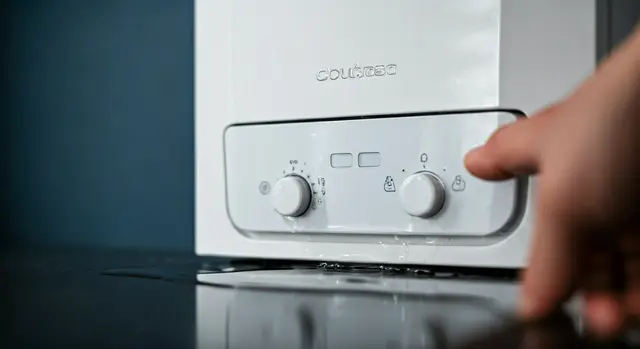
Finding your boiler leaking water can be a worrying experience. Whether it's a slow drip or a steady stream, a leaking boiler, especially if it's leaking from the bottom, demands immediate attention. This guide will walk you through the crucial steps to take, assess the safety implications, and explain why calling a qualified professional is always the best course of action for UK homeowners.
Is a Leaking Boiler Dangerous?
A leaking boiler can pose several risks, making it a situation that requires prompt action:
- Electrical Hazard: Water and electricity are a dangerous combination. If water from the leak comes into contact with electrical components, it can cause a short circuit, an electrical shock, or even a fire. Always prioritise turning off the power.
- Gas Leak Risk: While a water leak doesn't directly imply a gas leak, a fault within the boiler's internal components that causes a water leak could also compromise other parts, including those related to the gas supply. Any issue with a boiler should be treated with caution regarding gas safety.
- Property Damage: Even a small leak can cause significant damage over time. Water can rot floorboards, ruin ceilings (if the boiler is upstairs), damage plasterwork, and contribute to mould growth.
- Boiler Breakdown: A leak indicates a fault within the system. Ignoring it will almost certainly lead to reduced efficiency, further damage to components, and eventually, a complete boiler breakdown, leaving you without heating or hot water.
Given these potential dangers, it's crucial never to ignore a boiler leaking water and to act quickly and safely.
Why is My Boiler Leaking Water?
Boilers are complex appliances, and a leak can stem from various issues. Some common reasons why you might find your boiler leaking from the bottom or elsewhere include:
- High Pressure: If your boiler's pressure gets too high, the pressure relief valve (PRV) will activate to release excess water, typically dripping from an external pipe. This is a safety feature, but high pressure indicates an underlying problem.
- Loose Pipe Connections or Seals: Over time, seals can degrade, or pipe connections can become loose due to vibrations or temperature changes, leading to drips.
- Corroded Components: Internal pipes, fittings, or even the heat exchanger can corrode, especially in older boilers, creating pinhole leaks.
- Faulty Pump Seal: The pump circulates water through your heating system. If its internal seal fails, water can escape.
- Cracked Heat Exchanger: This is a serious and often costly problem. A cracked heat exchanger means water is leaking from the boiler's core, often due to extreme temperature fluctuations or age.
Diagnosing the exact cause of a leak requires expertise and specialist tools. It is not a job for a DIY enthusiast.
What to Do Immediately If Your Boiler is Leaking
If you discover your boiler leaking water, follow these critical steps immediately:
- Turn Off the Boiler's Power: Your absolute first priority is electrical safety. Locate the fused spur switch for your boiler (it often looks like a light switch next to the boiler) and turn it off. If you can't find it or are unsure, switch off the main power to your house at the consumer unit (fuse box).
- Turn Off the Water Supply to the Boiler: Next, you need to stop the flow of water into the boiler. You can do this in one of two ways:
- Main Stopcock: Locate your home's main stopcock (usually under the kitchen sink, in a utility room, or near the incoming water pipe). Turn it clockwise until the water flow stops completely. This will cut off water to your entire house.
- Boiler Isolation Valves: If you can safely identify them, your boiler will have isolation valves on the flow and return pipes (often red and blue handles). Turning these off will isolate the boiler without affecting your main water supply, but only attempt this if you are confident.
- Contain the Leak: Place buckets, bowls, and old towels underneath and around the leaking area to collect the escaping water and prevent further damage to your property. If the boiler is leaking from the bottom, ensure containers are directly beneath the drip.
- Assess the Leak (Carefully): While you should not attempt to fix it, try to observe where the water is coming from (e.g., boiler leaking from bottom, near a specific pipe, from a valve). Note the amount of water and any unusual sounds. This information will be helpful for the engineer.
- Call a Gas Safe Registered Engineer: Once the immediate safety and containment steps are taken, you must contact a qualified professional. Do not attempt to repair the boiler yourself. Boiler repairs, especially for leaks, must be carried out by a Gas Safe registered plumber.
When to Call a Professional
You should always call a Gas Safe registered engineer if your boiler is leaking. A boiler is a complex appliance that deals with both gas and high-pressure water, and any internal fault requires professional expertise. Attempting to fix a boiler leak yourself is not only dangerous but could also invalidate your warranty and lead to more costly repairs.
A Gas Safe engineer has the training, tools, and legal authorisation to diagnose and repair boiler faults safely. They can identify the exact cause of the leak, replace faulty parts, and ensure your boiler operates safely and efficiently. If you need emergency plumbers near you, FixDelivered can help.
Understanding Boiler Leak Causes in More Detail
Let's delve a little deeper into some of the common causes:
- Pressure Relief Valve (PRV) Discharge: If your boiler's pressure gauge consistently reads above 2.5-3 bar, the PRV will release water to prevent over-pressurisation. This could be due to a faulty expansion vessel or an overfilled system.
- Loose Joints and Seals: Rubber seals and O-rings inside the boiler can perish or become brittle with age, losing their watertight integrity. Likewise, copper or plastic pipe joints can work loose, particularly if they weren't tightened correctly during installation or have been subject to thermal stress.
- Corrosion: The presence of sludge and rust in your heating system can lead to internal corrosion. This can eat away at the metal components of your boiler, including the heat exchanger, eventually causing leaks. A powerflush can sometimes help prevent this, but once a component is corroded through, it needs replacing.
Preventing Boiler Leaks
While some leaks are unavoidable, you can significantly reduce the risk by:
- Annual Boiler Servicing: This is the single most effective preventative measure. A Gas Safe registered engineer will check your boiler's components, pressure, and connections, identifying potential issues before they become major leaks.
- Regular Pressure Checks: Keep an eye on your boiler's pressure gauge. It should typically be between 1 and 1.5 bar when the system is cold. If it's consistently too high or too low, consult an engineer.
- Consider a Magnetic Filter: These filters collect metallic sludge from your system, preventing it from circulating and causing internal corrosion in your boiler.
How FixDelivered Can Help
When your boiler is leaking, you need a reliable, qualified professional quickly. FixDelivered connects you with Gas Safe registered plumbers in your local area who can attend to your emergency. We understand the urgency of a leaking boiler, which is why we make it simple to tell us your emergency and get help fast. Our service ensures you get an agreed-upon upfront price for the plumber's call-out, and you can learn more about how FixDelivered works on our site.
Typically, for a boiler leak, you can expect a call-out fee from a Gas Safe engineer to be in the region of £70-£120. Repair costs can vary widely depending on the faulty part, from around £150-£400+ for common issues like a new pressure relief valve or pump seal. If the issue is severe, such as a cracked heat exchanger, a new boiler installation could be necessary, which typically costs £1,500-£3,500+ in 2026, including fitting.
Conclusion
A boiler leaking water, especially if it's leaking from the bottom, is a serious issue that demands immediate and professional attention. Prioritise safety by turning off the power and water supply, contain the leak, and then contact a Gas Safe registered engineer without delay. Never attempt to fix a boiler leak yourself. By taking swift action and calling a qualified professional, you can minimise damage and restore your home's heating and hot water safely and efficiently.
Frequently asked questions
Is a boiler leak dangerous?
Yes, a boiler leak can be dangerous due to the risk of electrical shock if water contacts electrical components, potential property damage, and the underlying fault could compromise gas safety. Always treat a boiler leak as an emergency.
Can I fix a boiler leak myself?
No, you should never attempt to fix a boiler leak yourself. Boilers are complex appliances that deal with both gas and high-pressure water. Any internal repair must be carried out by a Gas Safe registered engineer to ensure safety and compliance.
How much does it cost to fix a leaking boiler in the UK?
In 2026, a Gas Safe engineer's call-out fee for a boiler leak typically ranges from £70-£120. Repair costs vary significantly based on the fault, from £150-£400+ for common issues like a faulty pressure relief valve or pump seal. A new boiler might cost £1,500-£3,500+ if the leak is severe and unrepairable.
What are common causes of boiler leaks?
Common causes include high system pressure leading to the pressure relief valve discharging, loose pipe connections or degraded seals, corrosion of internal components like pipes or the heat exchanger, and faulty pump seals. All these issues require professional diagnosis and repair.
Need a plumber now? Tell us your emergency and FixDelivered will find and confirm an available local plumber near you, usually within the hour.
Written by the FixDelivered Team. Reviewed by Rupert Lowe, Editor. Last updated 2026-08-12.