Overflowing Outside Drain or Manhole: What to Do
By The FixDelivered Team · Updated 2026-09-01 · 6 min read
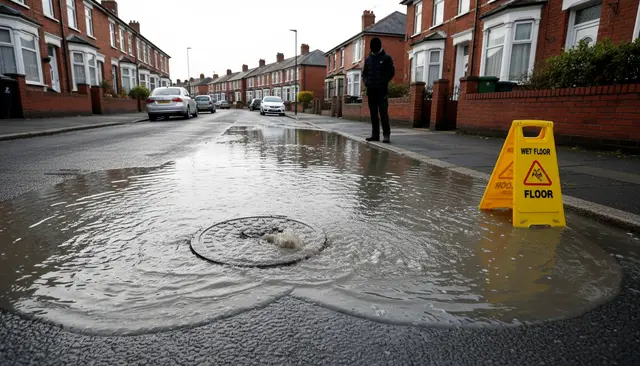
Finding an outside drain or manhole overflowing can be alarming and potentially hazardous. It’s a clear sign that wastewater isn't flowing freely through your drainage system or the public sewer network. Understanding why it's happening and what to do next is crucial for both your property and public health.
What Causes an Outside Drain or Manhole to Overflow?
An overflowing drain or manhole typically points to a blockage preventing water from passing through. The cause can range from simple household waste to more complex structural issues.
Blocked Sewer Pipes
This is the most common reason. Blockages can occur in pipes serving only your property (private drains) or in the larger network shared by multiple properties (public sewers).
Fat, Oil, and Grease (FOG) Build-up
Pouring cooking fats, oils, and grease down the sink allows them to cool and solidify in pipes, creating stubborn blockages. These 'fatbergs' are a major cause of blocked sewer systems.
Non-Flushable Items
Items like wet wipes (even those marketed as 'flushable'), sanitary products, cotton buds, and nappies do not break down in water like toilet paper. They accumulate and cause severe blockages.
Tree Roots
Tree roots are naturally drawn to water sources. They can penetrate tiny cracks in pipes, grow inside, and create extensive blockages, sometimes even collapsing the pipe structure.
Collapsed Pipes
Older drainage systems, ground movement, or heavy loads above pipes can lead to them cracking or collapsing. This creates an immediate and severe blockage point.
Heavy Rainfall
While less common for internal drains, extremely heavy rainfall can overwhelm the capacity of the drainage system, especially if there's an existing partial blockage, causing water to back up and overflow from manholes or gully traps.
Is it a Public or Private Drain?
Identifying whether the overflowing drain is part of the public sewer system or your private property's drainage is vital, as it determines who is responsible for fixing it and who covers the cost.
- Private Drains: These are pipes that serve only your property and are usually within your property boundary. You are typically responsible for their maintenance and repair.
- Public Sewers: These are pipes that serve more than one property and are adopted by your local water company. They are responsible for maintaining and repairing these. Manholes often indicate the presence of a public sewer, but not always.
As a rough guide, if the overflow is from a drain or manhole that collects water from multiple properties, it's likely a public sewer. If it only collects water from your property, it's probably a private drain. If you're unsure, contact your water company for clarification.
Immediate Steps When You Find an Overflowing Drain
Safety is paramount when dealing with overflowing drains, especially if raw sewage is present.
- Stay Safe: Avoid direct contact with the overflowing water, as it may contain harmful bacteria. Keep children and pets away from the area. If possible, cordon off the affected area.
- Identify the Source: Try to determine if the overflow is from a drain that serves only your property or if it's a shared drain/manhole. This will guide your next steps regarding responsibility.
- Stop Using Water: If you suspect the blockage is in your private drain, immediately stop using all water-consuming appliances and facilities (toilets, showers, washing machine, dishwasher) to prevent further overflow.
- Contact the Right Authority:
- If it's a public sewer: Contact your local water company immediately. They have a legal responsibility to deal with blockages and repairs in the public network.
- If it's a private drain: You will need to arrange for a plumber to investigate and clear the blockage. If you need a qualified professional fast, you can tell us your emergency and get connected with local plumbers.
DIY Checks for Minor Blockages
For minor, clear water overflows from a private gully or drain, you might be able to perform some simple checks. Do not attempt these if raw sewage is present or if you are unsure of the safety.
Tools You Might Need:
- Strong rubber gloves
- Torch
- Bucket
- Old clothes
- Drain rods (if you have them and know how to use them safely)
Steps:
- Assess Safely: With gloves on, carefully inspect the overflowing area. Look for obvious debris, leaves, or mud near the drain opening.
- Check Nearby Drains: See if other drains on your property are also overflowing or if water is backing up in sinks or toilets. This can help narrow down the location of the blockage.
- Remove Visible Debris: If you can see a clear obstruction like a pile of leaves or a small object near the drain opening, carefully remove it. Use a stick or gloved hand, but avoid reaching deep into the drain.
- Try a Drain Unblocker (Caution): For some slow-draining gullies, an enzymatic drain cleaner (which breaks down organic matter) might help. Avoid strong chemical unblockers, especially if the drain is completely blocked, as they can sit stagnant and cause corrosion or be hazardous for plumbers later.
- Use Drain Rods (If Experienced): If you have drain rods and are comfortable using them, you can carefully insert them into the drain opening, twisting and pushing to try and dislodge a blockage. Be gentle to avoid damaging pipes.
When to Call a Professional
You should always call a professional plumber if:
- The overflow is from a public sewer (contact your water company first).
- Your DIY attempts fail to clear the blockage.
- Raw sewage is present, posing a health risk.
- The blockage is persistent or recurs frequently.
- You suspect structural damage to the pipes.
- You are unsure or uncomfortable performing DIY checks.
A professional plumber will have specialist equipment like CCTV drain cameras to identify the exact cause and location of the blockage, and high-pressure jetting equipment to clear it effectively. Typical costs for emergency drain unblocking in the UK in 2026 can range from £80 to £250, depending on the complexity and time of call-out, plus any repair costs if damage is found.
Preventing Future Overflowing Drains
Prevention is always better than cure:
- Be Mindful of What You Flush: Only flush the 'three Ps' – pee, poo, and paper. Dispose of wet wipes, sanitary products, and other non-biodegradable items in the bin.
- Proper FOG Disposal: Scrape food scraps and pour cooled cooking fats, oils, and grease into a container, then dispose of it in your general waste bin.
- Regular Maintenance: Keep outside gullies and drains clear of leaves, soil, and debris, especially during autumn and heavy rainfall.
- Address Tree Roots: If you have large trees near your drains, consider professional advice on root barriers or regular drain inspections.
How FixDelivered Can Help
If you're facing an overflowing drain and need a qualified plumber fast, FixDelivered can connect you with emergency plumbers near you. Our platform ensures you get upfront pricing and access to trusted local professionals.
We understand the urgency of plumbing emergencies. Our network of experienced plumbers is ready to respond quickly, helping you resolve your overflowing drain issue efficiently and safely. For more information on how FixDelivered works, visit our site or browse plumbers in your area.
Don't let an overflowing drain cause further damage or health risks. Take the right steps, and don't hesitate to call a professional when needed. You can also find more helpful advice in our plumbing emergency guides.
Frequently asked questions
What should I do if my outside drain is overflowing?
First, ensure safety by avoiding contact with the water. If it's a shared drain or manhole, contact your local water company. If it's a private drain (serving only your property), stop using water and call a qualified plumber immediately.
Who is responsible for a blocked outside drain?
Responsibility depends on whether it's a private drain or a public sewer. You are typically responsible for private drains within your property boundary. Your water company is responsible for public sewers that serve multiple properties. If unsure, contact your water company.
Can I use chemical drain cleaner for an overflowing outside drain?
It's generally not recommended for a fully overflowing drain, especially if sewage is present. Strong chemicals can be hazardous, sit stagnant, and potentially damage pipes or harm plumbers later. For minor, clear water blockages, enzymatic cleaners are a safer alternative, but professional help is best for serious overflows.
How much does it cost to unblock an outside drain in the UK?
As a rough guide for 2026, emergency drain unblocking in the UK typically costs between £80 and £250, depending on the severity of the blockage, the equipment needed (e.g., jetting), and the time of the call-out. This does not include potential repair costs if the pipe is damaged.
Need a plumber now? Tell us your emergency and FixDelivered will find and confirm an available local plumber near you, usually within the hour.
Written by the FixDelivered Team. Reviewed by Rupert Lowe, Editor. Last updated 2026-09-01.