Carbon Monoxide Alarm Going Off: Your Immediate Steps
By The FixDelivered Team · Updated 2026-08-22 · 5 min read
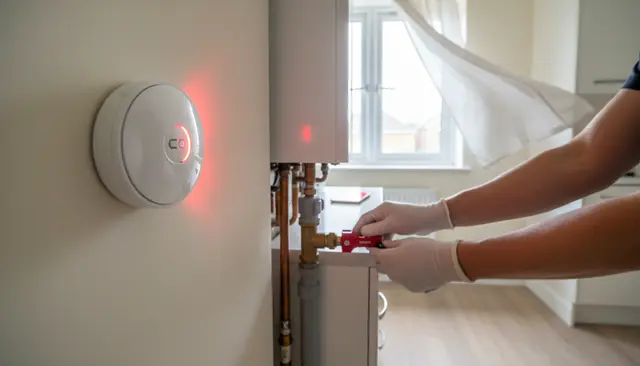
A carbon monoxide (CO) alarm is a vital safety device in any home, designed to alert you to the presence of a silent, invisible, and odourless killer gas. Unlike smoke, you can't see or smell carbon monoxide, making its detector your only warning system. If your CO alarm goes off, it's not a drill – it’s an urgent signal that demands immediate and decisive action to protect yourself and your household.
Understanding the Danger of Carbon Monoxide
Carbon monoxide is produced when fuels such as gas, oil, coal, and wood don't burn completely. Common sources in the home include faulty boilers, cookers, gas fires, and even blocked flues or chimneys. When inhaled, CO prevents your blood from carrying oxygen, leading to serious health issues, permanent brain damage, or even death. Early symptoms can mimic flu, including headaches, dizziness, nausea, and breathlessness, making it particularly insidious.
Your Immediate Action Plan: What to Do When the Alarm Sounds
Your safety is the absolute priority. Follow these steps without hesitation:
- Evacuate Immediately: As soon as the alarm sounds, open all windows and doors on your way out of the property to ventilate as much as possible, but do not delay your exit. Get everyone, including pets, out of the house and into fresh air. Do not stop to gather belongings.
- Do NOT Turn Off the Alarm: Leave the alarm running. It will continue to monitor CO levels and provide crucial information to emergency services.
- Call Emergency Services (999): From a safe location outside your home (e.g., a neighbour's house or your mobile phone once you are a safe distance away), immediately call 999. Tell them your carbon monoxide alarm is sounding. They will dispatch the fire brigade and/or gas emergency services.
- Do NOT Re-enter Your Home: Under no circumstances should you go back inside your property until the emergency services have declared it safe to do so. They have specialist equipment to detect and measure CO levels.
- Seek Medical Attention: If anyone in your household is experiencing symptoms of carbon monoxide poisoning (headache, dizziness, nausea, vomiting, breathlessness, collapse), inform the emergency services and seek medical attention immediately.
What Happens Next?
Once the emergency services arrive, they will investigate the cause of the alarm. This typically involves:
- Using specialised equipment to measure CO levels in your property.
- Identifying the source of the carbon monoxide leak.
- Ensuring the property is safely ventilated and CO levels have returned to safe limits.
- Advising you on the next steps, which will almost certainly involve having any gas appliances inspected and repaired by a qualified professional.
After the All-Clear: Calling a Professional
Once the emergency services have given you the all-clear to re-enter your home, it is absolutely critical to have all gas appliances thoroughly checked by a Gas Safe registered plumber. This includes your boiler, gas fires, cookers, and any other gas-burning appliances. Even if the fire brigade identified a likely source, a Gas Safe engineer will perform a comprehensive inspection to ensure all appliances are operating safely and correctly, and that flues and ventilation are clear.
Do not use any gas appliances until they have been inspected and certified safe by a Gas Safe registered engineer. This is not a job for DIY or an unregistered handyman. A faulty appliance could put your life at risk again.
If you need to find a qualified and local Gas Safe registered engineer quickly, FixDelivered can help. You can tell us your emergency and we'll connect you with local professionals who can diagnose and fix the issue safely and efficiently. Our system makes it easy to find emergency plumbers near you when you need them most.
Understanding Your Carbon Monoxide Alarm
Knowing a little about your CO alarm can help you understand its signals:
- Alarm vs. Fault/End-of-Life: A true CO alarm typically involves a loud, continuous beep (often 4 quick beeps followed by a pause). A single chirp or different pattern usually indicates a low battery or that the unit has reached its end-of-life and needs replacing. Always consult your alarm's manual if you're unsure.
- Placement: CO alarms should be installed in every room with a fuel-burning appliance, and in rooms where people sleep.
- Testing: Regularly test your CO alarm by pressing the 'test' button, typically once a month.
- Lifespan: CO alarms have a limited lifespan, usually 5-7 years, after which they need to be replaced. Check the manufacturer's date on the back of your unit.
Prevention is Key
While reacting quickly to an alarm is crucial, preventing CO leaks in the first place is even better:
- Annual Servicing: Ensure all gas appliances (boilers, fires, cookers) are serviced annually by a Gas Safe registered plumber.
- Clear Flues and Chimneys: Make sure flues and chimneys are swept and unblocked regularly.
- Adequate Ventilation: Never block air vents. Ensure rooms with fuel-burning appliances have proper ventilation.
- Install and Maintain Alarms: Fit CO alarms in appropriate locations and test them monthly. Replace them according to the manufacturer's instructions.
Ignoring a carbon monoxide alarm is never an option. By knowing exactly what to do, you can protect yourself and your loved ones from this deadly gas. Remember, your CO alarm is a life-saving device, and its warning should always be taken seriously.
When you need reliable, qualified plumbers for inspections or repairs after a CO incident, FixDelivered can connect you with local professionals quickly and efficiently. You can learn more about how FixDelivered works and find support through our plumbing emergency guides.
Frequently asked questions
What should I do first if my carbon monoxide alarm goes off?
Immediately evacuate everyone, including pets, from the property into fresh air. Do not stop to gather belongings. Call 999 from a safe location outside.
Can I go back into my house after the CO alarm sounds?
No, absolutely not. Do not re-enter your home until the emergency services (fire brigade/gas emergency services) have thoroughly checked the property and declared it safe.
Who should I call after the emergency services leave?
After the emergency services have given the all-clear, you must contact a Gas Safe registered plumber to inspect all your gas appliances and identify/rectify the source of the CO leak. Do not use any gas appliances until they have been certified safe.
What's the difference between a CO alarm and a smoke alarm?
A CO alarm detects carbon monoxide, an invisible and odourless gas produced by incomplete combustion. A smoke alarm detects smoke from fires. Both are essential safety devices, but they detect different threats.
How often should I test my carbon monoxide alarm?
You should test your carbon monoxide alarm monthly by pressing the 'test' button. Also, ensure you replace the unit according to the manufacturer's instructions, typically every 5-7 years.
Need a plumber now? Tell us your emergency and FixDelivered will find and confirm an available local plumber near you, usually within the hour.
Written by the FixDelivered Team. Reviewed by Rupert Lowe, Editor. Last updated 2026-08-22.