Sewage Smell in House: Causes & Fixes
By The FixDelivered Team · Updated 2026-08-27 · 6 min read
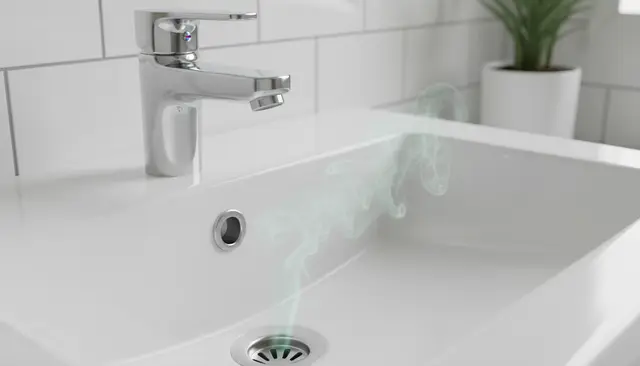
A foul, persistent smell of sewage or drains in your home is more than just unpleasant; it's often a clear sign of a plumbing problem that needs addressing. Ignoring it can lead to more significant issues down the line, from minor annoyances to potential health hazards. This guide will help you understand the common causes of a sewage smell in your house and what steps you can take to resolve it.
What Causes a Sewage or Drain Smell?
Identifying the source is the first step to fixing the problem. Here are the most common culprits behind that unwelcome odour:
1. Dry P-Trap or U-Bend
Every sink, bath, and shower in your home has a P-trap (or U-bend) beneath it. This U-shaped pipe is designed to hold a small amount of water, creating a seal that prevents sewer gases from entering your home. If a fixture isn't used for a while, this water can evaporate, breaking the seal and allowing odours to escape. This is a very common cause of a drain smell.
2. Blocked or Partially Blocked Drains
Hair, grease, soap scum, and other debris can build up in your pipes, causing a blockage. This stagnant organic matter can decompose, producing a strong, sewage-like smell. A partial blockage can also slow drainage, allowing water to sit and emit odours.
3. Venting Issues
Your plumbing system has a vent pipe, usually extending through the roof, which regulates air pressure in the drainage system and allows sewer gases to escape harmlessly outdoors. If this vent pipe becomes blocked (e.g., by leaves, bird nests, or even snow) or is improperly installed, it can lead to negative pressure in the system, 'sucking' water out of P-traps and allowing gases into your home. You might also hear gurgling sounds from your drains if this is the case.
4. Leaking Drain Pipes
If a waste pipe has a crack, a loose connection, or a worn seal, sewage water can leak out, and sewer gases can escape directly into your home. These leaks are often hidden behind walls or under floors, making them harder to detect but still noticeable by the smell.
5. Damaged Toilet Wax Ring/Seal
The wax ring forms a watertight and airtight seal between the bottom of your toilet and the drainpipe. If this ring degrades, cracks, or is installed incorrectly, it can allow water to leak and, more importantly, sewer gases to escape from around the base of the toilet.
6. Damaged or Improperly Installed Sewer Line
While less common, a significant crack or break in your main sewer line, or an incorrect installation, can be a major source of a sewage smell, particularly if it's outside near your property or affecting multiple drains.
7. Potential Gas Leak (Important Safety Note)
While often distinct, some people can confuse the smell of natural gas with sewage, particularly if they are not familiar with the 'rotten egg' odour of the gas additive mercaptan. If you suspect a gas leak (e.g., you hear a hissing sound, or the smell is stronger and more chemical-like), do not attempt to fix it yourself. Turn off your gas supply at the meter, open windows and doors, evacuate your property, and call the National Gas Emergency Service (0800 111 999) and a Gas Safe registered engineer immediately. Any work on gas appliances or pipes must ONLY be carried out by a Gas Safe registered plumber.
What You Can Do: DIY Fixes
Before calling a professional, try these steps:
- Identify the Source: Try to pinpoint which drain or area the smell is strongest. This will help you focus your efforts.
- Pour Water Down Unused Drains: For sinks, baths, or showers that haven't been used recently, run the tap for a minute or two. This will refill any dry P-traps and should re-establish the water seal. Do this for all drains, including utility sinks and floor drains.
- Clean Your Drains: For minor blockages and smells, try a natural drain cleaner. Pour half a cup of baking soda down the drain, followed by half a cup of white vinegar. Let it sit for 30 minutes to an hour (or even overnight), then flush with hot water. Repeat if necessary. Avoid harsh chemical cleaners as they can damage pipes.
- Check for Visible Leaks: Look under sinks, around toilet bases, and near exposed pipes for any signs of water leaks or dampness. Tighten any loose connections you can safely access.
- Clean Around the Toilet Base: Sometimes, the smell isn't from the drain but from urine splashes around the base of the toilet that have seeped into grout or flooring. Give the area a thorough clean.
When to Call a Professional Plumber
If the sewage smell persists after your DIY efforts, if you suspect a hidden leak, or if you have any doubts about the cause, it's time to call in a professional. A qualified plumber has the tools and expertise to accurately diagnose and fix the problem.
You should definitely call a professional if:
- The smell is pervasive and affects multiple areas of your home.
- You hear gurgling sounds from your drains or toilet.
- Drains are consistently slow, even after cleaning.
- You suspect a broken or leaking pipe behind a wall or under the floor.
- The problem is related to your main sewer line or vent stack.
- You've tried DIY solutions, and the smell returns quickly.
FixDelivered connects you with qualified emergency plumbers near you, often available rapidly to assess and resolve these unpleasant issues. Simply tell us your emergency, and we'll help you find a local expert.
Typical Costs for Addressing a Drain/Sewage Smell (UK 2026)
The cost of fixing a sewage or drain smell can vary significantly depending on the cause and complexity of the repair. As a rough guide:
- Plumber Call-Out Fee: Expect to pay anywhere from £70 to £150 for a plumber to assess the issue, often including the first hour of labour.
- Simple Fix (e.g., refilling P-trap, minor drain clear): If it's a quick fix like a dry P-trap or a straightforward drain unblock, you might pay between £100 and £250.
- Moderate Fix (e.g., clearing a stubborn blockage, replacing a toilet wax ring): This could range from £150 to £350, depending on access and parts.
- Complex Fix (e.g., hidden leak detection, pipe repair, vent stack issue): More involved work, especially if it requires opening walls or floors, could cost £250 to £600+. Major sewer line repairs can run into thousands.
These are typical prices for a professional to diagnose and rectify the problem. The exact cost will be agreed upon with your chosen plumber before any work commences. You can learn more about how FixDelivered works to get transparent pricing.
Conclusion
A sewage or drain smell in your home is a clear indicator that something isn't right with your plumbing system. While some issues can be resolved with simple DIY steps, persistent or widespread odours usually require the attention of a professional plumber. Addressing these problems promptly will restore comfort to your home and prevent minor issues from escalating into costly repairs.
Frequently asked questions
Why does my bathroom smell like sewage?
Common causes for a sewage smell in a bathroom include a dry P-trap (U-bend) under a sink, shower, or bath, a blocked drain, a faulty toilet wax ring, or issues with your plumbing's vent system.
What is a P-trap and how does it prevent smells?
A P-trap (or U-bend) is a U-shaped pipe under every drain that holds a small amount of water. This water creates a barrier, preventing noxious sewer gases from entering your home through the drain opening.
Can a blocked drain cause a sewage smell?
Yes, absolutely. A build-up of organic matter like hair, soap scum, and grease in a drain can decompose over time, producing a strong, unpleasant sewage-like odour.
When should I call a plumber for a sewage smell?
You should call a plumber if the smell persists after you've tried refilling P-traps and cleaning drains, if you suspect a hidden leak, if multiple drains are affected, or if you hear gurgling sounds from your pipes.
Is a sewage smell dangerous?
While the smell itself is primarily unpleasant, prolonged exposure to sewer gases (which contain methane, hydrogen sulphide, and ammonia) can cause symptoms like headaches, nausea, and fatigue. It can also indicate a significant plumbing defect that could lead to water damage or other issues.
Need a plumber now? Tell us your emergency and FixDelivered will find and confirm an available local plumber near you, usually within the hour.
Written by the FixDelivered Team. Reviewed by Rupert Lowe, Editor. Last updated 2026-08-27.