Toilet Leaking from Base: Causes & Quick Fixes
By The FixDelivered Team · Updated 2026-08-17 · 6 min read
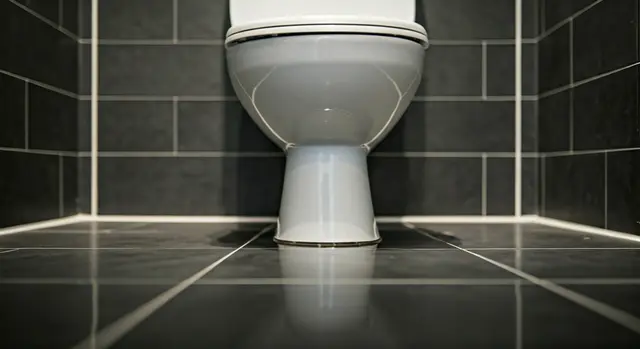
Finding water around the base of your toilet is never a welcome sight. Not only can it be messy and unhygienic, but if left unaddressed, a toilet leaking from its base can lead to significant water damage to your flooring, subfloor, and even the ceiling below. Acting quickly is key to minimising the damage and resolving the issue.
Immediate Action: Stop the Flow!
Before you do anything else, your priority is to stop the water from leaking. This will prevent further damage while you investigate the cause.
- Turn Off the Water Supply: Look for the isolation valve (also known as a service valve or stopcock) typically located on the pipe leading to the toilet cistern, usually on the left or right side underneath the tank. Turn the valve clockwise until the water stops flowing into the cistern. If you can't find this, you might need to turn off the main water supply to your home.
- Mop Up the Water: Use old towels or a mop to absorb as much standing water as possible. This will help prevent water damage and make it easier to see where the leak is coming from.
- Flush the Toilet (Once): After turning off the water, flush the toilet once to empty the cistern and the pan. This will remove any remaining water that could leak out.
Why is Your Toilet Leaking from the Base? Common Causes
A leak at the base of your toilet usually indicates a problem with the seal between the toilet pan and the waste pipe, or a leak higher up that's running down. Here are the most common culprits:
1. Loose Pan Bolts
The toilet pan is secured to the floor with two bolts, often hidden under plastic caps at the base. If these bolts become loose, the toilet can rock slightly, breaking the seal between the pan and the waste pipe, leading to water around the base of toilet.
2. Damaged Wax or Foam Seal
Beneath the toilet pan, where it connects to the waste pipe in the floor, there's a wax ring or a foam seal. This seal is crucial for creating a watertight connection. Over time, these seals can degrade, dry out, or become dislodged, especially if the toilet has rocked or been removed and reinstalled incorrectly. This is a very common reason for a toilet leaking from base.
3. Cracked Toilet Pan
While less common, a hairline crack in the ceramic toilet pan itself can cause water to seep out, especially when flushed. These cracks can be hard to spot, but they often become apparent as water appears around the base.
4. Leaks from the Cistern or Inlet Pipe
Sometimes, the water isn't coming from the base at all, but from a leak higher up that's simply running down the outside of the toilet pan and pooling at the bottom. This could be due to:
- A loose or damaged inlet pipe connection (where the water supply enters the cistern).
- A faulty fill valve (ballcock) causing the cistern to overfill and water to overflow into the overflow pipe, which then runs down the back of the toilet.
- A cracked cistern.
- Loose cistern bolts (connecting the cistern to the pan).
5. Blocked Waste Pipe
If the main waste pipe is partially or fully blocked further down the line, water can back up when you flush. This pressure can force water out from under the pan seal, or even cause the toilet to overflow, making it appear as though the leak is from the base.
6. Condensation
In very humid bathrooms, especially during colder weather, cold water in the cistern can cause condensation to form on its exterior. This condensation can drip down and collect around the base, mimicking a leak. This is usually more noticeable when the toilet hasn't been flushed for a while and the cistern water is very cold.
DIY Troubleshooting: Pinpointing the Leak
Once the water is off and the area is dry, you can try to identify the exact source of the leak:
- Visual Inspection: Carefully inspect the entire toilet, from the inlet pipe connection to the cistern, and down the outside of the pan. Look for any drips, cracks, or trails of water.
- Dye Test for Cistern Leaks: Add a few drops of food colouring (dark blue or red works well) to the water in the cistern. Wait 15-20 minutes without flushing. If coloured water appears around the base or in the toilet bowl, you know the leak is coming from inside the cistern.
- Check Pan Stability: Gently try to rock the toilet pan. If it wobbles, the pan bolts are likely loose, or the seal beneath is compromised.
DIY Fixes for Simple Leaks
If you've identified a simple cause, you might be able to fix it yourself.
Tools You Might Need:
- Adjustable spanner or wrench
- Screwdriver (flathead or Phillips, depending on bolt type)
- Old towels or sponges
- Rubber gloves
1. Tightening Pan Bolts
If your toilet is rocking, tightening the pan bolts might solve the issue.
- Locate the plastic caps at the base of the toilet covering the bolts. Pry them off carefully with a flathead screwdriver.
- Using an adjustable spanner or appropriate wrench, gently tighten the nuts on the bolts. Do not overtighten, as this can crack the ceramic pan. Tighten until snug, ensuring the toilet no longer rocks.
- Replace the caps.
- Turn the water supply back on and flush the toilet several times, checking carefully for any signs of a leak.
2. Addressing Condensation
If condensation is the culprit, improving ventilation in your bathroom (e.g., using an extractor fan, opening a window) or insulating the inside of your cistern (with a cistern jacket from a DIY store) can help.
When to Call a Professional Plumber
While some leaks can be fixed with DIY efforts, many require the expertise of a professional. You should definitely call a plumber if:
- The leak persists after your DIY attempts.
- You suspect a damaged wax or foam seal. Replacing this seal involves removing the toilet pan, which is heavy, can be messy, and if not done correctly, can lead to further leaks or damage.
- There's a crack in the toilet pan or cistern. These usually require replacement of the affected unit.
- You have a blocked waste pipe. This can be a complex issue requiring specialist tools like drain snakes or jetting equipment.
- You're unsure of the cause or lack the necessary tools or confidence.
- The leak is significant and causing immediate damage.
Finding a Reliable Plumber Fast
When you have a toilet leaking from the base, you need a qualified plumber quickly. FixDelivered connects you with emergency plumbers near you who can diagnose and fix the problem efficiently. Simply tell us your emergency, and we'll help you find a local professional. You can also learn more about how FixDelivered works.
Don't let a leaking toilet cause extensive damage to your home. Address the issue promptly, and don't hesitate to call a professional if needed to ensure the repair is done correctly and safely.
Frequently asked questions
Why is there water pooling around the base of my toilet?
Water pooling around the base of your toilet usually indicates a leak from the pan's seal (wax ring or foam), loose pan bolts, a crack in the toilet pan, or a leak from higher up (like the cistern or inlet pipe) that's running down. It could also be due to condensation on the cistern in humid conditions.
What should I do immediately if my toilet is leaking from the base?
Immediately turn off the water supply to the toilet using the isolation valve on the pipe leading to the cistern. If you can't find it, turn off the main water supply to your home. Then, mop up all standing water to prevent damage and make it easier to locate the leak source.
Can I fix a toilet leaking from the base myself?
You might be able to fix simple issues like loose pan bolts by carefully tightening them. If the leak is due to condensation, improving ventilation or insulating the cistern can help. However, for more complex issues like a damaged wax seal, a cracked pan, or a blocked waste pipe, it's best to call a professional plumber as these require specialist tools and expertise.
How much does it cost to fix a toilet leaking from the base?
The cost to fix a toilet leaking from its base varies significantly based on the cause and your location in the UK. Simple fixes like tightening bolts might be a minimal call-out fee (typically around £80-£120 for an initial visit in 2026). More complex jobs like replacing a wax seal or repairing a blocked waste pipe could range from £150 to £350 or more, especially if parts need replacing or extensive labour is involved. Always get an upfront quote from your plumber.
Need a plumber now? Tell us your emergency and FixDelivered will find and confirm an available local plumber near you, usually within the hour.
Written by the FixDelivered Team. Reviewed by Rupert Lowe, Editor. Last updated 2026-08-17.