Advice & guides › Prevention & Maintenance
Get Your Central Heating Winter-Ready
By The FixDelivered Team · Updated 2026-08-15 · 6 min read
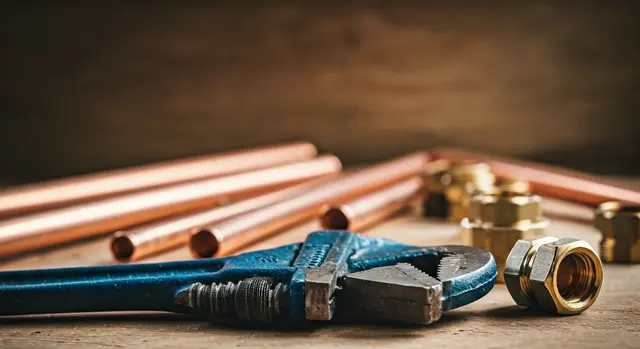
As the days shorten and the temperature drops, the last thing anyone wants is a central heating system that splutters into life – or worse, doesn't start at all. Taking a few proactive steps to prepare your heating for winter can save you from chilly nights, costly emergency repairs, and unnecessary stress. This guide will walk you through essential DIY checks and explain when it's crucial to call in a professional.
DIY Checks to Get Your Heating Winter-Ready
Before the real cold sets in, there are several simple checks you can perform yourself to ensure your heating system is in good working order.
1. Bleed Your Radiators
Air can become trapped in your central heating system, preventing hot water from circulating properly. This often results in radiators that are cold at the top but warm at the bottom, or don't heat up at all. Bleeding your radiators releases this trapped air, improving efficiency and warmth.
Tools You'll Need:- A radiator key (available at most hardware shops)
- A cloth or small tray to catch any drips
- Turn off your central heating system: Ensure the boiler is off and the system has cooled down. This prevents hot water from spraying out and ensures all air has risen to the top of the radiators.
- Locate the bleed valve: This is usually a small, square or slotted screw on the side of the radiator, near the top.
- Insert the radiator key: Place your cloth or tray underneath the valve.
- Turn the key slowly, anti-clockwise: You should hear a hissing sound as air escapes.
- Watch for water: Once water starts to trickle out steadily (without air bubbles), turn the key clockwise to close the valve. Don't overtighten.
- Repeat for all radiators: Work your way around the house, starting with the radiator furthest from the boiler.
- Check your boiler pressure: After bleeding, your system pressure may drop. Check your boiler's pressure gauge and repressurise if necessary (see next section).
If you bleed your radiators but they remain cold, or if you consistently find air in your system, it might indicate a more significant issue like a sludge build-up or a faulty pump. In such cases, it's best to consult a professional plumber.
2. Check Your Boiler Pressure
Your boiler's pressure is vital for its efficient operation. Most boilers have a pressure gauge, usually a needle or a digital display, which indicates the system's pressure.
How to Check and Adjust Boiler Pressure:- Locate the pressure gauge: This is typically on the front panel of your boiler.
- Identify the recommended range: Most boiler manufacturers recommend a pressure between 1 and 1.5 bar when the system is cold. The ideal range is often marked in green on the gauge.
- If pressure is too low: Consult your boiler's manual for instructions on how to repressurise. This usually involves opening filling loops or valves until the pressure reaches the recommended level, then closing them.
- If pressure is too high: This can be caused by over-pressurising or a fault. Try bleeding a radiator to release some pressure. If it remains high or keeps rising, call a professional.
If you're unsure how to repressurise your boiler, or if the pressure frequently drops or rises without explanation, contact a professional. Persistent pressure issues can indicate a leak or a problem with the boiler itself. For any issues within the boiler's internal components, always ensure you contact a Gas Safe registered plumber.
3. Adjust Your Thermostat and Timer Settings
With colder weather, you might need to adjust your heating schedule and temperature settings. Ensure your thermostat is working correctly and that your timer is set to come on when you need it most, preventing energy waste.
4. Inspect Pipe Insulation
Check any exposed pipes in unheated areas like your loft, garage, or under your floorboards. Ensure they are properly insulated with pipe lagging to prevent freezing and bursting – a common cause of serious water damage in winter. If you find any uninsulated sections, it's a simple job to add foam lagging.
When to Call a Professional for Winter Heating Prep
While DIY checks are helpful, certain aspects of central heating maintenance should always be left to qualified professionals.
Annual Boiler Service
This is arguably the most important step to prepare your heating for winter. A Gas Safe registered engineer will thoroughly inspect your boiler and central heating system, ensuring it's running safely and efficiently. This includes checking for leaks, corrosion, correct pressure, and proper functioning of all components. An annual service can prevent breakdowns, prolong your boiler's lifespan, and keep your energy bills down.
Safety Note: Gas boilers and their internal components must ONLY be worked on by a Gas Safe registered engineer. Attempting to repair a gas appliance yourself can be extremely dangerous and illegal.
A typical boiler service in the UK in 2026 might cost anywhere from £80 to £120, depending on your location and the complexity of your system. This is a small price to pay for peace of mind and safety.
Radiator Flushing or Powerflushing
If your radiators have persistent cold spots, even after bleeding, or if your system takes a long time to heat up, you might have a build-up of sludge (a mix of rust and debris) in your pipes and radiators. A professional can perform a radiator flush or a more intensive powerflush to clear out this sludge, restoring your system's efficiency.
Addressing Persistent Issues
If you notice any unusual noises from your boiler or pipes, experience leaks, or if your heating system isn't performing as it should despite your DIY efforts, it's time to call in an expert. Trying to diagnose and fix complex problems yourself can often lead to further damage.
If you need a reliable, qualified professional to get your boiler ready for winter, you can tell us your emergency or find a local plumber quickly through FixDelivered. Our service connects you with vetted plumbers in your area.
Conclusion
Being proactive about your central heating system's maintenance is the best way to ensure a warm and comfortable home throughout the colder months. By regularly bleeding your radiators, checking boiler pressure, and most importantly, scheduling an annual service with a Gas Safe registered plumber, you can significantly reduce the risk of breakdowns and improve efficiency.
Don't wait until you're shivering to think about your heating. Take these steps now to prepare heating for winter and enjoy a cosy home. If you do find yourself in need of professional assistance, FixDelivered can help you find emergency plumbers near you, ensuring your issue is resolved swiftly and safely. You can learn more about how FixDelivered works and get a plumber booked.
Frequently asked questions
How often should I bleed my radiators?
You should bleed your radiators whenever you notice them being cold at the top, or if your heating system isn't performing efficiently. It's also a good idea to do a full check of all radiators before winter sets in.
What is the ideal boiler pressure?
Most domestic boilers should have a pressure between 1 and 1.5 bar when the system is cold. Always check your boiler's specific manual for its recommended range.
Is an annual boiler service really necessary?
Yes, an annual boiler service by a Gas Safe registered engineer is highly recommended. It ensures your boiler operates safely and efficiently, can prevent costly breakdowns, and often maintains your warranty. For gas boilers, it's crucial for safety.
Can I service my boiler myself?
No. Servicing a gas boiler and working on its internal components must only be done by a Gas Safe registered engineer. It's dangerous and illegal for anyone else to do so.
Need a plumber now? Tell us your emergency and FixDelivered will find and confirm an available local plumber near you, usually within the hour.
Written by the FixDelivered Team. Reviewed by Rupert Lowe, Editor. Last updated 2026-08-15.