Advice & guides › Prevention & Maintenance
Simple Combi Boiler Maintenance Tips
By The FixDelivered Team · Updated 2026-08-20 · 6 min read
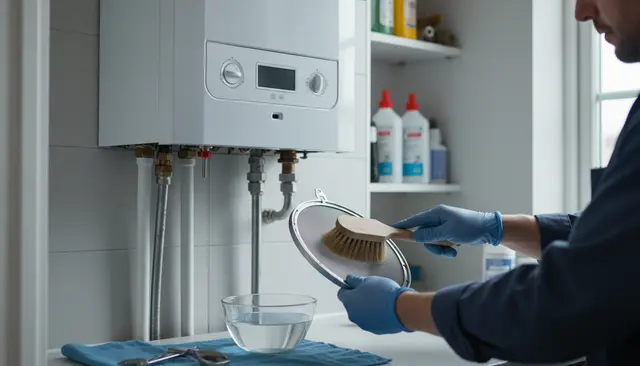
Your combi boiler works hard year-round to provide heating and hot water on demand. Like any essential appliance, a little regular care and combi boiler maintenance can go a long way in preventing breakdowns, extending its lifespan, and keeping your energy bills in check. While complex repairs should always be left to a Gas Safe registered engineer, there are several simple checks you can do yourself to keep things running smoothly.
Why Combi Boiler Maintenance Matters
Regular maintenance isn't just about avoiding an unexpected cold shower; it's about efficiency, safety, and saving money in the long run. A well-maintained boiler uses less energy, is less likely to break down, and crucially, operates safely. Ignoring its needs can lead to costly repairs, reduced performance, and even safety hazards like carbon monoxide leaks – though these are rare with modern, regularly serviced boilers.
Simple DIY Combi Boiler Maintenance Checks
Here are some straightforward checks you can perform to help look after your combi boiler and identify potential issues before they escalate.
1. Check Your Boiler Pressure
Maintaining the correct pressure is vital for your combi boiler's efficient operation.
Tools you'll need:
- Your eyes!
- Your boiler's instruction manual (if you have it).
How to do it:
- Locate the pressure gauge on the front of your boiler.
- The needle should typically be between 1 and 1.5 bar when the system is cold. Some boilers may have a green zone indicating the optimal range.
- If the pressure is too low (below 1 bar), you'll need to re-pressurise your system. Consult your boiler's manual for specific instructions, but generally, this involves opening a filling loop valve (often a small black or silver lever) until the pressure reaches the correct level, then closing it firmly.
- If the pressure is too high (above 2.5 bar), you may need to bleed a radiator to release some pressure.
Safety Caution:
Never over-pressurise your boiler. If you're unsure how to re-pressurise, or if the pressure frequently drops or rises without intervention, do not attempt to fix it yourself.
When to call a professional:
If your boiler pressure repeatedly drops, consistently rises too high, or if you're unable to re-pressurise it yourself, it's time to call a qualified engineer. You can quickly tell us your emergency and get connected with a local expert.
2. Bleed Your Radiators
Air trapped in your heating system can prevent radiators from heating up properly, leading to cold spots and reduced efficiency.
Tools you'll need:
- Radiator key (can be bought at most hardware stores).
- A cloth or small bowl to catch any water.
How to do it:
- Turn off your central heating and wait for the system to cool down completely. This prevents hot water from scalding you.
- Start with the radiator furthest from your boiler, then work your way back.
- At the top of one end of the radiator, locate the small valve. Insert the radiator key.
- Slowly turn the key anti-clockwise until you hear a hiss of air escaping. Hold the cloth underneath to catch any drips.
- Once water starts to come out steadily (without air), turn the key clockwise to close the valve.
- Repeat for all radiators that have cold spots.
- After bleeding, check your boiler pressure again, as it may have dropped. Re-pressurise if necessary.
Safety Caution:
Water coming out can be dirty and hot. Protect your hands and floors.
When to call a professional:
If radiators remain cold after bleeding and checking pressure, or if you constantly need to bleed them, there might be a more significant issue requiring professional attention.
3. Keep Vents and Flues Clear
Your boiler needs adequate ventilation and a clear flue to operate safely and efficiently.
Tools you'll need:
- None, just your eyes.
How to do it:
- Visually inspect any external flues (pipes leading outside from your boiler) to ensure they are not blocked by debris, bird nests, or overgrown foliage.
- Check that any internal air vents near your boiler are not obstructed by furniture, clothes, or other items.
Safety Caution:
Never attempt to clear an internal flue blockage yourself. If you suspect an internal blockage or damage to the flue, turn off your boiler and call a Gas Safe registered engineer immediately. Blocked flues can lead to dangerous carbon monoxide build-up.
When to call a professional:
If you notice any damage to your flue or suspect an internal blockage, or if your boiler frequently cuts out, indicating a potential ventilation issue.
4. Check for Leaks
Even small leaks can lead to significant problems if left unaddressed.
Tools you'll need:
- Torch.
- Paper towels or a dry cloth.
How to do it:
- Regularly inspect the pipes and connections around your boiler for any signs of dampness, drips, or puddles.
- Use a dry paper towel to gently wipe around pipe joints and connections to check for moisture.
- Look for discolouration or staining on the boiler casing or surrounding walls.
Safety Caution:
Do not touch hot pipes or electrical components. If you find a leak, turn off your water supply and heating system if possible, and contact a professional immediately.
When to call a professional:
Any sign of a leak, no matter how small, warrants immediate attention from a qualified plumber. Ignoring it can lead to water damage and potential boiler failure.
Professional Combi Boiler Servicing is Essential
While DIY checks are beneficial, they are no substitute for an annual service by a Gas Safe registered engineer. During a service, they will:
- Thoroughly inspect all internal components, including the burner, heat exchanger, and seals.
- Check for corrosion and leaks.
- Test the gas pressure and flow settings.
- Clean essential parts to maintain efficiency.
- Check safety devices and controls to ensure they are working correctly.
- Provide a service report.
An annual service typically costs between £80 and £120, depending on your location and the engineer. This small investment can save you hundreds, if not thousands, in emergency repairs and lost efficiency. For complex issues or annual servicing, always use a Gas Safe registered engineer. You can find Gas Safe registered plumbers through FixDelivered.
When to Call a Professional Immediately
Beyond the 'When to call' sections above, never hesitate to call a Gas Safe registered engineer if you experience any of the following:
- A strong smell of gas (turn off your gas supply, open windows, and call the National Gas Emergency Service and a Gas Safe engineer immediately).
- Your boiler making unusual noises (banging, gurgling, whistling).
- No hot water or heating.
- Frequent boiler breakdowns or error codes appearing regularly.
- A yellow or orange flame (it should be blue).
- Sooting or staining on or around the boiler.
An emergency call-out for a plumber typically ranges from £80-£150 for the initial visit, plus hourly rates of £40-£80. However, addressing issues promptly can prevent more expensive damage.
Taking a proactive approach to combi boiler maintenance with these simple DIY checks can significantly reduce the likelihood of unexpected breakdowns and keep your home warm and comfortable. Remember, for anything beyond these basic tasks, always consult a qualified Gas Safe registered engineer. To understand more about how our service works, visit how FixDelivered works. If you do encounter a problem you can't fix yourself, remember FixDelivered can help you find emergency plumbers near you quickly and efficiently. We make it easy to get a quote and book a trusted professional.
Frequently asked questions
How often should I check my combi boiler pressure?
Ideally, check your boiler pressure once a month, especially during colder months or after bleeding radiators.
Can I service my combi boiler myself?
No, only a Gas Safe registered engineer should service the internal components of your combi boiler. You can perform simple external checks like pressure monitoring and bleeding radiators.
What does a boiler service typically cost in the UK?
An annual combi boiler service in the UK typically costs between £80 and £120, depending on your location and the engineer.
What if I smell gas near my boiler?
If you smell gas, turn off your gas supply at the meter, open windows and doors, do not use any electrical switches, and call the National Gas Emergency Service and a Gas Safe registered engineer immediately.
Why do my radiators have cold spots even after bleeding?
If radiators still have cold spots after bleeding and checking boiler pressure, it could indicate a build-up of sludge in the system, a faulty radiator valve, or another issue requiring a professional plumber's diagnosis.
Need a plumber now? Tell us your emergency and FixDelivered will find and confirm an available local plumber near you, usually within the hour.
Written by the FixDelivered Team. Reviewed by Rupert Lowe, Editor. Last updated 2026-08-20.