Advice & guides › Prevention & Maintenance
Septic Tank Care: What Not to Flush
By The FixDelivered Team · Updated 2026-08-25 · 5 min read
If your home isn't connected to the main sewer system, you likely rely on a septic tank to manage your wastewater. A well-maintained septic system is an efficient and environmentally sound solution, but neglect can lead to costly repairs, unpleasant odours, and potential health hazards. Understanding proper septic tank care and, crucially, what not to put down your drains is key to its longevity and trouble-free operation.
How a Septic Tank Works
A septic tank is an underground watertight container, usually made of concrete, fibreglass, or plastic. It holds wastewater long enough for solids to settle to the bottom, forming a sludge layer, and for lighter materials (like oil and grease) to float to the top, forming a scum layer. The liquid wastewater (effluent) then flows out of the tank into a drain field (also known as a leach field or absorption field), where it is naturally filtered by the soil before rejoining the groundwater.
What NOT to Put Down Your Drains or Flush
The golden rule for septic tanks is: if it isn't human waste or toilet paper, it likely shouldn't go down the drain. Introducing improper materials can upset the delicate balance of bacteria needed to break down waste, or cause blockages and damage.
- Fats, Oils, and Grease (FOG): These solidify in pipes and the tank, creating blockages and adding to the scum layer, reducing the tank's effective capacity. Always dispose of FOG in the bin once cooled.
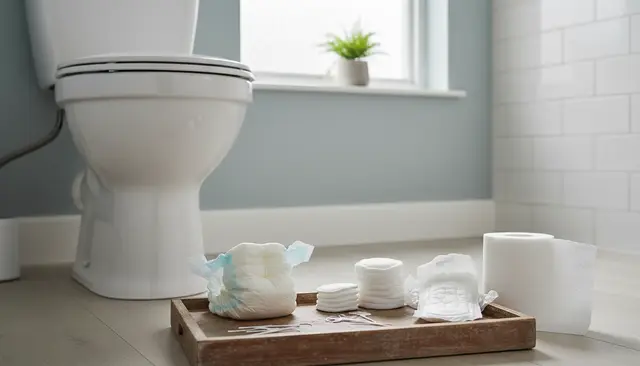
- Non-Biodegradable Items: This is a big one. Items labelled 'flushable' wipes are often not truly flushable for septic systems. Avoid flushing:
- 'Flushable' wipes, baby wipes, cleaning wipes
- Sanitary products (tampons, pads)
- Cotton buds, cotton wool, dental floss
- Nappies
- Paper towels, tissues (use toilet paper only)
- Cat litter
- Coffee grounds
- Harsh Chemicals: Excessive amounts of bleach, drain cleaners, paint, paint thinners, solvents, or strong disinfectants can kill the beneficial bacteria in your septic tank that are essential for breaking down waste. Use septic-safe cleaning products and use harsh chemicals sparingly.
- Food Waste: While a small amount is inevitable, excessive food waste, even from a garbage disposal unit, adds solids to the tank that don't break down easily, increasing the frequency of pumping needed. It's best to compost food scraps or dispose of them in the bin.
- Medications: Flushing old medications can introduce chemicals that harm the bacteria in your tank and potentially contaminate groundwater. Return unused medicines to a pharmacy for proper disposal.
Essential Septic Tank Maintenance Tips
Regular maintenance is crucial for preventing costly problems and extending the life of your septic system.
- Pump Your Tank Regularly: This is the most vital step. Typically, septic tanks should be pumped every 3-5 years, but this can vary depending on tank size, household size, and waste habits. A professional will remove the sludge and scum layers. In 2026, expect to pay roughly £200-£400 for a standard domestic tank pump-out, though prices vary by region and tank size.
- Conserve Water: The less water you send to your septic system, the better. Spread out laundry loads, fix leaky taps, and install low-flow fixtures. Overloading the system with too much water can push solids into the drain field, leading to failure.
- Know Your System: Understand where your tank and drain field are located. Keep a record of when your tank was last pumped and any maintenance performed.
- Inspect Regularly: Keep an eye out for signs of trouble around your tank and drain field, such as odours, wet spots, or unusually lush grass.
- Maintain Your Drain Field: Do not drive or park vehicles on your drain field, as this can compact the soil and damage the pipes. Avoid planting trees or shrubs with extensive root systems near the drain field, as roots can clog and damage the system.
- Use Septic-Safe Products: Opt for biodegradable, phosphate-free detergents and cleaning products to protect the beneficial bacteria in your tank.
Signs Your Septic System Needs Professional Attention
Even with the best care, problems can arise. Look out for these warning signs:
- Slow Drains or Backups: Toilets flushing slowly or drains backing up in sinks or showers can indicate a blockage or a full septic tank.
- Unpleasant Odours: Strong sewage odours inside your home or around the septic tank and drain field are a clear sign of an issue.
- Standing Water: Puddles or wet spots over your drain field, especially during dry weather, suggest the system is overloaded or failing.
- Lush, Green Grass: While healthy grass is good, unusually lush, green patches over the drain field can indicate that effluent is surfacing.
When to Call a Professional
If you notice any of the warning signs above, it's time to call a professional. Never attempt to open or repair your septic tank yourself, as it contains hazardous gases and waste. A qualified plumber or septic system specialist can diagnose the problem and recommend the correct course of action, from pumping to repairs.
For urgent issues, finding a reliable local expert quickly is essential. FixDelivered can help you connect with emergency plumbers near you who are experienced in handling septic system problems. You can also learn more about how FixDelivered works to find qualified professionals.
Proper septic tank care is an ongoing commitment, but it's one that pays dividends in terms of avoiding costly repairs and ensuring the health of your home and the environment. By being mindful of what goes down your drains and adhering to a regular maintenance schedule, you can keep your system running smoothly for years to come.
Frequently asked questions
How often should a septic tank be pumped?
Typically, a domestic septic tank should be pumped every 3 to 5 years. However, this can vary based on the tank size, the number of people in your household, and your water usage habits. Smaller tanks or larger households may require more frequent pumping.
Can I use a garbage disposal with a septic tank?
While you technically can, it is generally not recommended. Garbage disposals add a significant amount of solids and grease to your septic tank, which increases the frequency with which it needs to be pumped and can put extra strain on the system. It's better to compost food scraps or dispose of them in the bin.
What are septic-safe cleaning products?
Septic-safe cleaning products are those that are biodegradable, phosphate-free, and do not contain harsh chemicals like excessive bleach or strong acids. Look for labels that specifically state 'septic-safe' or 'biodegradable' to ensure they won't harm the beneficial bacteria in your tank.
What should I do if my septic tank is overflowing?
If your septic tank is overflowing or you notice sewage backing up into your home, you should immediately stop using all water (toilets, showers, washing machine) and contact a professional plumber or septic system specialist. This is an emergency that requires prompt attention to prevent health hazards and further damage. You can use FixDelivered to <a href="/">tell us your emergency</a> and find a local expert quickly.
Need a plumber now? Tell us your emergency and FixDelivered will find and confirm an available local plumber near you, usually within the hour.
Written by the FixDelivered Team. Reviewed by Rupert Lowe, Editor. Last updated 2026-08-25.