Advice & guides › Prevention & Maintenance
What Boiler Pressure Should Be & How to Keep it Right
By The FixDelivered Team · Updated 2026-08-30 · 5 min read
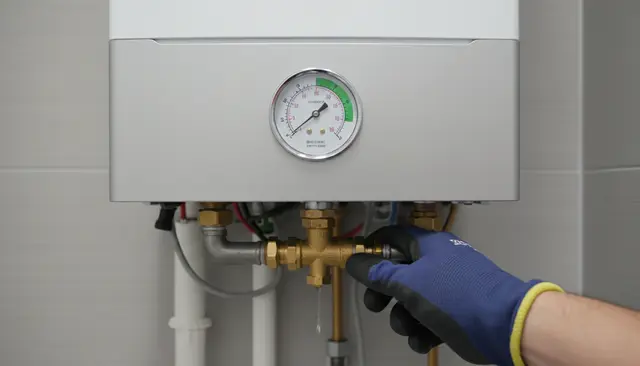
Keeping your boiler's pressure at the correct level is vital for its efficient operation and lifespan. If the pressure is too low, your heating system might not work effectively, or it could stop working altogether. If it's too high, it can put undue strain on components and potentially lead to leaks or breakdowns. This guide will walk you through understanding, checking, and adjusting your boiler pressure safely.
What Should Boiler Pressure Be?
For most modern domestic sealed central heating systems in the UK, the correct boiler pressure when the system is cold (i.e., not running for several hours) should typically be between 1 and 1.5 bar. You'll find this indicated on your boiler's pressure gauge, which usually has a green zone marking the ideal range.
When your heating system is running and the water heats up, the pressure will naturally rise slightly. This is normal. A reading of around 1.5 to 2 bar when the system is hot is generally acceptable, as long as it doesn't exceed 2.5 bar and drops back to the 1-1.5 bar range when cold.
How to Check Your Boiler Pressure
Locate the pressure gauge on your boiler. It's usually a circular dial with numbers and a needle, or a digital display. Always check the pressure when the boiler is cold for the most accurate baseline reading. If the needle is consistently below 1 bar, or in the red zone, your boiler pressure is too low. If it's consistently above 2.5 bar, or in the red zone, it's too high.
What Causes Low Boiler Pressure?
Several common reasons can lead to low boiler pressure:
- Bleeding radiators: Releasing air from your radiators will also release some water, which can cause a slight drop in system pressure.
- Minor leaks: Even a small, unnoticed leak in your pipework, boiler, or radiators can gradually reduce pressure over time.
- Recent servicing or repairs: If a plumber has recently drained your system, it may need repressurising.
- Faulty expansion vessel: Though less common, if the expansion vessel (which absorbs excess water pressure) isn't working correctly, it can lead to pressure fluctuations.
How to Repressurise Your Boiler (Step-by-Step)
Repressurising your boiler is a relatively straightforward task that most homeowners can do themselves. However, always refer to your boiler's instruction manual first, as procedures can vary slightly between models.
Tools you'll need: Usually none, as the filling loop is integrated.
Safety Cautions:
- Always ensure your boiler is switched off and cool before starting.
- Be gentle when opening and closing valves to avoid damage.
- Do not overfill – watch the gauge carefully.
- Turn Off Your Boiler: Switch off your boiler at the main power supply and allow it to cool down completely.
- Locate the Filling Loop: This is a small, flexible metal hose with two valves, usually located underneath your boiler. On some modern boilers, it might be an internal filling key or lever.
- Connect the Filling Loop (if external): If your filling loop is external and detached, connect it securely to both filling points. Ensure it's hand-tight.
- Open the Valves: Slowly open one of the valves on the filling loop. You should hear water entering the system. Then, slowly open the second valve.
- Watch the Pressure Gauge: Keep a close eye on the pressure gauge. As water enters the system, the needle will rise. Stop when it reaches between 1 and 1.5 bar (or the middle of the green zone).
- Close the Valves: Once the desired pressure is reached, close both valves on the filling loop firmly. It's crucial to close both valves to prevent over-pressurisation and potential leaks.
- Disconnect the Filling Loop (if external): If you have an external filling loop, disconnect it and store it safely. Some boilers have internal filling keys that you just turn and remove.
- Restart Your Boiler: Turn your boiler back on at the main power supply. Monitor the pressure over the next few hours and days to ensure it remains stable.
What Causes High Boiler Pressure?
If your boiler pressure consistently goes above 2.5 bar when cold, or frequently enters the red zone when hot, it could be due to:
- Overfilling: You might have added too much water when repressurising.
- Faulty Expansion Vessel: This is the most common cause of consistently high pressure. The vessel is designed to absorb expansion; if it's failed, pressure can build up.
- Faulty Pressure Relief Valve: If this safety valve is stuck closed, it won't release excess pressure.
How to Reduce Boiler Pressure (DIY)
If you've accidentally overfilled your system, or if the pressure is slightly too high, you can often reduce it by bleeding a radiator. This releases a small amount of water from the system.
Steps to bleed a radiator:
- Ensure the boiler is off and the radiators are cool.
- Place a cloth or small container under the bleed valve on one of your radiators.
- Using a radiator key, slowly turn the bleed valve anti-clockwise until water starts to come out.
- Close the valve once you've released a small amount of water.
- Check your boiler pressure gauge. Repeat on other radiators if necessary, until the pressure is back in the 1-1.5 bar range.
When to Call a Professional
While repressurising your boiler is a common DIY task, there are times when you should always call a qualified professional:
- Persistent Low Pressure: If your boiler pressure drops frequently, requiring repressurising every few weeks or days, it indicates an underlying issue like a leak that needs professional investigation.
- Consistently High Pressure: If bleeding radiators doesn't resolve high pressure, it could point to a faulty expansion vessel or pressure relief valve, which requires a Gas Safe registered plumber to diagnose and repair.
- No Confidence: If you're unsure about any step or feel uncomfortable performing the task, it's always best to seek expert help.
- Any Gas-Related Issues: Never attempt to repair or tamper with any internal components of a gas boiler yourself. This must ONLY be done by a Gas Safe registered engineer.
- Visible Leaks: If you notice water leaking from your boiler, pipes, or radiators, switch off your heating and call a plumber immediately.
FixDelivered can connect you with qualified local emergency plumbers near you quickly. They can diagnose persistent pressure issues, fix leaks, and ensure your boiler is running safely and efficiently. You can also learn more about how FixDelivered works if you need a plumber.
Maintaining correct boiler pressure is a simple yet crucial part of home maintenance that can prevent costly breakdowns and keep your home warm and comfortable. By understanding your boiler's pressure and knowing when to act, you can contribute significantly to its longevity and efficiency.
Frequently asked questions
What is the ideal boiler pressure for a cold system?
For most domestic sealed central heating systems in the UK, the ideal boiler pressure when cold is typically between 1 and 1.5 bar.
Can I repressurise my boiler myself?
Yes, if you have a sealed system and follow your boiler's instruction manual carefully, repressurising your boiler is a common DIY task. Always switch off and cool the boiler first.
Why is my boiler pressure constantly dropping?
Frequent drops in boiler pressure often indicate an underlying issue such as a small leak in your system, radiators needing bleeding, or a fault with the boiler's internal components like the expansion vessel. If it's a recurring problem, you should consult a professional.
What if my boiler pressure is too high?
If your boiler pressure is too high (above 2.5 bar cold), you can try reducing it by bleeding a radiator. If the pressure remains high or consistently rises, it could indicate a faulty expansion vessel or pressure relief valve, requiring a Gas Safe registered engineer.
Need a plumber now? Tell us your emergency and FixDelivered will find and confirm an available local plumber near you, usually within the hour.
Written by the FixDelivered Team. Reviewed by Rupert Lowe, Editor. Last updated 2026-08-30.