Hidden Pipe Leak: Signs, Detection & What to Do
By The FixDelivered Team · Updated 2026-08-08 · 5 min read
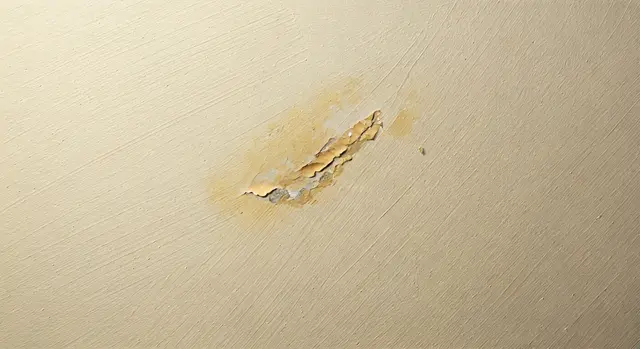
A hidden pipe leak, whether behind a wall or under a floor, is a homeowner's nightmare. Untreated, it can lead to extensive structural damage, mould growth, and costly repairs. The good news is that there are often subtle signs that can alert you to a problem before it escalates. Knowing what to look for and how to react quickly can save you a great deal of stress and expense.
Signs of a Hidden Pipe Leak
Hidden leaks don't always announce themselves with a gushing flood. Often, they start small, giving you clues over time. Here’s what to look out for:
- Damp Patches or Stains: Water stains on walls, ceilings, or floors that appear without an obvious cause (like a spill) are a primary indicator. These might be discoloured, bulging, or feel damp to the touch.
- Peeling Paint or Wallpaper: Moisture behind a wall can cause paint to bubble, peel, or crack, and wallpaper to lift or warp.
- Mould or Mildew Growth: A persistent musty smell, or visible mould/mildew, especially in areas without poor ventilation, suggests a damp environment created by a leak.
- Unexplained High Water Bill: If your water bill suddenly spikes without a change in usage, it's a strong sign of a continuous leak somewhere in your system.
- Sound of Running Water: Listen carefully when all taps are off and no appliances are running. Can you hear dripping, trickling, or a faint rushing sound coming from walls or under floors?
- Decreased Water Pressure: While not always leak-related, a noticeable drop in water pressure in one or more areas of your home could indicate a leak diverting water.
- Damaged Flooring: Warped floorboards, lifting laminate, or loose tiles can all be signs of water damage from a sub-floor leak.
- Low Boiler Pressure: If your boiler pressure consistently drops and needs topping up, it could indicate a leak in your central heating system. However, for any boiler issues, always consult a Gas Safe registered plumber.
What to Do Immediately If You Suspect a Leak
If you suspect a hidden leak, acting fast is crucial to minimise damage:
- Turn Off Your Main Stopcock: Locate your home's main stopcock (usually under the kitchen sink, in a utility room, or under the stairs) and turn it clockwise until the water supply is completely shut off. This stops the flow of water to the leak.
- Turn Off Electricity: If the leak is near electrical outlets or appliances, or if water is pooling significantly, turn off the electricity to the affected area, or your entire home, at the consumer unit (fuse box) to prevent electrical hazards.
- Drain Your Taps: Open all your cold taps to drain any remaining water from the pipes. This reduces pressure and helps empty the system.
- Contain Water: Mop up any visible water to prevent further damage to floors and furnishings. Place buckets under drips if possible.
- Ventilate: Open windows and use fans to help dry out the affected area, which can slow mould growth.
- Document the Damage: Take photos or videos of any visible damage for insurance purposes.
Detecting and Confirming a Hidden Leak (DIY)
While pinpointing the exact location of a hidden leak often requires specialist tools, you can perform some checks to confirm a leak exists:
Tools You Might Need:
- Torch
- Paper towels or dry cloths
- Ears (for listening)
- Your eyes (for visual inspection)
Step-by-Step Detection:
- Water Meter Check: After turning off your main stopcock and draining your taps, check your water meter. If it's still moving, even slowly, it confirms a leak exists somewhere after the meter.
- Listen Carefully: In a quiet house, listen for any dripping or trickling sounds within walls or under floors, especially near suspected damp areas.
- Feel for Dampness: Carefully feel walls and floors for cold spots or areas that feel damp to the touch.
- Use Paper Towels: If you have access to a small gap or opening, push a dry paper towel into it and check for dampness.
Safety Cautions:
- Never attempt to open up walls or floors unless you are confident in what you are doing and have turned off relevant utilities.
- Be extremely careful around any damp areas near electrical outlets.
When to Call a Professional
You should call a professional plumber immediately if:
- You've confirmed a leak with the water meter test.
- You can hear water but can't locate the source.
- You have visible damp patches or mould, especially on ceilings or walls.
- You suspect a leak in your central heating system (e.g., boiler pressure drops).
- You need to open up walls or floors to access the pipes.
A professional plumber has specialist equipment like thermal imaging cameras, acoustic leak detectors, and moisture meters to accurately locate hidden leaks without unnecessary damage to your property. They can then advise on the best course of repair.
When you need to find a local plumber quickly, tell us your emergency. FixDelivered connects you with qualified local experts who can handle hidden pipe leaks swiftly and efficiently.
Repairing a Hidden Leak and Typical Costs
Once the leak is located, the repair process involves accessing the pipe (which may mean opening up a wall or floor), repairing or replacing the damaged section, and then making good the disturbed area.
Temporary fixes, such as epoxy putty or pipe repair clamps, can provide a very short-term solution to slow a leak, but they are never a permanent repair. Always have a permanent repair carried out by a qualified plumber.
As a rough guide for 2026 UK prices, a plumber might charge £80-£150 for a call-out, with hourly rates typically between £60-£100. Repairing a hidden leak can be more complex due to the access required. The cost could range from £300 to £800+, depending on the leak's location, severity, and the amount of remedial work (e.g., re-plastering, re-tiling) needed afterwards. These figures do not include potential redecoration costs.
Preventing Future Leaks
- Regular Maintenance: Have your plumbing system inspected periodically, especially if your home is older.
- Insulate Pipes: Protect exposed pipes, especially in lofts or basements, from freezing in winter.
- Monitor Water Pressure: Excessive water pressure can strain pipes. Consider a pressure reducing valve if your pressure is consistently high.
- Address Small Drips: Don't ignore small, visible drips, as they can indicate underlying issues.
Don't let a hidden leak become a major disaster. If you suspect a problem, act quickly. FixDelivered makes it easy to find a local plumber who can diagnose and fix your hidden pipe leak effectively. Learn more about how FixDelivered works and how we can help you get a trusted plumber fast.
Frequently asked questions
How can I tell if a pipe is leaking behind a wall?
Look for damp patches, discoloured stains, peeling paint or wallpaper, or mould growth on the wall. You might also hear the sound of dripping or running water when all taps are off, or notice an unexplained increase in your water bill.
What should I do first if I suspect a hidden water leak?
Immediately turn off your home's main stopcock to stop the water supply. If the leak is near electrical outlets, turn off your electricity at the consumer unit. Then, open taps to drain residual water and try to contain any visible water.
Can I fix a hidden pipe leak myself?
While you can identify the signs and take immediate steps to shut off water, locating and permanently repairing a hidden leak typically requires a professional plumber. They have specialist equipment to find the leak without extensive damage and ensure a lasting repair. Temporary fixes are not recommended as permanent solutions.
How much does it cost to fix a hidden pipe leak in the UK?
In 2026, typical call-out fees range from £80-£150, with hourly rates of £60-£100. The total cost for repairing a hidden leak, including accessing the pipe and the repair itself, could range from £300 to £800+ depending on complexity, access, and any necessary reinstatement work.
Need a plumber now? Tell us your emergency and FixDelivered will find and confirm an available local plumber near you, usually within the hour.
Written by the FixDelivered Team. Reviewed by Rupert Lowe, Editor. Last updated 2026-08-08.