How to Unblock an Outside Drain with Drain Rods
By The FixDelivered Team · Updated 2026-08-23 · 6 min read
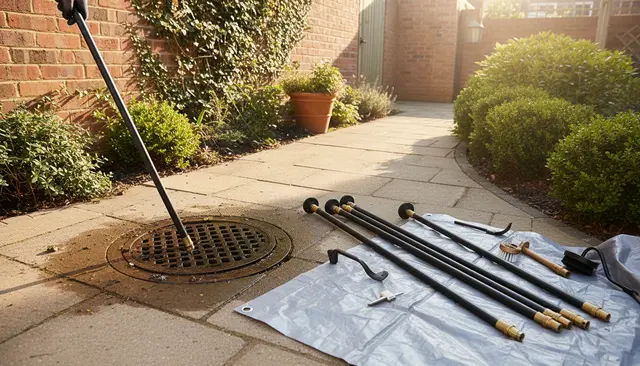
A blocked outside drain or gully can quickly become a nuisance, leading to foul odours, standing water, and potential damage if left unaddressed. While some blockages require professional intervention, many can be tackled effectively by a competent DIYer using drain rods. This guide will walk you through the process of how to unblock an outside drain, helping you restore proper drainage and prevent future issues.
Why is my outside drain blocked?
Outside drains, particularly gullies which collect rainwater from downpipes and surface water, are prone to blockages due to a variety of common culprits. Understanding the cause can sometimes help you target the blockage more effectively.
- Leaves and Garden Debris: This is arguably the most common cause. Fallen leaves, twigs, soil, and other organic matter can accumulate, especially during autumn and winter, forming a dense, impenetrable plug.
- Fats, Oils, and Grease (FOG): If your kitchen sink waste pipe connects to an outside gully, FOG poured down the sink can cool and solidify upon reaching the colder outdoor pipes. This sticky substance then traps other debris, leading to a significant build-up.
- Wet Wipes and Sanitary Products: While more typically associated with internal toilet blockages, these items can still contribute to outside drain issues if they make their way into the system, as they do not break down like toilet paper.
- Silt and Sediment: Fine particles of soil, sand, and grit washed in by rainwater can settle in the drain's lowest points, gradually reducing the pipe's diameter and eventually causing a complete blockage.
- Tree Roots: A more serious and often recurring issue, tree roots are attracted to the water and nutrients inside drain pipes. They can infiltrate tiny cracks or loose joints, growing and creating significant, difficult-to-clear obstructions.
- Foreign Objects: Toys, stones, building debris, or other items accidentally falling into the drain can create immediate and solid blockages.
Tools and Safety Equipment You'll Need
Before you begin, gather the following:
- Drain Rods: A set of screw-together drain rods, typically made of polypropylene, with various attachments (e.g., plunger, worm screw, clearing wheel). You can usually buy a basic set for £30-£50.
- Strong Work Gloves: To protect your hands from dirt and debris.
- Eye Protection: Safety glasses or goggles are essential to prevent splashes or debris from entering your eyes.
- Old Clothes: This can be a messy job!
- Bucket or Shovel: For scooping out debris.
- Hosepipe: For flushing the drain.
- Torch (optional): To help inspect the drain.
Step-by-Step Guide to Unblocking an Outside Drain with Drain Rods
- Identify the Blockage: Locate the affected drain or gully. If water is backing up in only one specific outdoor point, the blockage is likely localised near that area. However, if water is backing up in multiple places, or if a nearby inspection chamber (a manhole cover) is overflowing, the blockage is further down the main drainage system. Carefully remove any grates or covers, noting their position for replacement.
- Prepare the Area and Yourself: This can be a messy job, so put on your strong work gloves and essential eye protection. Lay down old newspaper, cardboard, or plastic sheets around the drain to catch any debris you pull out. Have your bucket or shovel ready for immediate disposal of the removed waste.
- Assemble the Drain Rods: Choose the appropriate attachment for your perceived blockage. A rubber plunger head is excellent for creating suction to dislodge soft blockages, while a corkscrew or wire brush attachment is better for snagging and breaking up debris like leaves or fat. Screw the first rod firmly onto the attachment, then add subsequent rods as needed by twisting them clockwise. Ensure each connection is tight and secure to prevent any rods from detaching and getting lost in the drain.
- Insert and Push the Rods: Carefully feed the rod assembly into the drain opening. Push gently but firmly. You should feel resistance when you hit the blockage. Do not force the rods, as this could damage the pipes or cause the rods to buckle.
- Rotate and Clear: Once you've reached the blockage, gently rotate the rods clockwise. This action helps the attachment break up the obstruction or latch onto it. If using a plunger, push and pull repeatedly to create a vacuum and dislodge the blockage. If you've chosen a worm screw, twist it to entangle fibrous debris like leaves or wipes. Continue to work the rods until you feel the resistance lessen or hear/see water beginning to drain.
- Withdraw Rods Carefully: Once you feel the blockage has cleared (water starts to drain freely, or resistance lessens significantly), slowly withdraw the rods. It is crucial to rotate them clockwise as you pull them out; this maintains the tight connections and prevents them from unscrewing and getting stuck in the drain.
- Flush with Water: Use your hosepipe to flush a good amount of water down the drain. This will help wash away any remaining debris and confirm that the blockage is completely clear. Watch to ensure the water flows freely and doesn't back up.
- Dispose of Debris: Collect any debris removed from the drain and dispose of it responsibly, ideally in your general waste bin, not back into another drain or the garden. Clean your tools thoroughly with a hose and disinfectant, ready for next time.
When to Call a Professional
While drain rods are effective for many blockages, there are times when professional help is essential:
- Persistent Blockage: If you've tried using drain rods multiple times and the blockage remains or quickly returns.
- Foul Water Backing Up: If foul water (from toilets or sinks) is backing up into your property, this indicates a serious blockage further down the main drainage system.
- Structural Damage Suspected: If you suspect collapsed pipes, root ingress, or other structural issues, a plumber with CCTV drain survey equipment will be needed.
- Uncomfortable or Unsure: If you feel uncomfortable tackling the job, or are unsure of the cause, it's always best to call in an expert.
If you're struggling or suspect a more serious issue, a professional plumber can quickly diagnose and resolve the problem. You can tell us your emergency and we'll help you connect with emergency plumbers near you.
Preventing Future Drain Blockages
Once your drain is clear, take steps to prevent future issues:
- Regular Cleaning: Periodically remove grates and clear away leaves, silt, and other debris from gullies.
- Use Drain Covers: Install leaf guards or fine mesh covers over outdoor drains and downpipes to prevent large debris from entering.
- Proper Waste Disposal: Never pour fats, oils, or grease down any drain. Scrape food waste into the bin.
- Check Downpipes: Ensure rainwater downpipes are free from blockages, as these can wash debris into your drains.
Unblocking an outside drain with drain rods is a rewarding DIY task that can save you money and keep your drainage system flowing smoothly. However, for persistent or complex drainage problems, don't hesitate to find a local plumber through FixDelivered. Our service makes it easy to connect with qualified professionals who can handle any drainage emergency, ensuring your peace of mind.
Frequently asked questions
What are drain rods?
Drain rods are a series of rigid, interlocking rods, usually made of polypropylene, that can be extended to reach and clear blockages in drains and pipes. They come with various attachments for different types of obstructions.
How do I know where the blockage is?
Start by observing where water is backing up. If only one gully is affected, the blockage is likely close by. If multiple drains or an inspection chamber are overflowing, the blockage is further down the system, possibly in a main line.
What if I can't clear it myself?
If your attempts with drain rods are unsuccessful, or if the blockage quickly returns, it's time to call a professional plumber. They have specialist equipment like high-pressure jetters and CCTV drain cameras to diagnose and clear more stubborn or deep-seated issues.
Can I use chemicals to unblock an outside drain?
While chemical drain cleaners are available, they are generally not recommended for outside drains. They can be ineffective against large blockages, harmful to the environment, and potentially corrosive to older pipes. Physical removal with rods or professional jetting is usually more effective and safer.
Need a plumber now? Tell us your emergency and FixDelivered will find and confirm an available local plumber near you, usually within the hour.
Written by the FixDelivered Team. Reviewed by Rupert Lowe, Editor. Last updated 2026-08-23.