Immersion Heater Not Heating Water: Checks & Fixes
By The FixDelivered Team · Updated 2026-09-07 · 6 min read
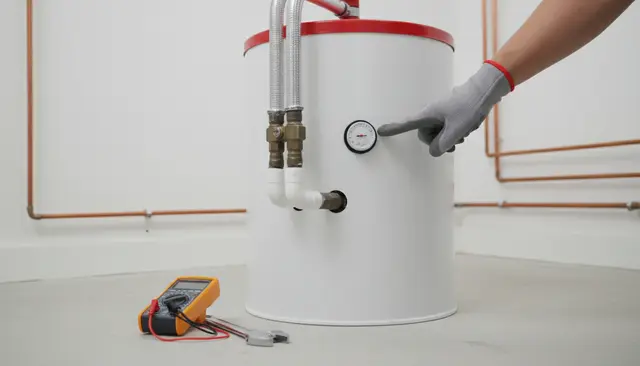
A cold shower is never a welcome surprise, especially when you're relying on your immersion heater for hot water. When your immersion heater isn't working, it can quickly become a major inconvenience. Fortunately, not every issue requires an immediate call to a professional. There are several safe and simple checks you can perform to diagnose the problem yourself.
Understanding Your Immersion Heater
An immersion heater is essentially a large electric kettle element that sits inside your hot water cylinder. It heats the water directly using electricity. A thermostat controls the water temperature, switching the element on and off as needed. Many also have a high-limit cut-out, a safety device designed to trip if the water gets too hot, preventing overheating.
Safety First: Before You Start
Working with electricity and water can be dangerous. Always prioritise your safety. Before performing any checks that involve opening covers or touching components, you must:
- Switch off the power to your immersion heater at the consumer unit (fuse box). This is usually a clearly labelled switch or circuit breaker.
- Ensure the area around the immersion heater is dry and safe.
- If at any point you feel uncomfortable or unsure, stop and call a qualified professional.
5 Checks When Your Immersion Heater Isn't Working
Once you've ensured the power is safely off, you can proceed with these troubleshooting steps:
1. Check the Power Supply
It might sound obvious, but it's often the simplest solutions that get overlooked.
- Wall Switch: Is the dedicated wall switch for your immersion heater turned on? Sometimes these can be accidentally switched off.
- Timer/Programmer: Many immersion heaters are connected to a timer or programmer. Check that it's set correctly and hasn't been overridden or is currently in an 'off' period. Ensure the clock is accurate and the program is active.
2. Look for Tripped Breakers or Fuses
Your immersion heater is on its own dedicated circuit, which means if there's an electrical fault, it should trip a circuit breaker or blow a fuse at your consumer unit.
- Consumer Unit: Locate your consumer unit. Look for any tripped circuit breakers (they will be in the 'off' or central position) or blown fuses.
- Reset: If a breaker is tripped, push it firmly to the 'off' position, then back to 'on'. If it immediately trips again, there's an electrical fault that requires professional attention. Do not keep resetting it.
3. Inspect the High-Limit Cut-Out
This is a crucial safety feature. If the water overheats for any reason, the high-limit cut-out will trip, cutting power to the element. It typically looks like a small red button, often located near or on the thermostat housing under the immersion heater's plastic cover.
- Locate: With the power off at the consumer unit, carefully remove the cover of the immersion heater's electrical housing (usually held by a screw).
- Reset: Look for a small red or black button. Press it firmly. If it clicks, it has reset.
- Caution: If this button keeps tripping, it indicates an underlying issue, such as a faulty thermostat or element, and you should call a professional. Replace the cover securely before restoring power.
4. Check for Leaks Around the Element
A leaking immersion heater element can be a sign of corrosion or a failing seal, which can also affect its operation.
- Visual Inspection: Look carefully around the base of the immersion heater element where it enters the cylinder. Are there any signs of water drips, dampness, or corrosion?
- Action: If you spot any leaks, even minor ones, do not attempt to fix them yourself. Water and electricity are a dangerous combination. Turn off the power and call a plumber immediately.
5. Listen for Unusual Noises
While not a direct diagnostic, unusual sounds can point to a problem.
- Hissing or Crackling: This could indicate scale build-up on the heating element. Limescale acts as an insulator, making the element work harder and less efficiently, potentially leading to failure.
- Banging or Rumbling: Similar to kettles, this can also be a sign of significant limescale build-up inside the cylinder or on the element.
When to Call a Professional Plumber
If you've gone through these checks and your immersion heater is still not working, or if you've encountered any of the following, it's time to call in the experts:
- The circuit breaker or RCD repeatedly trips after being reset.
- You suspect a faulty heating element or thermostat (these require specialist tools and knowledge to test and replace, often involving draining the cylinder and working with live electricity).
- There are any signs of water leaks around the immersion heater.
- You're uncomfortable or unsure about any of the electrical components.
- Your immersion heater is old, and you suspect general wear and tear.
Attempting complex electrical or plumbing repairs without the proper qualifications and tools can be dangerous and could invalidate your home insurance. A qualified plumber or electrician will be able to diagnose the exact fault, whether it's a failed element, a faulty thermostat, wiring issues, or another problem, and rectify it safely.
Typically, a plumber's call-out fee in the UK for diagnosing an immersion heater issue might range from £70 to £120 in 2026. If a new element or thermostat is required, expect the total cost, including parts and labour, to be in the region of £150 to £300, depending on the part and complexity.
For quick and reliable service, you can tell us your emergency and we'll connect you with a qualified local plumber who can diagnose and fix your immersion heater issues efficiently.
Why Choose FixDelivered for Immersion Heater Repairs
FixDelivered connects you with vetted, local plumbers who specialise in emergency repairs. When your immersion heater isn't working, you need a solution fast. We offer:
- Rapid Response: Get connected to emergency plumbers near you quickly.
- Qualified Professionals: All plumbers on our network are qualified and experienced.
- Transparent Pricing: Agree on the call-out fee upfront with the plumber, with no hidden costs. You can also learn more about how FixDelivered works.
Preventative Maintenance Tips
To help prevent future immersion heater problems:
- Regular Descaling: In hard water areas, limescale can build up on the element. While not a DIY job, a plumber can descale your cylinder if needed.
- Check Settings: Ensure your timer and thermostat are set efficiently and haven't been accidentally altered.
- Visual Checks: Periodically check around the cylinder for any signs of leaks or corrosion.
Don't let a lack of hot water disrupt your home life. If your immersion heater isn't working and you've exhausted safe troubleshooting steps, it's time to get in touch with a professional. FixDelivered makes it easy to find a local plumber who can diagnose and fix the issue quickly and safely. For more helpful advice on common plumbing issues, browse our plumbing emergency guides.
Frequently asked questions
Why would an immersion heater stop working?
Common reasons include a tripped circuit breaker, a faulty timer, a tripped high-limit cut-out, a failed heating element, or a malfunctioning thermostat. Less common issues can include wiring faults or severe limescale build-up.
How long do immersion heaters last?
Typically, an immersion heater element can last anywhere from 5 to 10 years, depending on usage, water hardness, and maintenance. The cylinder itself can last much longer, often 20+ years.
Can I replace an immersion heater element myself?
Replacing an immersion heater element is generally not recommended for DIYers. It involves working with high voltage electricity, draining the hot water cylinder, and correctly sealing the new element. This job should always be undertaken by a qualified plumber or electrician to ensure safety and proper function.
Need a plumber now? Tell us your emergency and FixDelivered will find and confirm an available local plumber near you, usually within the hour.
Written by the FixDelivered Team. Reviewed by Rupert Lowe, Editor. Last updated 2026-09-07.