Tap Won't Turn Off? Here's What to Do Immediately
By The FixDelivered Team · Updated 2026-09-17 · 6 min read
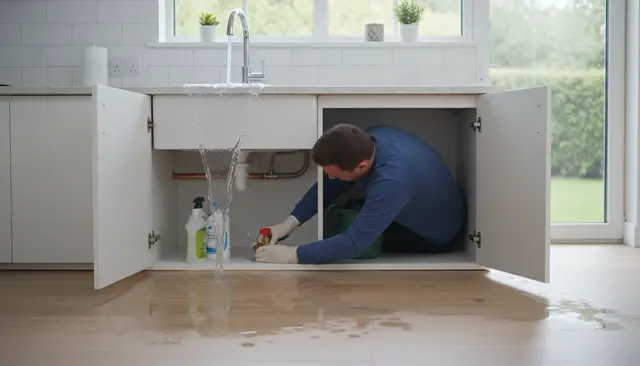
A tap that won't turn off is more than just an annoyance – it's a plumbing emergency that can lead to significant water waste and costly property damage if not addressed quickly. Whether it’s a kitchen mixer, a bathroom basin tap, or an outdoor hose connection, a continuous flow of water needs immediate attention. This guide will walk you through the essential steps to take when your tap is stuck on, helping you minimise damage and know when to call in a professional.
Your First Priority: Turn Off the Water Supply
This is the most critical step. Stopping the water flow at its source will prevent further damage and allow you to assess the situation without the added stress of an ongoing leak.
Locating Your Main Stopcock (Stop Valve)
Every property has a main stopcock that controls the entire water supply. Knowing its location is vital for any plumbing emergency. It's typically found:
- Under the kitchen sink.
- In the downstairs toilet or utility room.
- Near the front door, often under the stairs or in a cupboard.
- Sometimes outside the property boundary, in a small underground chamber with a metal lid (this is the external stopcock, often requiring a stopcock key).
Once located, turn the stopcock clockwise until the water flow completely stops. Do not force a stiff stopcock; if it's seized, you may need a plumber to free or replace it.
Checking for Isolation Valves
Many modern taps, especially under sinks or behind toilets, also have individual isolation valves. These small valves, usually with a screwdriver slot or a small handle, allow you to turn off the water supply to a specific fixture without affecting the rest of the property. If your tap has one, turn it clockwise to shut off the water to that tap only.
After the Water is Off: Assessing the Situation
Once the water supply is shut off, you can take a breath and assess the problem more calmly.
- Contain Any Existing Water: Use buckets, towels, and mops to clean up any water that has already escaped. This helps prevent damage to floors, cabinets, and ceilings below.
- Drain Residual Water: If you've turned off the main stopcock, open other taps in your home (especially those on lower floors) to help drain any remaining water from the pipes. This reduces pressure and makes any subsequent work cleaner.
- Inspect the Tap: Carefully examine the tap. Is it visibly damaged? Is the handle loose or broken? Understanding the type of tap (e.g., traditional washer tap, ceramic disc mixer tap) can give clues about the likely cause.
Why Do Taps Get Stuck On?
Several issues can cause a tap to get stuck open or fail to turn off properly:
- Worn Washers: In older compression taps, rubber washers inside the tap mechanism can degrade, crack, or become dislodged, preventing the tap from sealing properly when turned off.
- Damaged Ceramic Cartridges: Modern mixer taps often use ceramic disc cartridges. If these discs become chipped, cracked, or misaligned, they can fail to stop the water flow.
- Limescale Buildup: Hard water areas can suffer from limescale accumulation, which can seize internal tap components or prevent them from moving freely.
- Corrosion: Over time, metal components inside the tap can corrode, leading to blockages or mechanical failure.
- Loose or Broken Spindle/Handle: If the tap handle isn't properly connected to the internal spindle that controls the water flow, it won't be able to turn the water off.
When to Call a Professional Plumber
While turning off the water supply is a crucial first step, fixing a tap that won't turn off typically requires professional expertise. Unless you're an experienced DIY enthusiast with the right tools and spare parts, attempting a complex repair could lead to further damage.
You should definitely call a professional if:
- You cannot locate or turn off your main stopcock or isolation valves. This is the most urgent scenario, as water will continue to flow unabated.
- The water flow doesn't stop completely even after turning off the main supply (indicating a problem with the stopcock itself or a complex system issue).
- You're unsure about the type of tap or the internal mechanism. Modern taps can be complex.
- You don't have the correct tools or replacement parts. Taps often require specific tools for disassembly, and parts can be difficult to source.
- After turning the water back on (post-assessment), the tap still won't turn off.
If you're struggling to stop the water or identify the source of the problem, it's time to call in a professional. A qualified plumber can quickly diagnose the issue and carry out the necessary repairs. For urgent situations, you can tell us your emergency and we'll connect you with local plumbers.
Understanding Costs for Tap Repair
The cost of fixing a tap that won't turn off can vary depending on the plumber, your location, and the complexity of the repair. As a rough guide for 2026 in the UK:
- Call-out fee: Typically £80 - £150 for an emergency plumber, especially outside of normal working hours.
- Repair cost: This will depend on whether it's a simple washer replacement (less common for a tap stuck on), a cartridge replacement, or a full tap replacement. A cartridge replacement might cost £150 - £250 including parts and labour, while a full tap replacement could range from £200 - £400+, depending on the tap's cost and labour time.
Remember, getting the problem fixed quickly can save you money in the long run by preventing water damage and excessive water bills. When you need help, finding emergency plumbers near you is crucial.
Preventative Measures
While you can't always prevent a tap from failing, a few proactive steps can reduce the risk:
- Know Your Stopcock: Regularly check that your main stopcock and any isolation valves are accessible and can be turned off easily. Lubricate them if they are stiff.
- Address Drips Early: A dripping tap is often a sign of a failing washer or cartridge. Fixing it early can prevent a full failure. You can find more advice in our plumbing emergency guides.
- Consider Tap Age: Very old taps are more prone to failure. If you're renovating, consider upgrading to modern, reliable fixtures.
- Regular Maintenance: If you live in a hard water area, occasional descaling of tap components can prolong their life.
A tap that won't turn off is a stressful situation, but by knowing how to quickly shut off your water supply and when to call a professional, you can manage the emergency effectively. FixDelivered connects you with qualified local plumbers quickly, ensuring you get the expert help you need without delay. Understand how FixDelivered works to get help fast.
Frequently asked questions
What's the very first thing I should do if a tap won't turn off?
The absolute first step is to turn off your main water supply at the stopcock. This will stop the flow of water to your entire property and prevent further damage. If your tap has an individual isolation valve, you can try turning that off first to only stop water to that specific tap.
Can I fix a tap that won't turn off myself?
While turning off the water supply is a DIY step, fixing a tap that won't turn off typically requires professional expertise. The issue is usually an internal component failure (like a worn washer or damaged ceramic cartridge) that needs specific tools and parts to repair or replace safely and correctly.
How much does it typically cost to fix a tap that won't turn off in the UK?
As a rough guide for 2026, you can expect a call-out fee of £80-£150 for an emergency plumber. The repair cost itself will depend on the problem, but a cartridge replacement might be £150-£250, and a full tap replacement could range from £200-£400+, including parts and labour.
What commonly causes a tap to get stuck open or not turn off?
Common causes include worn rubber washers in older compression taps, damaged or chipped ceramic cartridges in newer mixer taps, internal corrosion, limescale buildup seizing components, or a loose/broken tap handle connection to the internal mechanism.
Need a plumber now? Tell us your emergency and FixDelivered will find and confirm an available local plumber near you, usually within the hour.
Written by the FixDelivered Team. Reviewed by Rupert Lowe, Editor. Last updated 2026-09-17.