Water Dripping from Light Fitting? Act Fast!
By The FixDelivered Team · Updated 2026-09-12 · 6 min read
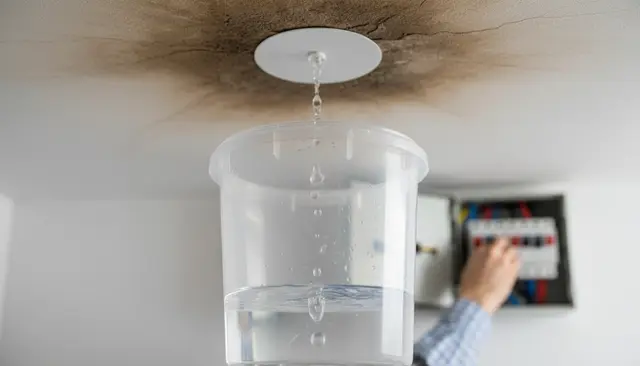
Finding water dripping from a light fitting or ceiling rose is one of the most alarming plumbing emergencies you can face. It's not just a leak; it's a serious electrical hazard that requires immediate, decisive action to prevent electric shock, extensive property damage, or even fire. This guide will walk you through the urgent steps you must take to ensure safety and mitigate damage.
Immediate Safety Steps: Your First Priority
When you see water near a light fitting, electrical safety is paramount. Do not delay – follow these steps without hesitation:
- Do NOT Touch the Light Fitting or Water: This is critical. Water conducts electricity, and touching a live fitting or the water dripping from it could result in a severe, potentially fatal, electric shock. Keep everyone, especially children and pets, away from the affected area.
- Turn Off the Mains Electricity IMMEDIATELY: Locate your consumer unit (fuse box), which is usually in a cupboard under the stairs, utility room, or near the front door. Find the main switch (often labelled 'Main Switch' or 'Isolator') and switch it to the 'OFF' position. If you can't find the main switch, switch off the individual circuit breaker for the affected area (e.g., 'Lighting' or the specific room) if you are certain which one it is. However, turning off the main switch is the safest option.
- Isolate the Circuit if Possible (Advanced): If you are comfortable and it's safe to do so after turning off the main switch, you can further isolate the specific lighting circuit by switching off its individual breaker. This is an extra precaution but not strictly necessary if the main switch is off.
- Contain the Water (Safely): Once the power is off and it's safe to approach, place buckets or towels beneath the dripping light fitting to collect the water and prevent further damage to flooring or furnishings. Avoid standing directly in any puddles.
- Alert Occupants: Inform everyone in the household about the situation and the fact that the electricity is off. Ensure they understand the hazard.
- Call a Qualified Professional: This is not a DIY repair. You need both an emergency plumber to find and fix the leak source and potentially an electrician to inspect the wiring once the leak is resolved. For urgent plumbing assistance, you can tell us your emergency and we'll connect you with a qualified local plumber fast.
Identifying the Source of the Leak
While waiting for professional help, you might be able to identify the likely source of the water, which can help the plumber diagnose the problem faster. Water always travels the path of least resistance, and light fittings often provide an easy channel through ceilings.
Common Culprits Above the Light Fitting:
- Bathroom or En-suite Above: This is the most frequent cause. Check for overflowing toilets, leaking baths, showers, sinks, or faulty pipework beneath the floorboards of the room above. A compromised seal around a shower tray or bath can allow water to seep through.
- Central Heating Pipes: Leaks from hot water pipes (flow and return to radiators) or cold water feed pipes running through the ceiling void can manifest as drips through light fittings.
- Roof Leaks: If the light fitting is on the top floor, a leaking roof, damaged tiles, flashing around chimneys, or a blocked gutter could be the cause, allowing water to penetrate the ceiling.
- Loft Space Issues: A burst pipe in the loft, a leaking cold water storage tank, or even condensation build-up in an unventilated loft can lead to water finding its way down.
- Appliance Leaks: Less common, but a washing machine or dishwasher on the floor above could have a leaking hose or drain, with water tracking through the floor.
Do not attempt to investigate the source if it puts you at risk of electric shock or falling. Leave this to the professionals.
What to Do While You Wait for a Plumber
Once you've completed the immediate safety steps and called for help, there are a few things you can do to prepare for the plumber's arrival and minimise further damage:
- Clear the Area: Move any furniture, rugs, or valuable items away from the leak to prevent them from getting wet.
- Ventilate: Open windows in the affected room to help with air circulation, especially if there's a significant amount of water. This can also help reduce humidity and potential mould growth later.
- Take Photos/Videos: Document the leak with your phone. This can be useful for your insurance claim and for the plumber to understand the extent of the issue.
- Gather Information: Think about when you first noticed the leak, if it's constant or intermittent, and if it worsens after using a specific appliance or fixture upstairs. This information will be invaluable to the plumber.
When to Call a Professional
In this scenario, a professional should be called immediately. There is no DIY fix for water leaking through a light fitting. You need a qualified emergency plumber to locate and repair the source of the leak and, potentially, a qualified electrician to inspect and certify the safety of your electrical wiring and fittings once the water issue is resolved. Ignoring this could lead to serious electrical faults or structural damage.
When faced with such an emergency, finding a reliable expert quickly is crucial. You can find qualified local plumbers through FixDelivered who are equipped to handle urgent situations like this.
Potential Costs for Emergency Plumbing and Repairs (2026 UK Guide)
The cost of resolving water through a light fitting can vary significantly depending on the complexity of the leak, the extent of damage, and your location in the UK. As a rough guide for 2026:
- Emergency Call-Out Fee: Typically ranges from £80 to £150. This covers the plumber's initial visit, assessment, and often the first hour of work. Many emergency plumbers charge a higher rate for evenings, weekends, and bank holidays.
- Hourly Rates: After the initial call-out, plumbers usually charge an hourly rate, which can be between £45 and £75 per hour, or a fixed price for specific repairs.
- Material Costs: This will depend on what needs replacing – a new pipe section, sealant, a toilet flush mechanism, etc.
- Damage Repair: If the ceiling plasterboard is damaged, or the electrical fitting needs replacing, these will be additional costs, potentially requiring a plasterer and an electrician. An electrician's inspection and repair could cost an additional £100-£300 depending on the work required.
Always ensure you get an upfront quote or a clear understanding of the pricing structure before work begins. FixDelivered aims to provide transparent pricing, allowing you to agree on the plumber's callout fee upfront.
Preventing Future Leaks
Once the immediate emergency is handled, consider these preventative measures:
- Regular Maintenance: Periodically check seals around baths, showers, and sinks. Look for signs of dampness or mould in bathrooms.
- Inspect Lofts: If safe to do so, occasionally check your loft for any signs of leaks from tanks or pipes, especially before winter.
- Roof Checks: Consider having your roof inspected every few years, particularly after strong winds or storms, to catch minor damage before it becomes a major leak.
- Professional Plumbing Check-ups: For older properties, a professional plumbing inspection every few years can identify potential weaknesses in pipework.
Conclusion
Water through a light fitting is an urgent situation that demands immediate attention to electrical safety. By following the steps outlined in this guide, you can minimise risk and prepare for the professionals. Remember, your safety is the absolute priority. When you need a qualified, local plumber fast, get a plumber now through FixDelivered. We simplify the process of finding reliable tradespeople for your plumbing emergencies, ensuring you get the help you need when it matters most. You can also learn more about how FixDelivered works and explore our other plumbing emergency guides for further advice.
Frequently asked questions
Is water leaking from a light fitting dangerous?
Yes, water leaking from a light fitting is extremely dangerous. It combines water and electricity, creating a severe risk of electric shock, electrical fire, and extensive property damage. Immediate action to cut power is essential.
What is the first thing I should do if water is dripping from a light fitting?
The absolute first thing you must do is turn off your mains electricity immediately at your consumer unit (fuse box). Do not touch the light fitting or the water. Once the power is off, you can safely approach to place buckets.
Who should I call for a water leak coming through a light?
You should call a qualified emergency plumber immediately to find and fix the source of the leak. It's also highly recommended to have a qualified electrician inspect the wiring and light fitting once the water issue is resolved to ensure electrical safety. FixDelivered can help you find local emergency plumbers quickly.
Need a plumber now? Tell us your emergency and FixDelivered will find and confirm an available local plumber near you, usually within the hour.
Written by the FixDelivered Team. Reviewed by Rupert Lowe, Editor. Last updated 2026-09-12.